
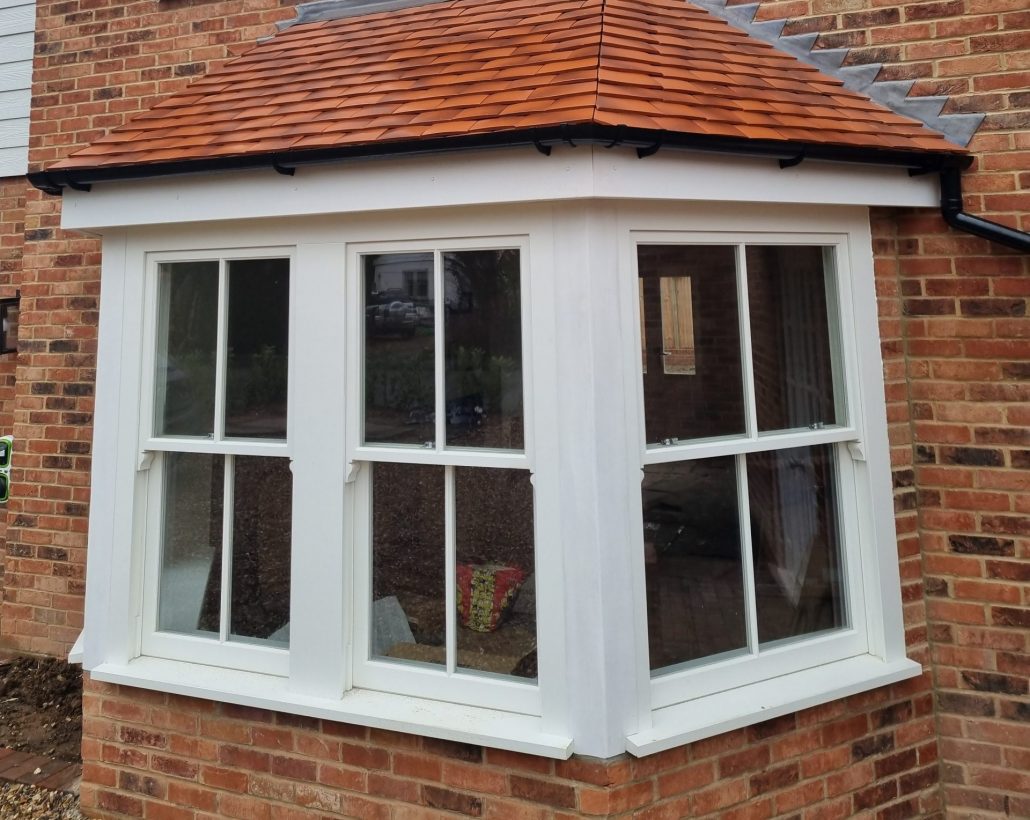
Timber Bay Windows: Types, Costs and Design Considerations
In this article, you’ll discover:
- The three main bay window types and their distinctive characteristics
- Realistic cost ranges for timber bay windows in 2026
- When planning permission is required — and when it isn’t
- Structural considerations that affect installation complexity
- How to choose the right bay style for your property
Introduction
Bay windows transform rooms. They flood interiors with light, create usable window seats or display areas, and add genuine architectural presence to otherwise ordinary facades. Done well, they’re one of the most impactful home improvements you can make.
But bay windows are also among the most complex window projects. They involve structural considerations, potential planning requirements, and significantly higher costs than standard flat windows. Getting the details wrong causes expensive problems.
We’ve manufactured timber windows for bay installations across the UK — from Victorian terrace replacements to contemporary new-builds. This guide covers what you need to know before committing: types, costs, planning requirements, and the structural realities that affect your project.
Bay Window Types: Canted, Box and Bow
The term “bay window” covers several distinct configurations. Understanding the differences helps you choose the right style and budget accurately.
Canted Bay Windows
The most common type. Canted bays have angled side panels — typically at 30° or 45° to the main wall. They create a faceted, geometric appearance that suits Victorian, Edwardian and many contemporary properties.
Canted bays are relatively straightforward to manufacture because they use flat glass panels meeting at angles. This keeps costs reasonable while still providing the light and space benefits that make bay windows appealing.
Typical angles: 30° or 45° (occasionally 60°)
Best for: Victorian terraces, Edwardian semis, traditional aesthetics
Cost range: £3,000-£5,000 for a standard three-panel bay
Box Bay Windows
Box bays project straight out from the wall with 90° corners. They’re geometrically simpler than canted bays and create a clean, squared-off appearance that suits Georgian properties and modern designs.
The straight lines make manufacturing easier, but the 90° corners require careful weatherproofing. Box bays often include a flat or low-pitched roof rather than a pitched covering.
Best for: Georgian properties, modern minimalist designs, situations requiring maximum interior depth
Cost range: £2,500-£4,000 for a standard three-panel bay
Bow Windows
Bow windows curve outward in a continuous arc. They’re the most elegant option — and the most expensive. The curved profile requires multiple narrow panels (typically 4-6) to approximate the curve, or genuinely curved glass at significant premium.
Bow windows suit grand Victorian and Edwardian properties where their sculptural quality matches existing architectural ambition. They’re rarely appropriate for modest terraces or contemporary designs.
Best for: Large Victorian properties, double-fronted Edwardian homes, statement installations
Cost range: £4,500-£7,000 for a standard bow window
Comparison Table
| Type | Appearance | Complexity | Cost Range | Best Application |
| Canted | Angled facets | Medium | £3,000-£5,000 | Victorian, Edwardian, most properties |
| Box | Square corners | Low-Medium | £2,500-£4,000 | Georgian, modern, maximum depth |
| Bow | Curved arc | High | £4,500-£7,000 | Grand Victorian, statement feature |
Cost Factors: What Affects Bay Window Pricing
Those price ranges are broad for good reason. Several factors push costs up or down significantly.
Size and Configuration
A small two-panel canted bay costs far less than a large five-panel bow window. Width, height, and the number of opening sashes all affect pricing. Fixed panels cost less than opening casements or sashes.
Timber Species
Engineered softwood represents the baseline. Hardwood options like meranti or oak add 30-70% to the frame cost. For bay windows, where frame costs represent a larger proportion of the total, species choice significantly affects the final price.
Glazing Specification
Double glazing with low-E glass and argon fill is standard. Triple glazing adds 15-25%. Acoustic glass, obscured glass for bathroom bays, or decorative leaded lights all affect pricing.
Structural Requirements
Replacing like-for-like is simpler than installing a new bay where none existed. New installations often require structural work — steel lintels, foundation modifications, roof construction — that adds thousands to project costs.
Installation Complexity
Bay window installation typically costs £400-£1,000 depending on access, scaffolding requirements, and internal making-good. Upper floor bays requiring scaffolding cost more than ground floor installations with good access.
Planning Permission: When Is It Required?
Planning requirements for bay windows depend on whether you’re replacing existing windows or creating new ones.
Replacing Existing Bay Windows
Generally permitted development — no planning application required. However, restrictions apply in:
- Conservation areas: May require planning approval for changes to front elevations
- Listed buildings: Listed Building Consent required for any external alterations
- Article 4 areas: Some councils remove permitted development rights
Even where planning isn’t required, replacement windows must comply with Building Regulations Part L (thermal performance) and typically require FENSA certification or local authority building control sign-off.
Installing New Bay Windows
New bay windows — adding a projection where none existed — usually require planning permission. You’re changing the building’s footprint and external appearance.
The application process typically takes 8-12 weeks. Pre-application advice from your local planning authority clarifies requirements before you commit.
Structural Considerations for New Bays
New bay installations involve structural engineering:
- Foundations: The bay needs support, often requiring concrete pads or cantilever brackets
- Lintels: Opening the wall requires adequate structural support above
- Roof: The bay needs weather protection — typically a pitched, hipped or flat roof
- Internal: Floor, ceiling and wall finishes need making good
Budget £2,000-£5,000 for structural works and finishing beyond the window cost itself.
Design Considerations
The right bay window complements your property. The wrong one looks awkward regardless of quality.
Matching Architectural Style
Victorian properties suit canted bays with period details — horns on sash windows, decorative glazing bars, traditional ironmongery.
Georgian properties suit box bays with slim glazing bars and minimal ornamentation.
Edwardian properties can accommodate either canted or bow configurations depending on the building’s existing character.
Contemporary properties work best with clean-lined box bays or restrained canted designs without historical pastiche.
Proportions and Scale
Bay windows should relate to the facade proportions. Too small looks mean; too large overwhelms. For replacement windows, matching the existing size is usually safest. For new installations, sketch options or use planning visualisation software before committing.
Window Configuration
Consider how the bay will function:
- Opening sashes: At least one opening panel for ventilation, typically in the centre or sides
- Seating: If you want a window seat, ensure adequate sill depth (typically 300-450mm internal projection)
- Curtains/blinds: Bay window curtain tracks and blinds are more complex than flat windows — factor this into your planning
Frequently Asked Questions
Do bay windows add value to a property?
Yes, generally. Bay windows increase both floor area and natural light — two factors that directly affect property valuations. Estate agents typically consider quality bay windows a selling point. The value added depends on property type and location, but well-designed bays are rarely negative. They’re particularly valued in Victorian and Edwardian properties where they represent authentic period features.
How long do timber bay windows last?
Lifespan depends on timber species and maintenance, identical to any timber window. Engineered softwood bays typically last 30-40 years with proper care, hardwood bays 40-60+ years. The bay structure itself — roof, supports, flashings — also requires periodic attention. Well-maintained Victorian timber bays routinely survive 100+ years.
Can I install a bay window myself?
Bay window installation is complex and typically requires professional fitting. The structural considerations, weatherproofing requirements, and precision needed for proper operation make DIY installation challenging. We supply windows only — installation should be carried out by experienced joiners or window installers who can ensure proper support, sealing and compliance with Building Regulations.
What’s the difference between a bay and a bow window?
Bay windows project outward with flat glass panels meeting at angles (canted) or corners (box). Bow windows curve outward in a continuous arc, requiring multiple narrow panels to create the curved profile. Bows are more expensive, more complex to manufacture, and suit grander properties. Bays are more versatile and cost-effective for most applications.
Do timber bay windows require more maintenance than flat windows?
Slightly. Bay windows have more joints, more horizontal surfaces where water can pool, and more complex geometry. Annual inspection should pay particular attention to the junction between bay roof and main wall, corner joints between panels, and horizontal sills. The timber maintenance itself — painting, touching up damage — follows the same cycle as any timber window.
Conclusion
Timber bay windows combine practical benefits — more light, more space — with genuine architectural impact. Canted bays suit most properties at accessible prices. Box bays offer Georgian authenticity or contemporary simplicity. Bow windows make statements for those with suitable properties and budgets.
The key to successful bay window projects is realistic planning. Understand the structural implications, check planning requirements early, and budget adequately for both windows and installation. Getting these fundamentals right means bay windows that enhance your home for decades.
At Timber Windows Direct, we manufacture bespoke timber bay windows in canted and box configurations — made to order in engineered softwood, meranti or oak. Request your free quote and let’s discuss your bay window project.


Leave a Reply
Want to join the discussion?Feel free to contribute!