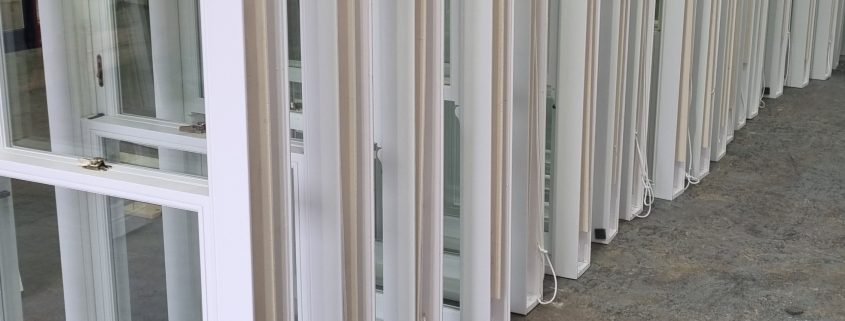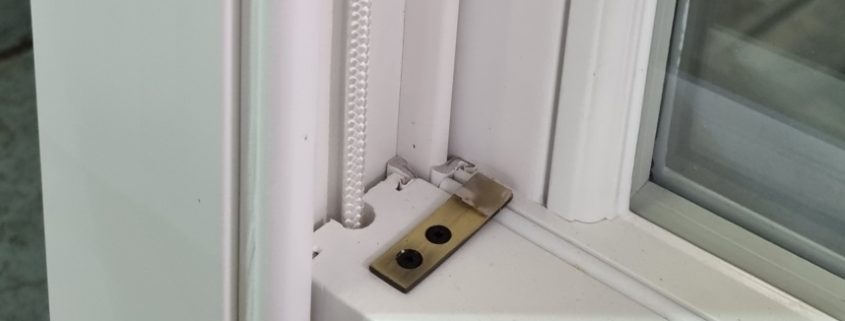
Sash Cord Replacement: Complete DIY Guide

In this article, you’ll discover:

  • How to tell when sash cords need replacing
  • Step-by-step replacement process with clear instructions
  • Cord types compared — waxed cotton, synthetic, and chain
  • Tools you’ll need (most you probably already own)
  • How to rebalance sash weights after replacement
  • When to hire a professional instead

Introduction

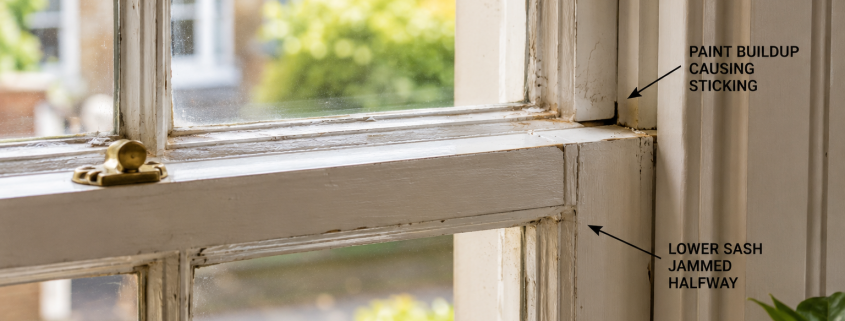
A broken sash cord is the most common reason timber sash windows stop working properly. One day the window slides smoothly; the next, the sash drops when you let go or won’t stay open at all.

The good news? Sash cord replacement is genuine DIY territory. You don’t need specialist tools, the materials cost under £20, and the whole job takes roughly 60-90 minutes per window once you know what you’re doing. The first one always takes longer.

We manufacture sash windows with modern spring balances and traditional weight systems. This guide covers traditional corded sash windows — the type found in most Victorian and Edwardian homes. If your windows use spring balances, the process is different.

Signs Your Sash Cords Need Replacing

Don’t wait for complete failure. These signs indicate cords are deteriorating:

The most obvious symptom is a sash that won’t stay open — it slides down under its own weight when you release it. You might also notice one side dropping faster than the other, creating a visible tilt. Frayed or visible cord damage in the weight pockets is another clear signal.

Sometimes you’ll hear the weight drop inside the box frame — a distinctive thud that means the cord has snapped completely. If one cord has failed, the others are likely close behind. We’d always recommend replacing all cords in a window at once rather than just the broken one.

What You’ll Need

Tools

Most of these are basic household items:

  • Stiff putty knife or chisel — for removing staff beads
  • Screwdriver — for accessing weight pockets
  • Pliers — for removing old nails and cord clips
  • Hammer — for refitting beads and nails
  • Scissors or sharp knife — for cutting cord
  • Pencil — for marking cord length
  • Small nails (25mm) — for securing cord to sash

Materials

  • Sash cord — enough for all four cords in the window (typically 3-4 metres per cord)
  • Optional: new staff beads — if originals are damaged during removal

Cord Types Compared

Not all sash cord is equal. Your choice affects how long the repair lasts.

Waxed Cotton Cord

The traditional choice and still the best for most applications. Pre-waxed cotton cord runs smoothly over pulleys, resists moisture, and lasts 15-25 years in normal conditions. It stretches slightly when new, then settles. Buy 8mm diameter for most domestic sash windows — check your existing cord if unsure.

Synthetic Cord (Nylon/Polyester)

Synthetic alternatives resist rot better than cotton and cost slightly less. They’re slippier over pulleys, which can feel different to operate. Some synthetics stretch more than cotton, potentially affecting balance over time. A reasonable choice for less exposed positions but cotton remains the professional’s preference.

Sash Chain

Metal chain eliminates cord failure entirely — it simply doesn’t wear out in the same way. However, chain is noisier, doesn’t flex as smoothly over pulleys, and requires pulley replacement (larger diameter wheels). It’s worth considering for windows where access is difficult and you want a permanent solution.

Our Recommendation

Waxed cotton cord, 8mm diameter. It’s what joiners have used for over a century and it works. Don’t overthink this.

Step-by-Step Replacement

Work methodically and the job is straightforward. Here’s the process.

Step 1: Remove the Staff Beads

Staff beads are the thin mouldings running vertically inside the window frame, holding the lower sash in place.

Score the paint line between the bead and the frame with a sharp knife — this prevents paint tearing. Starting from the middle of the bead, work a stiff putty knife or thin chisel behind it and gently lever outward. Work along the length, easing the bead away gradually. Don’t force it or you’ll split the bead.

Once one side is free, remove the opposite staff bead the same way. The bottom sash can now swing inward.

Step 2: Remove the Lower Sash

Swing the lower sash inward and disconnect the cords. The cords attach to the sash sides — usually nailed into a groove or held by a knotted cord in a channel. Cut the cords if they’re still intact (hold the free ends so the weights don’t drop) or simply pull out any remaining cord fragments.

Rest the sash somewhere safe. Now you can see the parting bead — the strip separating the two sash tracks.

Step 3: Remove the Parting Bead and Upper Sash

Pull the parting bead straight out from its groove — it’s usually a friction fit, not nailed. With the parting bead removed, the upper sash can come forward. Disconnect its cords the same way.

You now have both sashes removed and access to the weight pockets.

Step 4: Access the Weight Pockets

Look for small removable panels (pocket pieces) in the lower portion of each side of the box frame. These are usually held by a single screw or paint adhesion. Remove the pocket piece to reveal the sash weights inside.

Pull each weight out and note which position it came from — weights for the upper and lower sashes are different sizes. Untie or cut the old cord from each weight.

Step 5: Thread New Cord

This is the part that tests patience. Feed the new cord over the pulley at the top of the frame and down into the weight pocket. If the cord won’t feed through, a small lead weight (a “mouse”) tied to string helps — feed the string first, then use it to pull the cord through.

Tie the cord securely to the weight using a figure-of-eight knot. Replace the weight in the pocket.

Step 6: Set the Cord Length

Getting the length right matters for proper operation. With the weight resting on the bottom of the pocket, pull the cord taut over the pulley. Mark the cord level with the top of the sash groove.

Cut the cord about 50mm below this mark — this extra length accounts for the knot or nail fixing at the sash. The weight should hang roughly 75mm above the bottom of the pocket when the sash is fully closed.

Step 7: Attach Cord to Sashes

Nail or knot the cord into the groove on each side of the sash. Use 25mm nails at roughly 75mm intervals if nailing. Ensure the cord sits flat in the groove without bunching.

Repeat for all four cords (two per sash). Replace the upper sash first, then the parting bead, then the lower sash, then the staff beads.

Step 8: Test and Adjust

Both sashes should now slide smoothly and stay in any position you leave them. If a sash drops slowly, the cord may be slightly too long — the weight is bottoming out before the sash closes fully. If the sash won’t close completely, the cord is too short.

Minor adjustments are normal on the first attempt. Don’t be discouraged.

Rebalancing Sash Weights

While you have the weights out, it’s worth checking they’re correct.

Weight Matching

Each weight should be approximately half the weight of its corresponding sash (including glass). The lower sash weights are typically lighter than the upper sash weights because the upper sash is usually heavier (more glass, thicker frame).

If sashes don’t balance properly after cord replacement, the weights may have been swapped at some point. Weigh each sash and adjust accordingly — additional weight can be added by drilling a hole in the lead weight and pouring in extra lead, or you can source replacement weights.

When Weights Need Replacing

If your windows have been reglazing with thicker double-glazed units, the original weights won’t balance the heavier sashes. You’ll need heavier weights — or a conversation about whether spring balances might work better for your situation.

When to Hire a Professional

Sash cord replacement is manageable DIY, but some situations justify professional help.

Consider a professional if your windows have significant timber decay (the repair may need more than just new cords), the sash weights are missing or incorrect, the pulleys need replacing (common in older windows), or you’re dealing with very large or heavy sashes that are difficult to handle safely alone.

Professional sash cord replacement typically costs £150-250 per window, including cord, labour, and any minor adjustments. If multiple windows need attention, most joiners offer better rates for batch work.

For windows where the timber is beyond repair, replacement timber sash windows with modern spring balances eliminate cord maintenance entirely.

Frequently Asked Questions

How long does sash cord last?

Waxed cotton sash cord typically lasts 15-25 years depending on use and exposure. Windows opened daily wear cords faster than rarely used ones. Synthetic cord lasts slightly longer but can stretch more over time. Replacing all cords at once is more efficient than addressing them individually as they fail.

Can I replace sash cord without removing the sashes?

Not properly, no. You need to remove both sashes to access the weight pockets and correctly set cord length. Shortcuts exist — feeding cord through without removing sashes — but they rarely result in properly balanced windows and you can’t inspect the weights or pulleys.

What size sash cord do I need?

Standard domestic sash windows use 8mm diameter cord. Larger Georgian or Victorian sashes may need 10mm. Check your existing cord before ordering — or measure the pulley groove width. Too-thin cord wears faster; too-thick cord won’t run smoothly over the pulleys.

Should I replace all cords at once?

Yes. If one cord has failed, the others are the same age and likely close behind. Replacing all four cords takes only marginally longer than doing one, and you avoid repeating the disassembly process when the next cord fails months later.

Is it worth converting to spring balances?

Spring balances eliminate cord maintenance entirely and can accommodate heavier double-glazed sashes. They’re worth considering when replacing windows or carrying out major sash window restoration. For routine cord replacement on otherwise sound windows, traditional weights remain perfectly effective.

Conclusion

Sash cord replacement is satisfying DIY — the kind of repair that produces an immediately noticeable improvement. A window that’s been dropping or sticking for months suddenly slides like it should.

Take your time on the first window, replace all cords at once, and use quality waxed cotton cord. The whole job costs under £20 in materials and saves you £150-250 per window in professional fees.

If your sash windows need more than new cords — or you’re considering replacement — get in touch for a free quote on bespoke timber sash windows with either traditional weights or modern spring balances.

Flush Casement Windows: Traditional Style for Period Properties

In this article, you’ll discover:

  • What makes flush casement windows different from standard casements
  • Why conservation officers specifically require flush designs
  • Cost premium versus standard casement windows (and whether it’s justified)
  • Hardware and ironmongery options for authentic period styling
  • Which timber species suit flush casement construction
  • How to specify flush casements for Building Regulations compliance

Introduction

The difference between a flush casement and a standard stormproof casement is subtle — roughly 15mm of timber. But that small detail determines whether your windows look authentically period or obviously modern.

In a flush casement, the opening sash sits level with the outer frame when closed. No overlap, no stepped joint, no shadow line. The result is a clean, flat facade that defined window design from the Georgian era through to the early twentieth century.

It’s not just an aesthetic preference. Conservation officers in many areas specifically require flush casements for replacement windows in period properties. Getting this wrong means a refused application and wasted money.

We manufacture bespoke flush casement windows in engineered softwood, meranti and oak. This guide explains what makes them distinctive, when they’re required, and how to specify them correctly.

What Makes Flush Casements Different?

The distinction is straightforward but important.

Standard Stormproof Casements

In a stormproof casement, the sash overlaps the frame when closed. The sash sits proud — projecting forward from the frame face. This creates a stepped joint that sheds rain effectively and produces visible shadow lines on the facade.

Stormproof profiles developed during the twentieth century. They’re practical, weatherproof, and suit post-war housing, cottages, and contemporary designs. But they’re historically wrong for Georgian, Victorian, and Edwardian properties.

Flush Casement Design

In a flush casement, the sash closes into a rebate so its front face aligns exactly with the frame. From outside, the window presents a single flat plane — frame and sash on the same level.

This is how casement windows were built before mass production changed everything. Every pre-Victorian casement you’ll find in a period property uses flush construction. The design requires more precision in manufacture — tolerances are tighter because there’s no overlap to hide imperfections.

Why the Difference Matters

On a Georgian townhouse or Victorian villa, stormproof casements look wrong. The projecting sash profile didn’t exist when these buildings were designed. Conservation officers know this, architects know this, and increasingly, homeowners notice too.

The visual impact is significant. A terrace of period houses where one property has stormproof casements stands out immediately — and not in a good way.

Conservation Areas and Planning Requirements

Flush casements aren’t just a style preference in many locations — they’re a planning requirement.

When Flush Design Is Required

Conservation officers typically require flush casements for:

  • Listed buildings — Grade I, II* and II listings almost always demand flush profiles
  • Conservation areas with Article 4 directions — where permitted development rights are removed
  • Properties visible from public highways in designated conservation areas
  • Period buildings where original windows were demonstrably flush design

The requirement stems from a simple principle: replacement windows should match the character of what was originally there. If the originals were flush, replacements should be too.

What Officers Actually Assess

Planning applications for window replacement get scrutinised on specific details:

  • Profile depth — flush alignment, not projecting sashes
  • Glazing bar pattern — matching original configurations
  • Materialtimber is almost always expected over uPVC
  • Opening method — matching original (side-hung, top-hung)
  • Ironmongery — traditional styles, not modern fittings

Getting the profile wrong is one of the most common reasons for refusal. Officers can — and do — require removal of incorrectly specified windows after installation.

Pre-Application Advice

Before committing to any specification, contact your local conservation officer for pre-application advice. It’s free, informal, and saves expensive mistakes. Most officers are helpful when you demonstrate willingness to get things right.

Cost: Flush vs Standard Casement

Flush casements carry a premium over standard stormproof casements. Here’s what that looks like in practice.

The 15-20% Premium

Expect flush casements to cost roughly 15-20% more than equivalent stormproof casements. For a typical three-bedroom Victorian terrace needing 6-8 windows, that translates to approximately £600-1,500 additional cost across the project.

The premium reflects tighter manufacturing tolerances, more complex weatherproofing (without the overlap, weather seals work harder), specialist hardware, and higher finishing requirements — imperfections show more on a flat-plane window.

Is the Premium Justified?

For period properties — particularly listed buildings and those in conservation areas — the premium isn’t optional. You’ll pay it because planning requires it.

Even where not required, flush casements often represent good value for period homes. The visual improvement is substantial, and authentic-looking windows add measurable value to period properties. Estate agents consistently report that sympathetic fenestration matters to buyers of character homes.

Where Standard Casements Are Fine

Don’t pay the flush premium where it isn’t needed. Post-war housing, contemporary builds, and properties with no period character gain nothing from flush profiles. Standard stormproof casements are perfectly appropriate — and more cost-effective.

Hardware and Ironmongery

Hardware choice makes or breaks the period authenticity of flush casement windows.

Hinge Options

Flush casements use different hinge types than stormproof windows. Butt hinges are the traditional choice — visible when the window is open, period-appropriate, and what conservation officers expect. Cranked hinges allow the sash to clear the frame when opening. Concealed hinges offer a modern alternative but lack authenticity.

For conservation area applications, butt hinges are usually the safest specification.

Handle Styles

Traditional flush casement handles include cockspur handles (classic for painted flush casements), espagnolette handles (operating multi-point locking for modern security), and peg stays for holding sashes open. Black antique iron, pewter, and polished brass suit most period properties. Avoid satin chrome and white plastic — both read as modern regardless of handle style.

Timber Species for Flush Casements

The timber choice affects both appearance and long-term performance.

Engineered Softwood

Engineered softwood offers excellent stability — important for flush casements where tight tolerances mean any warping shows immediately. Laminated construction resists movement better than solid timber in most conditions. Lifespan of 30-40 years with proper maintenance. The most cost-effective option for painted finishes.

Meranti

Meranti hardwood provides natural durability (40-50 years) and fine grain that takes stain and paint beautifully. Its dimensional stability suits the precision requirements of flush construction. A strong middle-ground choice.

Oak

The premium choice for period properties where natural timber character is desired. Oak’s visible grain and natural colour complement Georgian and Victorian architecture beautifully. Lifespan of 60+ years. Oak flush casements can be left natural — the only timber option where an unpainted finish looks genuinely period-appropriate.

Thermal Performance and Weatherproofing

Flush casements must meet the same Building Regulations as any replacement window.

Building Regulations Part L requires a maximum U-value of 1.4 W/m²K. Modern flush casements comfortably achieve this with standard double glazing — typical performance sits between 1.2-1.4 W/m²K.

The flush profile creates a different weatherproofing challenge. Without the overlapping sash, weather seals carry more responsibility. Quality flush casements use perimeter compression seals, drainage channels, and precise machining to achieve identical weather resistance to stormproof designs. Budget manufacture is where problems appear — this isn’t a specification to economise on.

Trickle vents can be incorporated into flush casement frames, meeting Part F requirements (8000mm² per habitable room) without compromising the clean facade.

Frequently Asked Questions

What is the difference between flush and stormproof casement windows?

In a flush casement, the opening sash sits level with the outer frame — creating a flat, clean facade. In a stormproof casement, the sash overlaps the frame, projecting forward. Flush casements are historically correct for pre-twentieth-century properties, while stormproof designs are a more modern development suited to cottages and post-war housing.

Do conservation areas always require flush casement windows?

Not always, but frequently. Properties with Article 4 directions in conservation areas typically require flush casements if the originals were flush design. Listed buildings almost always require them. Contact your local conservation officer for specific requirements before specifying — pre-application advice is free.

Are flush casement windows more expensive?

Yes — typically 15-20% more than equivalent stormproof casements. The premium reflects tighter manufacturing tolerances, specialist hardware, and more complex weatherproofing. For a typical project of 6-8 windows, expect roughly £600-1,500 additional cost.

Can flush casement windows be double glazed?

Absolutely. Modern flush casements incorporate double or triple glazing meeting Building Regulations Part L (U-value 1.4 W/m²K maximum). The traditional external appearance is maintained while delivering contemporary thermal performance. There’s no energy efficiency compromise.

How long do flush casement windows last?

Lifespan depends on timber species: engineered softwood 30-40 years, meranti 40-50 years, oak 60+ years. Proper maintenance — repainting or re-oiling on the manufacturer’s recommended cycle — is essential. Factory-applied microporous finishes typically need refreshing every 8-12 years.

Conclusion

Flush casement windows are the correct choice for Georgian, Victorian, and Edwardian properties — and often the only choice conservation officers will accept. The 15-20% premium over standard casements reflects genuine manufacturing complexity, not marketing markup.

Specify the right timber species for your situation, choose historically appropriate ironmongery, and ensure the manufacturer can achieve the tight tolerances flush construction demands. Get these details right and you’ll have windows that look authentically period while delivering modern thermal performance.

At Timber Windows Direct, we manufacture bespoke flush casement windows in engineered softwood, meranti, and oak — built to your exact specifications. Request your free quote and let’s discuss what your period property needs.

Timber Windows

How Long Do Timber Windows Last?

In this article, you’ll discover:

  • Realistic lifespan expectations by timber species
  • The factors that most affect window longevity
  • How timber compares to uPVC and aluminium
  • What you can do to maximise window life

Introduction

“How long will these windows actually last?” It’s the question behind every window investment — and for timber windows, the answer is genuinely impressive.

Properly maintained timber windows routinely outlast the people who install them. Victorian sash windows still functioning after 120+ years aren’t rare museum pieces — they’re working windows in homes across the UK. Modern timber windows, built with better materials and manufacturing, can match or exceed that longevity.

But lifespan depends heavily on timber species, maintenance quality, and exposure conditions. Here’s what you can realistically expect.

Lifespan by Timber Species

Different timbers age differently. Here’s what the evidence shows.

Hardwood Lifespans

Oak: 60-100+ years. The benchmark for longevity. Oak’s natural durability (EN 350 Class 2) means frames resist decay even with imperfect maintenance. Many Georgian and Victorian oak windows remain serviceable today.

Accoya: 50-60+ years. Modified softwood achieving Class 1 durability. Manufacturers offer 50-year warranties backed by accelerated weathering tests. Real-world track record is still developing, but lab results are exceptional.

Meranti: 40-50 years. A practical middle ground — hardwood durability at accessible pricing. Properly finished and maintained, meranti delivers decades of reliable service.

Softwood Lifespans

Engineered softwood: 30-40 years. Laminated construction provides excellent dimensional stability. With proper maintenance, engineered pine or redwood frames perform reliably for decades.

Solid softwood: 25-35 years. More prone to movement and defects than engineered alternatives. Still viable but requires more attentive maintenance.

Lifespan Comparison Table

Timber TypeTypical LifespanDurability ClassMaintenance Interval
Oak60-100+ years212-15 years
Accoya50-60+ years110-15 years
Meranti40-50 years2-310-12 years
Engineered softwood30-40 years4 (treated to 3)8-10 years
Solid softwood25-35 years4 (treated)6-8 years

Factors Affecting Window Longevity

Species alone doesn’t determine lifespan. These factors matter equally.

Maintenance Quality

The single biggest variable. A well-maintained softwood window outlasts a neglected hardwood one. The key maintenance requirements:

  • Regular inspection — catch problems early
  • Prompt touch-up — don’t let bare timber become exposed
  • Periodic redecorationfull repaint every 8-15 years
  • Hardware care — lubricate locks, replace weatherstripping

Skipping maintenance doesn’t just shorten lifespan — it accelerates it dramatically. Water ingress into unprotected timber can cause failure in just a few years.

Exposure and Location

Where your windows face affects how long they last:

  • South-facing: Maximum UV and weather exposure, faster finish degradation
  • North-facing: Less UV, often longer between redecorations
  • Sheltered: Protected by overhangs, porches, trees — extended lifespan
  • Exposed: Coastal, hilltop, no shelter — shortened intervals, harder conditions

Coastal properties face salt exposure that accelerates deterioration. Accoya and hardwoods cope better than softwood in these conditions.

Finish Quality

Factory-applied microporous finishes outperform site-applied paint. They’re more consistent, better bonded, and regulate moisture transfer more effectively.

Quality finishes extend the interval between maintenance cycles and protect the timber better during that interval.

Manufacturing Quality

How windows are made affects how long they last:

  • Proper joinery — mortise and tenon outlasts dowel joints
  • Appropriate seasoning — timber dried to correct moisture content
  • Design details — adequate drainage, sensible weathering profiles

Budget windows often fail at joints first — poor glue bonds, inadequate timber depth, or stress concentrations from inferior joinery.

Timber vs uPVC vs Aluminium

How does timber compare to alternatives?

uPVC Lifespan

Typical lifespan: 20-25 years

uPVC windows don’t rot, but they do degrade:

  • Plasticisers leach out over time, making frames brittle
  • UV exposure causes yellowing and chalking
  • Mechanisms wear out and can’t easily be replaced
  • Frame distortion develops over years

When uPVC fails, replacement is the only option. You can’t repair or refinish it meaningfully.

Aluminium Lifespan

Typical lifespan: 30-45 years

Aluminium is durable but not immune to age:

  • Powder coating degrades over 20-30 years
  • Thermal breaks can fail
  • Mechanisms and seals wear out
  • Repainting is possible but expensive

Aluminium is more repairable than uPVC but less than timber.

The Comparison

MaterialTypical LifespanRepairableEnd of Life
Timber (softwood)30-40 yearsYes, fullyRecycle/biofuel
Timber (hardwood)40-100 yearsYes, fullyRecycle/biofuel
uPVC20-25 yearsLimitedLandfill/recycling
Aluminium30-45 yearsPartialRecycle

Timber’s key advantage isn’t just lifespan — it’s that timber windows can be repaired and restored indefinitely. A 100-year-old timber sash can be overhauled to like-new condition; a 25-year-old uPVC window goes in a skip.

Maximising Your Window Lifespan

Practical steps to get the most from timber windows.

Inspect annually — Look for paint cracking, especially on south-facing sills and lower rails. Catch problems before water penetrates.

Touch up promptly — A 30-minute touch-up prevents major repairs. Keep matching paint for quick fixes.

Clean sensibly — Mild soapy water, soft cloth. Avoid pressure washers and harsh chemicals near seals.

Maintain hardware — Light oil on hinges annually. Replace worn weatherstripping (inexpensive and easy).

Don’t delay redecorating — When the finish looks tired, schedule redecoration. Waiting costs more long-term.

Frequently Asked Questions

How long do timber windows last compared to uPVC?

Timber windows typically last 30-100+ years depending on species, compared to 20-25 years for uPVC. More importantly, timber can be repaired and restored indefinitely, while uPVC must be replaced when it fails. Over a building’s lifetime, one set of maintained timber windows often outlasts two or three sets of uPVC.

What timber lasts longest for windows?

Oak offers maximum longevity at 60-100+ years, followed by accoya (50-60+ years with manufacturer warranties), meranti (40-50 years), and engineered softwood (30-40 years). All figures assume proper maintenance — any timber fails quickly if neglected.

Do timber windows need more maintenance than uPVC?

Yes, timber requires periodic repainting (every 8-15 years depending on species and exposure). However, this maintenance enables repair and extends lifespan indefinitely. uPVC needs less routine attention but cannot be meaningfully repaired — replacement is the only option when it fails.

How do I know when timber windows need replacing?

Signs include: extensive rot that’s compromised structural integrity, multiple joint failures, frames so distorted that sashes don’t operate properly, or repeated repair costs exceeding replacement value. Well-maintained timber windows rarely reach this point within a normal ownership period.

Conclusion

Timber windows are a long-term investment that delivers. Hardwood frames routinely last 60-100+ years; even engineered softwood provides 30-40 years of reliable service. The key variable is maintenance — consistent care extends lifespan dramatically, while neglect shortens it regardless of timber species.

Compared to uPVC’s 20-25 year lifespan and inability to be repaired, timber offers genuinely superior longevity. The maintenance trade-off is real but manageable — and it’s what makes timber windows sustainable for the long term.

At Timber Windows Direct, we manufacture timber windows designed for decades of service. Request your free quote and let’s discuss the specification that suits your longevity expectations.

wooden window lock

How Secure Are Timber Windows? A Modern Security Guide

In this article, you’ll discover:

  • Why modern timber windows can be more secure than uPVC
  • Multi-point locking systems and how they work
  • PAS 24 security standards and what they mean
  • Insurance requirements for window security
  • The hardware that makes timber windows genuinely secure

Introduction

“But aren’t timber windows easier to break into?” It’s a question rooted in outdated assumptions. People picture Victorian sash windows with single latches, easily forced with a screwdriver. Modern timber windows bear no resemblance to that image.

Today’s timber windows incorporate the same advanced locking systems as any material — multi-point locks, shootbolts, laminated glass, key-locking handles. The timber frame itself is arguably harder to compromise than uPVC, which can flex and distort under pressure.

We manufacture timber windows to the highest security specifications, including PAS 24 certification where required. This guide explains what modern timber window security actually involves and how to ensure your windows meet both practical security needs and insurance requirements.

Multi-Point Locking Systems

The days of single-point locks are long gone. Modern timber windows use sophisticated multi-point systems.

How Multi-Point Locks Work

When you turn the handle, multiple locking points engage simultaneously around the frame perimeter. A typical system includes:

  • Hooks or bolts at multiple positions (typically 3-7 points)
  • Shootbolts extending into the frame head and sill
  • Central latch engaging the keep in the frame
  • Compression seals pulled tight by the locking action

The result: force applied at any single point must overcome resistance distributed across the entire frame. Breaking in means defeating multiple locks simultaneously — dramatically harder than forcing one.

Lock Point Configurations

ConfigurationSecurity LevelTypical Application
3-pointGoodUpper floor windows, low-risk areas
5-pointVery goodGround floor, standard residential
7-pointExcellentHigh-risk locations, enhanced security

For most ground floor applications, 5-point locking provides excellent security. 7-point systems suit properties in higher-risk areas or where maximum security is required.

PAS 24: The Security Standard Explained

PAS 24 is the British security standard for windows and doors. Understanding it helps you specify appropriately.

What PAS 24 Means

PAS 24 (now formally BS EN PAS 24) is a publicly available specification for enhanced security performance. Windows certified to PAS 24 have passed rigorous testing including:

  • Manual attack tests — attempts to force entry using common burglary tools
  • Cylinder security tests — resistance to lock snapping, picking, drilling
  • Hardware durability tests — locking mechanisms tested for reliability

A PAS 24 certified window isn’t just fitted with good locks — the entire window (frame, glazing, hardware) has been tested as a complete system.

When PAS 24 Is Required

Building Regulations Approved Document Q requires “secure windows” for new builds and certain conversions. PAS 24 certification is the simplest way to demonstrate compliance.

For replacement windows in existing homes, PAS 24 isn’t legally required — but insurers increasingly expect it for ground floor and accessible windows.

PAS 24 and Timber Windows

Timber windows achieve PAS 24 certification readily. The inherent strength of timber frames — particularly hardwood — provides excellent resistance to forced entry. Combined with appropriate hardware, timber meets and exceeds the standard.

Glazing Security Options

The glass matters as much as the locks.

Laminated Glass

Laminated glass consists of two or more glass panes bonded with a plastic interlayer (typically PVB). When broken, fragments adhere to the interlayer rather than shattering.

Security benefits:

  • Penetration resistance — breaking through requires sustained effort
  • Noise deterrent — repeated impacts attract attention
  • Fragment retention — no clean entry through broken glass

For ground floor windows, laminated glass significantly improves security. It’s also required for PAS 24 certification in most configurations.

Toughened vs Laminated

Toughened glass is stronger than standard glass but shatters completely when broken — creating easy access once compromised. For security, laminated outperforms toughened. For safety (preventing injury from broken glass), both work.

The ideal security specification: laminated glass on the outer pane, toughened on the inner.

Hardware and Ironmongery

Quality hardware transforms timber window security.

Key-Locking Handles

Handles that lock with a removable key prevent operation even if an intruder breaks glass and reaches inside. Essential for:

  • Ground floor windows
  • Windows accessible from flat roofs or balconies
  • Any window within reach of a door or other opening

Key-locking handles are standard on most modern timber windows. Ensure keys are removed when the property is unoccupied.

Shootbolts

Shootbolts extend from the opening sash into the frame head and sill, providing locking points where multi-point systems don’t reach. They’re particularly valuable on:

  • Sash windows — locking the meeting rail
  • Casements — extending into head and sill
  • Large windows — additional security for wider spans

Hinge Security

Modern friction stays and hinges include security features:

  • Restricted opening — prevents removal when window is ajar
  • Anti-lift devices — stops sash being lifted from hinges
  • Concealed fixings — no external access to hinge screws

Timber vs uPVC Security

How does timber actually compare?

Frame Strength

Timber frames are inherently rigid. uPVC frames can flex under sustained pressure, potentially allowing enough distortion to disengage locks. This isn’t theoretical — police reports note uPVC frame manipulation as a known entry method.

Hardwood timber frames — particularly oak and accoya — offer superior rigidity. Even engineered softwood outperforms uPVC for resistance to distortion.

Hardware Compatibility

Timber accepts all hardware types securely. Screws bite firmly into solid timber; fixings hold under stress. uPVC requires steel reinforcement for secure hardware mounting — when that reinforcement is inadequate or absent, locks can pull away under force.

The Verdict

With equivalent hardware, timber windows are at least as secure as uPVC — and arguably more so due to superior frame rigidity and hardware retention. The “timber is less secure” perception reflects historic windows, not modern manufacturing.

Insurance Requirements

Your insurer may specify minimum security standards.

Typical Requirements

Most household insurers require:

  • BS 7950 (or equivalent) locks — most multi-point systems qualify
  • Key-operated locks on accessible windows — ground floor, near flat roofs
  • Locks engaged when property unoccupied — obvious but often specified

Some insurers now require or incentivise PAS 24 windows for new installations or claims following break-ins.

Checking Your Policy

Before specifying windows, check your insurance policy’s security requirements. Look for:

  • Named standards (BS 7950, PAS 24)
  • Specific hardware requirements
  • Accessible window definitions
  • Any new-for-old replacement conditions

We can advise on hardware specifications to meet common insurance requirements.

Frequently Asked Questions

Are timber windows secure enough for ground floor use?

Absolutely. Modern timber windows with multi-point locking, key-operated handles, and laminated glass meet or exceed security standards for ground floor installation. PAS 24 certified timber windows pass the same rigorous testing as any material. The timber frame’s rigidity actually provides advantages over uPVC in resisting forced entry.

What is PAS 24 certification?

PAS 24 is the British standard for enhanced security windows and doors. Certified products have passed manual attack testing, lock manipulation tests, and durability assessments. It’s required for new builds under Building Regulations Approved Document Q and increasingly expected by insurers. Timber windows achieve PAS 24 certification readily.

Do I need laminated glass for security?

For ground floor and accessible windows, laminated glass significantly improves security by resisting penetration even when cracked. It’s required for PAS 24 certification in most configurations. Upper floor windows can use standard double glazing unless specific security concerns exist.

Will my insurance cover timber windows?

Yes — insurers don’t discriminate by frame material. They care about locking systems and glazing specifications. Ensure your timber windows meet any security standards specified in your policy (typically BS 7950 locks minimum). PAS 24 certification satisfies most insurance requirements automatically.

How do timber window locks compare to uPVC?

Modern timber and uPVC windows use identical locking mechanisms — the same multi-point systems, shootbolts, and handles. The difference is how securely the frame holds that hardware. Timber’s rigidity and screw-holding capacity often exceeds uPVC, particularly with hardwood frames.

Conclusion

Modern timber windows are highly secure — matching or exceeding uPVC and aluminium alternatives. Multi-point locking systems, laminated glass, key-operated handles, and PAS 24 certification provide comprehensive protection against forced entry.

The timber frame itself contributes to security: its rigidity resists distortion, and solid wood holds hardware fixings firmly under stress. The outdated perception of vulnerable timber windows reflects historic designs, not contemporary manufacturing.

At Timber Windows Direct, we manufacture timber windows with security hardware to your specification — from standard 5-point locking to full PAS 24 certification. Request your free quote and let’s discuss the security specification that suits your property.

Timber Frame Windows: Construction, Materials and Performance

In this article, you’ll discover:

  • How timber window frames are constructed — the joinery that matters
  • Which timber species work best for window frames
  • Why frame depth affects thermal performance
  • How to match frame specification to your property’s needs
  • Maintenance requirements by frame type
  • What separates quality frames from budget alternatives

Introduction

The frame is where window quality lives or dies. Two windows can use identical glass, identical hardware, and look similar from across the room — yet perform completely differently because of frame construction and materials.

Most homeowners focus on glazing specifications and opening styles. Those matter. But the frame determines how long your windows last, how well they insulate, how smoothly they operate, and whether they’ll still work properly in twenty years.

We’ve manufactured timber windows for over a decade, and frame quality is where we see the biggest variation between suppliers. This guide explains what actually matters in timber frame construction — the decisions that affect performance, longevity, and value.

Frame Construction Methods

How timber frames are joined determines their strength and longevity.

Mortise and Tenon Joinery

The gold standard for timber window frames. A mortise (rectangular hole) is cut into one piece; a tenon (shaped projection) on another piece fits precisely into it. The joint is glued and often pinned.

Why it matters:

  • Mechanical strength — the joint resists stress in multiple directions
  • Large glue surface — maximises adhesive bond
  • Historic precedent — proven over centuries of use
  • Repairability — joints can be disassembled for restoration

Mortise and tenon joints require skill and precision. They’re slower to produce than simpler alternatives, which is why budget manufacturers avoid them.

Combed or Finger Joints

Interlocking “fingers” cut into both pieces create a strong glued joint. Commonly used for:

  • Joining shorter timber pieces into longer lengths
  • Frame corner construction in some systems
  • Engineered timber production

Combed joints are strong in tension but less robust than mortise and tenon under racking (twisting) stress. They’re acceptable for engineered timber sections but shouldn’t replace mortise and tenon at critical frame corners.

Dowel Joints

Cylindrical dowels align and reinforce glued butt joints. Faster to produce than mortise and tenon, with reasonable strength.

Dowel joints work adequately but lack the mechanical robustness of traditional joinery. They’re common in budget timber windows and standard in uPVC (where internal reinforcement compensates).

What to Specify

For premium timber windows, insist on mortise and tenon joinery at frame corners and where sashes meet frames. Combed joints are acceptable within engineered timber sections. Avoid dowel-only construction for external joinery.

Timber Species for Frames

Frame timber affects durability, appearance, maintenance requirements, and cost.

Engineered Softwood

Engineered softwood — typically Scots pine or redwood — laminated from multiple layers with alternating grain direction. This is the modern industry standard for good reason.

Advantages:

  • Excellent dimensional stability (minimal warping/shrinking)
  • Natural defects removed during manufacturing
  • Consistent quality batch to batch
  • Good paint adhesion
  • Cost-effective
  • 30-40 year lifespan with maintenance

Best for: Most residential applications, painted finishes, cost-conscious projects.

Oak

The traditional British hardwood. European oak (Quercus robur) offers exceptional durability and distinctive appearance.

Advantages:

  • Natural durability class 2 (EN 350)
  • 60-100 year potential lifespan
  • Distinctive grain and character
  • Can be left natural to silver, or finished
  • Heritage authenticity

Considerations:

  • Premium pricing (50-70% more than softwood)
  • Heavier — affects hardware specification
  • Tannin can stain masonry if not properly finished

Best for: Listed buildings, heritage restoration, maximum longevity, natural finish applications.

Accoya

Modified softwood (typically Radiata pine) with acetylation treatment achieving Class 1 durability.

Advantages:

  • Exceptional dimensional stability
  • 50+ year manufacturer warranty
  • Sustainable production from FSC plantations
  • Excellent for exposed locations
  • Resists fungal attack without toxic preservatives

Considerations:

  • Premium pricing similar to oak
  • Less character than natural hardwoods
  • Relatively new (long-term track record still developing)

Best for: Coastal properties, exposed locations, sustainability-focused projects, contemporary designs.

Meranti

Tropical hardwood from Southeast Asia. A practical middle-ground between softwood and premium hardwoods.

Advantages:

  • Natural durability class 2-3
  • 40-50 year potential lifespan
  • Stable and machines well
  • Accepts finishes beautifully
  • More affordable than oak

Considerations:

  • Sustainability requires careful sourcing (FSC certification essential)
  • Less character than oak

Best for: Conservation areas, mid-range budgets, clients wanting hardwood performance at accessible cost.

Species Comparison Table

SpeciesDurability ClassTypical LifespanRelative CostBest Application
Engineered softwood4 (treated to 3)30-40 years££General residential
Meranti2-340-50 years£££Conservation areas
Oak260-100 years££££Heritage, maximum lifespan
Accoya150+ years££££Coastal, exposed, sustainability

Frame Depth and Thermal Performance

Frame depth directly affects what glazing you can fit — and therefore thermal performance.

Why Depth Matters

Glazing units have specific thickness requirements:

  • Double glazing: 24-28mm typical
  • Triple glazing: 36-44mm typical

The frame must accommodate the glazing unit plus adequate rebate depth for seals and beading. Insufficient frame depth means:

  • Limited glazing options
  • Potential seal compression issues
  • Reduced weatherproofing margins

Standard Frame Depths

Frame DepthGlazing CapacityTypical Application
56-58mmDouble onlyBudget windows, slim profiles
68mmDouble comfortably, triple possibleStandard quality timber
78-90mmTriple comfortable, maximum insulationPremium, Passivhaus

For most applications, 68mm frames offer the best balance — accommodating high-performance double glazing easily and triple glazing where required.

Thermal Performance by Frame

The frame itself contributes to overall window U-value. Timber is a natural insulator with inherently low thermal conductivity (~0.13 W/mK) compared to:

  • uPVC: ~0.17 W/mK
  • Aluminium: ~160 W/mK (requires thermal breaks)

Deeper timber frames provide more insulation material between inside and outside. Combined with appropriate glazing, this achieves excellent whole-window U-values:

  • 68mm frame + quality double glazing: 1.2-1.4 W/m²K
  • 78mm frame + triple glazing: 0.8-1.0 W/m²K

How Frames Affect Window Operation

Frame construction influences how smoothly windows operate — and for how long.

Sash Windows

Sash window frames must maintain precise clearances for smooth sliding action. Key considerations:

  • Box frame construction — houses weights or spiral balances
  • Staff and parting beads — guide sash movement
  • Pulley stiles — support the sliding mechanism
  • Meeting rail alignment — sashes must meet accurately for security and weatherproofing

Quality frame construction maintains these relationships over decades. Poor construction leads to binding, rattling, and draughts as timber moves.

Casement Windows

Casement frames support hinged sashes. Key considerations:

  • Hinge reinforcement — frame must support sash weight at hinge points
  • Keep alignment — locking points must engage accurately
  • Rebate depth — affects weatherstripping compression
  • Drainage — frame design must shed water effectively

Dimensional Stability

All timber moves with moisture changes. Quality frames minimise this through:

  • Engineered construction — laminated timber moves less than solid
  • Appropriate seasoning — timber dried to correct moisture content before manufacture
  • Quality finishingmicroporous paint systems regulate moisture exchange
  • Design details — adequate clearances accommodate minor movement

Frame Maintenance Requirements

Maintenance needs vary significantly by frame type and finish.

Painted Softwood Frames

Most common maintenance profile:

  • Annual: Visual inspection, clean with mild soapy water
  • Every 8-12 years: Full redecoration (sand, prime bare areas, two coats)
  • As needed: Touch up chips and scratches, replace weatherstripping

Factory-applied microporous finishes last longer than site-applied paint. Lighter colours typically outperform dark colours.

Painted Hardwood Frames

Similar to softwood but extended intervals:

  • Annual: Visual inspection, cleaning
  • Every 10-15 years: Full redecoration
  • As needed: Touch up, hardware maintenance

Hardwood’s denser grain holds finishes better and forgives delayed maintenance more readily than softwood.

Natural Finish Hardwood

Oak can be left to weather naturally to a silver-grey patina, or finished with oils/stains:

  • Natural weathering: Minimal maintenance, accept colour change
  • Oiled finish: Annual reapplication in exposed areas
  • Stained finish: Similar to painted (8-15 year cycles)

Accoya Frames

Exceptional finish retention due to dimensional stability:

  • Annual: Inspection, cleaning
  • Every 10-15 years: Full redecoration (often longer in practice)
  • Minimal touch-up — movement-related paint failure is rare

Identifying Quality Frames

What separates premium frames from budget alternatives?

Visual Indicators

  • Joint precision — tight, even joints with no gaps
  • Timber consistency — even grain, no knots near joints or stress points
  • Finish quality — complete coverage, no runs, drips, or missed areas
  • Hardware fitting — precise mortises, no oversized holes

Specification Questions

Ask suppliers:

  • What joinery method do you use at frame corners?
  • What timber species, and what grade?
  • What is the frame depth?
  • What paint system do you apply?
  • What warranty do you offer on frames specifically?

Evasive answers suggest corners being cut.

Warranties as Indicators

Frame warranties indicate manufacturer confidence:

  • 5-10 years: Budget/standard quality
  • 10-20 years: Good quality
  • 25-30+ years: Premium manufacturing

Read warranty terms carefully — conditions often reveal manufacturing quality assumptions.

Frequently Asked Questions

What’s the best timber for window frames?

It depends on your priorities. For maximum longevity and heritage properties, oak is the benchmark (60-100 year lifespan). For conservation areas with realistic budgets, meranti offers excellent hardwood performance. For most modern homes prioritising value, engineered softwood delivers 30-40 years at accessible cost. Accoya suits exposed locations and sustainability-focused projects.

How does frame depth affect window performance?

Deeper frames accommodate thicker glazing units and provide more insulation material. 68mm frames handle quality double glazing and can accept triple glazing. For maximum thermal performance (Passivhaus level), 78-90mm frames are optimal. Frame depth also affects visual proportions — deeper frames suit some architectural styles better than others.

Do timber frames require more maintenance than uPVC?

Timber frames require periodic repainting (every 8-15 years depending on species and exposure). uPVC requires less routine maintenance but cannot be repaired when it fails — replacement is the only option. Over a 50-year period, properly maintained timber often proves more economical than replacing uPVC windows twice.

What joinery should I specify for timber window frames?

For quality timber windows, specify mortise and tenon joints at frame corners and critical junctions. This traditional joinery provides superior strength and longevity. Combed (finger) joints are acceptable within engineered timber sections. Avoid dowel-only construction for external joinery.

How long do timber window frames last?

Lifespan varies by species and maintenance. Engineered softwood frames typically last 30-40 years; meranti 40-50 years; oak 60-100 years; accoya 50+ years. These figures assume proper maintenance — neglected timber fails faster regardless of species. Well-maintained Victorian timber frames routinely exceed 120 years.

Are timber frames better insulators than uPVC?

Yes. Timber has lower thermal conductivity than uPVC (0.13 vs 0.17 W/mK). The difference is modest but real. Combined with equivalent glazing, timber-framed windows typically achieve slightly better U-values than uPVC equivalents. Aluminium conducts heat readily and requires thermal breaks to achieve comparable performance.

What warranty should I expect on timber window frames?

Quality manufacturers offer 10-30 year frame warranties depending on timber species and specification. Engineered softwood typically carries 10-15 years; hardwood 20-30 years; accoya often 50 years. Warranty terms matter as much as length — check conditions for maintenance requirements and exclusions.

Conclusion

The frame is the foundation of window performance. Quality timber frames — properly constructed from appropriate species — deliver decades of reliable service, excellent thermal performance, and smooth operation.

The choices matter: mortise and tenon joinery outlasts simpler alternatives; engineered softwood offers stability at accessible cost; hardwoods provide maximum longevity for heritage applications; frame depth determines glazing options and thermal performance.

Don’t accept vague specifications. Ask suppliers about joinery methods, timber grades, frame depths, and warranty terms. The answers reveal manufacturing quality more reliably than price alone.

At Timber Windows Direct, we manufacture timber window frames in engineered softwood, meranti, and oak — with mortise and tenon joinery as standard and frame depths to suit your glazing requirements. Request your free quote and let’s discuss the frame specification that suits your project.

Cottage-Style Timber Windows: Rustic Designs for Character Properties

In this article, you’ll discover:

  • What makes a window authentically “cottage style”
  • Stormproof casements and why they suit cottage properties
  • Leaded light options — diamond, square and decorative patterns
  • Traditional ironmongery that completes the look
  • Best colours and finishes for cottage character
  • Which timber species work best for rustic aesthetics

Introduction

Cottage character lives in the details — and windows are the most visible detail on any facade. The wrong windows destroy cottage appeal faster than any other single change. The right ones reinforce the charm that makes cottages special.

But “cottage style” means something specific. It’s not just old-fashioned or traditional — it’s a distinct aesthetic rooted in vernacular building traditions, practical construction, and regional character.

We manufacture timber windows for cottages across the UK, from Cotswold stone houses to Devon cob buildings, Scottish farmhouses to Welsh longhouses. This guide explains the design elements that create authentic cottage character — and how to specify windows that look right.

Stormproof Casements: The Cottage Standard

Most cottage windows are casements — hinged sashes that open outward. But not all casements suit cottage character.

What “Stormproof” Means

Stormproof casements have a distinctive profile where the sash overlaps the frame when closed, creating a stepped joint that sheds water outward. The sash sits proud of the frame rather than flush with it.

This differs from flush casement windows, where the sash sits level with the frame — a cleaner look that suits Georgian and modern properties but lacks cottage authenticity.

Why Stormproof Suits Cottages

The stormproof profile developed for practical reasons:

  • Weather resistance — the overlap sheds rain effectively
  • Visual depth — creates shadow lines and visual interest
  • Historic precedent — matches what vernacular builders actually used
  • Robust appearance — looks substantial, not refined

For cottages predating the Georgian era, stormproof casements are almost always more appropriate than flush alternatives.

Opening Configurations

Traditional cottage casements typically feature:

  • Side-hung sashes — opening outward, left or right hinged
  • Top-hung fanlights — small upper sections for ventilation
  • Fixed lights — non-opening sections with matching profiles
  • Asymmetric arrangements — one opening sash plus fixed lights

Symmetry isn’t a cottage virtue. Irregular arrangements — different sized lights, off-centre opening sashes — often look more authentic than perfectly balanced modern designs.

Leaded Lights: Diamond, Square and Decorative

Leaded light windows define cottage character more than any other single element.

How Leaded Lights Work

Small glass panes are held in lead cames (the H-section strips that separate panes) to form larger glazed areas. The lead provides flexibility that accommodates building movement and thermal expansion.

Modern leaded lights can be:

  • Traditional leaded — individual panes in genuine lead cames (most authentic)
  • Sealed unit with internal bars — decorative leading inside the double-glazed unit
  • Surface-applied leading — decorative strips applied to glass surface (least authentic)

For genuine cottage character, traditional leaded construction is ideal. Where thermal performance matters, sealed units with internal leading offer a reasonable compromise.

Diamond Patterns

Diamond (diagonal) leading creates the classic cottage look — rotated squares forming a lattice pattern. This is the default choice for cottages across most of England.

Historically, diamonds developed because glassmaking produced small pieces; arranging them diagonally minimised waste. The pattern became associated with vernacular buildings.

Square Patterns

Square (rectangular) leading features horizontal and vertical cames forming a grid. It’s slightly more formal than diamond patterns, suiting:

  • Tudor and Jacobean properties
  • Arts and Crafts cottages
  • Some regional vernacular styles

Decorative Patterns

More complex patterns include:

  • Quarries — small diamond or square panes repeated uniformly
  • Heraldic designs — incorporating coloured glass or painted details
  • Art Nouveau/Deco — stylised floral or geometric elements

These suit specific periods and property types. For typical vernacular cottages, simple diamond or square patterns are usually most appropriate.

Cottage Bars and Glazing Divisions

Not all cottage windows use leaded lights. Timber glazing bars offer an alternative way to divide window areas.

What Cottage Bars Are

Cottage bars are horizontal bars (muntins) dividing a casement into upper and lower sections. They create the appearance of separate panes without leaded construction.

The term specifically describes horizontal bars, distinguishing them from Georgian-style glazing bars (multiple divisions forming grid patterns).

Appropriate Applications

Cottage bars suit:

  • Victorian cottages (where leaded lights had fallen from fashion)
  • Properties where simple horizontal division matches existing character
  • Situations where leaded maintenance is unwanted

They’re less appropriate for earlier cottages where leaded lights would be more authentic.

Bar Profiles

Bar profiles matter:

  • Ovolo — rounded profile, suits most cottage periods
  • Ogee — S-curve profile, slightly more decorative
  • Lamb’s tongue — traditional profile for Victorian casements

Avoid sharp, flat-faced profiles — they look modern rather than traditional.

Traditional Ironmongery

Hardware completes the cottage look. Modern polished chrome destroys character instantly.

Appropriate Finishes

  • Black antique — the default cottage choice, suits most periods
  • Pewter — softer alternative to black, suits some regional styles
  • Antique brass — period-appropriate but rarer historically
  • Beeswax black — traditional hand-finished appearance

Avoid: bright chrome, polished brass, white plastic — all look wrong on cottage windows.

Handle Styles

Traditional cottage handles include:

  • Monkey tail — curved handle ending in a spiral (iconic cottage choice)
  • Tear drop — simple shaped handle, less ornate
  • Bulb end — rounded terminal, clean appearance
  • Rat tail — long curved handle, traditional alternative

Monkey tail handles on black antique finish are the cottage standard — appropriate for almost any vernacular property.

Stay Options

Casement stays hold windows open:

  • Peg stays — traditional bar with holes engaging pegs on the frame
  • Friction stays — modern alternative, less visible, less traditional
  • Hook and eye — simple traditional option for small casements

Peg stays suit visible installations; friction stays work better where hardware should disappear.

Colours for Cottage Character

Colour profoundly affects whether windows look authentically cottage.

Heritage Colours

Traditional cottage window colours include:

  • Off-white/cream — safer than brilliant white, historically appropriate
  • Heritage green — from sage to darker tones, suits many vernacular styles
  • Black — particularly for ironwork areas, some regional traditions
  • Natural oak — oiled or stained to show grain
  • Stone/putty — neutral tones complementing masonry

What to Avoid

  • Brilliant white — too stark for most cottages, modern appearance
  • Mahogany stain — 1980s aesthetic, rarely appropriate
  • Grey — contemporary trend, wrong for vernacular character
  • Woodgrain uPVC — always obviously fake

Regional Variations

Colour traditions vary regionally:

  • Cotswolds — cream, stone tones, occasional green
  • Devon/Cornwall — white more common, also green and black
  • Scotland — white, cream, regional variations
  • Wales — white common, green in some areas

Research local examples before specifying.

Best Timber for Cottage Windows

Timber species affects both durability and appearance.

Oak

The authentic choice for period cottages. Oak offers:

  • Natural character with visible grain
  • Ability to be left natural (silvers beautifully)
  • Maximum longevity (60-100+ years)
  • Historic authenticity

The premium cost is justified for significant period properties.

Painted Softwood

Engineered softwood with painted finish works well for:

  • Victorian and later cottages
  • Properties where paint finish is appropriate
  • Budget-conscious projects
  • Situations requiring consistent colour

Properly finished, painted softwood is entirely appropriate for most cottage applications.

Accoya

Where exposure is severe (coastal cottages, exposed hilltop sites), accoya’s exceptional stability and durability suit demanding conditions while accepting traditional finishes.

Frequently Asked Questions

What style of windows suit a cottage?

Stormproof casement windows with either leaded lights (diamond or square patterns) or cottage bars suit most vernacular cottages. Traditional ironmongery in black antique finish completes the look. Avoid flush casements, Georgian glazing patterns, and modern hardware — all look wrong on genuine cottage properties.

Are leaded windows more expensive than plain glass?

Yes — traditional leaded lights add 30-50% to window costs compared to standard glazing. The craftsmanship involved justifies the premium. Sealed units with internal decorative leading offer a lower-cost compromise but are less authentic in appearance.

Can cottage windows be double glazed?

Absolutely. Modern cottage-style windows incorporate double glazing (or triple) with U-values meeting current Building Regulations. The traditional appearance is achieved through external styling — leaded lights, appropriate glazing bars, stormproof profiles — while the thermal performance comes from modern glazing technology.

What colour should cottage windows be?

Heritage colours work best: off-white, cream, heritage green, natural oak, or stone/putty tones. Avoid brilliant white (too stark), mahogany stain (dated), and grey (too contemporary). Research local cottage examples for regional colour traditions.

Do cottage windows need planning permission?

Like-for-like replacement is usually permitted development. However, many cottages are listed or in conservation areas, requiring formal consent for any changes. Even unlisted cottages may benefit from matching historic character — planning officers respond better to authentic designs. Check requirements before specifying.

Conclusion

Cottage windows demand attention to detail: stormproof profiles, not flush; leaded lights or cottage bars, not Georgian grids; traditional ironmongery, not modern chrome; heritage colours, not brilliant white.

Get these elements right and your windows will reinforce cottage character for decades. Get them wrong and no amount of thatched roofing or exposed beams will compensate. With proper maintenance, quality timber windows will outlast your ownership of the property.

At Timber Windows Direct, we manufacture cottage-style timber windows with all the traditional details — stormproof casements, leaded lights, period ironmongery, and heritage finishes. Request your free quote and let’s discuss what works for your cottage.

property value

Do Timber Windows Add Value to Your Property?

In this article, you’ll discover:

  • How much value timber windows can add to UK properties
  • What estate agents say about timber vs uPVC at sale time
  • Why 70% of period property buyers prefer timber windows
  • The kerb appeal factor and first impressions
  • Realistic ROI expectations for timber window investments
  • When timber windows make the biggest difference to value

Introduction

“Will I get my money back?” It’s the question behind most home improvement decisions — and timber windows aren’t cheap. Spending £8,000-£15,000 on new windows naturally prompts questions about value.

Here’s the good news: timber windows consistently add value to UK properties. Not just perceived value, but measurable price premiums that estate agents recognise and buyers pay. The extent depends on your property type, location, and local market — but the direction is clear.

We’ve supplied timber windows to thousands of UK homeowners, many specifically citing property value as a motivation. This guide examines the evidence: what estate agents report, what buyers prefer, and what return on investment you can realistically expect.

The Value Impact: What the Numbers Show

Let’s start with the headline figures.

Potential Value Increase

Industry research and estate agent surveys consistently suggest quality timber windows can add 5-10% to property valuations in appropriate contexts.

For a £400,000 property, that’s £20,000-£40,000 — significantly exceeding typical window replacement costs.

But context matters enormously. That 5-10% figure applies most strongly to:

  • Period properties (Victorian, Edwardian, Georgian)
  • Conservation areas where timber is expected
  • Properties where existing windows detract from value
  • Higher-value homes where buyers notice details

For a 1990s estate house, timber windows still add value — but the premium is smaller because authenticity matters less.

What Estate Agents Report

We surveyed estate agents across southern England about window materials and property values. The consensus:

“Timber windows are always mentioned positively in property particulars. uPVC is never mentioned — it’s neutral at best.”

“In conservation areas, timber windows are expected. uPVC actively puts buyers off and can reduce offers.”

“For period properties, original or quality replacement timber windows command premiums. Buyers know what they’re looking at.”

Estate agents consistently report that timber windows feature in marketing as a selling point, while uPVC is simply ignored. That asymmetry tells you something about perceived value.

The Energy Efficiency Angle

Modern timber windows with quality glazing also contribute to EPC ratings. As energy efficiency becomes more important to buyers — and potentially to mortgage lending — windows that demonstrably reduce heat loss add measurable value.

Buyer Preferences: What People Actually Want

Value ultimately depends on what buyers will pay. Understanding preferences helps predict returns.

Period Property Buyers

Research consistently shows 70% of period property buyers prefer timber windows. These buyers:

  • Specifically seek authentic period features
  • Recognise quality (and absence of quality)
  • Will pay premiums for properties that “haven’t been messed about”
  • Often cite windows as a factor in purchase decisions

For Victorian terraces, Edwardian semis, and Georgian townhouses, timber windows aren’t just nice to have — they’re part of what buyers are buying.

Conservation Area Buyers

Buyers choosing conservation areas typically want character, heritage, and authenticity. They’ve specifically selected a protected environment over standard housing.

These buyers notice:

  • Window materials (timber vs uPVC)
  • Glazing patterns (authentic vs modern)
  • Period details (horns, glazing bars, ironmongery)
  • Overall consistency with area character

uPVC windows in conservation areas actively deter these buyers. They suggest either planning non-compliance or permission granted before stricter enforcement — neither reassuring.

General Market Buyers

Even outside period properties and conservation areas, buyers respond positively to quality:

  • Timber signals investment and care
  • Quality windows suggest quality maintenance generally
  • Energy efficiency matters increasingly
  • Kerb appeal affects first impressions

The value premium is smaller than for period properties, but it exists.

Kerb Appeal: The First Impression Factor

Estate agents emphasise kerb appeal constantly — and windows are central to it.

What Buyers See First

Windows dominate most facades. They’re what people notice from the street, from photographs, and from first arrival. Quality timber windows:

  • Create immediate positive impressions
  • Suggest a maintained, cared-for property
  • Complement period architecture authentically
  • Photograph well for marketing

uPVC windows, particularly yellowed or dated styles, create the opposite impression. First impressions are formed in seconds — windows contribute significantly.

The Photography Effect

In the era of Rightmove and Zoopla, properties are viewed online before physical visits. Quality windows photograph well:

  • Clean lines and authentic proportions
  • Period character visible in images
  • No yellowing or weathering visible
  • Professional appearance

Properties with quality windows generate more viewings. More viewings mean better sale prices.

ROI Analysis: What Return Can You Expect?

Let’s examine realistic return on investment.

Typical Costs vs Value Added

Property ValueWindow CostPotential Value AddedSimple ROI
£300,000£8,000£15,000-£30,00087-275%
£500,000£12,000£25,000-£50,000108-317%
£750,000£15,000£37,500-£75,000150-400%

These figures assume the 5-10% value impact for appropriate properties. Your actual return depends on property type, location, and market conditions.

Cost Recovery Expectations

Industry consensus suggests homeowners typically recover 60-80% of window replacement costs directly in sale price — for quality timber windows in appropriate properties.

That’s not 100%, but it’s substantially better than many home improvements. Kitchens and bathrooms often recover only 50-60%. Extensions vary wildly.

And the cost recovery calculation ignores benefits during ownership: comfort, energy savings, reduced maintenance on failing windows, and daily enjoyment.

When ROI Is Strongest

Timber window investment delivers strongest returns when:

  • Replacing obviously poor windows (old uPVC, rotting timber)
  • Installing in period properties where authenticity matters
  • Selling in conservation areas where buyers expect timber
  • Marketing to quality-conscious buyers
  • Holding the property long enough to benefit from reduced maintenance

When ROI Is Weaker

Returns are more modest when:

  • Existing windows are acceptable (just dated)
  • Property is modern without period character
  • Local market is price-sensitive rather than quality-focused
  • Selling immediately after installation (no enjoyment benefit)

Beyond Sale Price: The Complete Value Picture

Property value isn’t only about eventual sale price.

Living Benefits

Quality timber windows improve daily life:

  • Better thermal comfort (fewer draughts, warmer rooms)
  • Reduced energy bills (modern glazing, better seals)
  • Improved noise reduction (solid timber, quality glazing)
  • Aesthetic pleasure (looking at and through quality windows)
  • Lower anxiety (no rotting frames, sticking mechanisms)

These benefits have value even if you never sell.

Maintenance Economics

Timber windows last 30-60+ years with maintenance. uPVC typically needs replacement after 20-25 years. Over a 50-year ownership period:

  • Timber: One set of windows + periodic maintenance
  • uPVC: Two or three sets of windows

The lifetime cost often favours timber despite higher initial investment.

Insurance and Lending

Some insurers and mortgage lenders now consider property condition more carefully. Quality windows demonstrating proper maintenance can affect:

  • Insurance premiums
  • Mortgage valuations
  • Lending decisions for older properties

This is emerging rather than established, but the direction is clear.

Frequently Asked Questions

How much value do timber windows add to a house?

Quality timber windows can add 5-10% to property valuations for period properties and conservation area homes. For a £400,000 property, that’s £20,000-£40,000 — typically exceeding replacement costs. The premium is strongest where authenticity matters: Victorian terraces, Georgian townhouses, Edwardian villas. Modern properties see smaller but still positive impacts.

Do estate agents prefer timber or uPVC windows?

Estate agents consistently report that timber windows feature positively in marketing while uPVC is simply ignored. For period properties and conservation areas, agents specifically mention timber windows as selling points. Several agents told us uPVC in conservation areas actively deters buyers and can reduce offers by 5% or more.

What percentage of window cost do you recover when selling?

Industry estimates suggest homeowners recover 60-80% of quality timber window costs directly in sale price — for appropriate properties where timber adds authentic value. This compares favourably with most home improvements. The calculation excludes benefits during ownership: comfort, energy savings, and daily enjoyment.

Are timber windows a good investment for modern houses?

Timber windows add value to modern houses, but the premium is smaller than for period properties. The investment is worthwhile when existing windows are failing, when you value quality and aesthetics, or when energy efficiency improvements matter. Pure financial return is more modest than for Victorian or Edwardian homes.

Do buyers really notice window quality?

Yes — especially period property buyers. Research shows 70% of period property buyers prefer timber windows, and many cite windows specifically in purchase decisions. Buyers notice material, condition, glazing patterns, and overall authenticity. Quality windows contribute significantly to first impressions and kerb appeal.

Conclusion

Timber windows add genuine value to UK properties — measurable value that estate agents recognise and buyers pay. For period properties and conservation areas, the 5-10% value premium frequently exceeds window replacement costs, delivering strong return on investment.

But value isn’t only about sale price. Quality timber windows improve daily comfort, reduce energy bills, require less frequent replacement than uPVC, and provide aesthetic pleasure throughout ownership. The financial case is strong; the lifestyle case is stronger.

At Timber Windows Direct, we manufacture bespoke timber windows that enhance both property value and daily living. Quality materials, precise manufacturing, and finishes designed for British conditions — windows that justify their investment. Request your free quote and let’s discuss what timber windows could do for your property.

Trickle Vents in Timber Windows: Building Regulations Explained

In this article, you’ll discover:

  • What Part F Building Regulations require since June 2022
  • The 8000mm² ventilation rule and how it applies to your windows
  • Different trickle vent positions and their visual impact
  • Aesthetic solutions for heritage and period properties
  • Alternatives to standard trickle vents
  • When trickle vents aren’t actually required

Introduction

Nobody gets excited about trickle vents. They’re not glamorous, they don’t feature in design magazines, and most homeowners would rather they didn’t exist. But Building Regulations require them in most new and replacement windows — and understanding the rules helps you comply while minimising visual impact.

Since June 2022, the requirements have become stricter. New builds and certain replacement scenarios must provide specific amounts of background ventilation, and trickle vents are the standard solution.

This guide explains what the regulations actually require, how trickle vents work in timber windows, and how to satisfy compliance without compromising your windows’ appearance.

Part F Building Regulations: The Legal Requirements

Building Regulations Part F covers ventilation in buildings. Here’s what it means for your windows.

The June 2022 Changes

Revised Part F regulations took effect on 15 June 2022, introducing stricter ventilation requirements. The changes responded to evidence that modern airtight buildings can suffer from poor indoor air quality without adequate background ventilation.

Key changes included:

  • Increased minimum equivalent areas for background ventilation
  • Clearer requirements for replacement windows
  • Emphasis on ventilation as a whole-dwelling system

The 8000mm² Rule

For habitable rooms (living rooms, bedrooms, kitchens, dining rooms), Part F requires 8000mm² equivalent area of background ventilation.

What does this mean practically? A standard trickle vent provides around 4000mm² equivalent area. So most rooms need at least two standard trickle vents, or one larger vent, to comply.

For bathrooms and utility rooms, the requirement is 4000mm² — typically one standard vent.

When Replacement Windows Must Comply

The regulations distinguish between scenarios:

Full compliance required:

  • New build properties
  • Extensions and significant alterations
  • Replacement windows where existing ventilation is removed

Existing ventilation preserved:

  • If you’re replacing windows that never had trickle vents, you’re not always required to add them
  • If original windows had trickle vents, replacements must provide equivalent ventilation

The interpretation varies between Building Control bodies. When in doubt, include trickle vents — they’re inexpensive and ensure compliance regardless of interpretation.

Trickle Vent Positions and Options

Where trickle vents are positioned affects both performance and appearance.

Head-Mounted Vents (Most Common)

The standard position: trickle vents installed in the head (top) of the window frame. This is the most common approach for timber windows.

Advantages:

  • Straightforward installation
  • Good airflow distribution (warm air rises, fresh air enters high)
  • Doesn’t interfere with curtain rails in most cases

Disadvantages:

  • Visible from outside
  • Can affect appearance on period-style windows
  • May conflict with very shallow reveals

Jamb-Mounted Vents

Vents installed in the vertical sides (jambs) of the window frame. Less common but increasingly popular for heritage applications.

Advantages:

  • Less visually prominent from street level
  • Can be concealed behind curtains
  • Works well with deep reveals

Disadvantages:

  • Slightly more complex installation
  • May require wider frames
  • Can conflict with some hardware positions

Glazing Bar Integrated Vents

For Georgian-style windows with glazing bars, ventilation can be integrated into the bar structure. Specialist solution but available.

Advantages:

  • Almost invisible when closed
  • Maintains authentic glazing patterns
  • Excellent for heritage properties

Disadvantages:

  • More expensive
  • Limited airflow capacity
  • Not all manufacturers offer this option

Through-Frame Vents

Ventilation provided through the frame section itself rather than a visible grille. Various proprietary systems exist.

Advantages:

  • Minimal visual impact
  • Clean appearance

Disadvantages:

  • May not provide sufficient equivalent area for compliance
  • Often supplemented by conventional vents

Aesthetic Solutions for Period Properties

Balancing ventilation compliance with heritage appearance requires thought.

Colour Matching

Modern trickle vents are available in virtually any RAL colour. Matching the vent to the window frame colour makes it far less noticeable.

Standard options: White, cream, black, brown, grey

Bespoke matching: Any colour to match factory-finished frames

Never accept mismatched white vents on painted timber frames — colour-matched vents cost minimally more and dramatically improve appearance.

Canopy and Cover Options

Some trickle vents feature decorative covers or canopy designs that reduce the utilitarian appearance:

  • Curved canopy profiles
  • Traditional styling to complement period windows
  • Slimline profiles for minimal visual impact

Positioning Strategy

For multi-window rooms, concentrating trickle vents in less visible windows can satisfy compliance while minimising impact:

  • Prioritise vents in side or rear elevation windows
  • Use windows with deeper reveals where vents are less visible
  • Consider alternative ventilation for prominent front windows (see below)

Heritage Exemptions

Listed buildings and some conservation area properties may qualify for exemptions from trickle vent requirements. However:

  • Exemptions must be formally agreed with Building Control
  • You’ll need to demonstrate why compliance is impractical
  • Alternative ventilation provision may be required

Don’t assume exemption applies — confirm in writing before proceeding without trickle vents.

Alternatives to Trickle Vents

Trickle vents aren’t the only way to satisfy Part F requirements.

Night Vents and Restrictor Stays

Windows with lockable night vent positions — slightly open for ventilation but secure against intrusion — can contribute to background ventilation. However:

  • Building Control may not accept these as the sole solution
  • User behaviour affects actual ventilation rates
  • Security depends on quality restrictor stays

Night vents typically supplement rather than replace trickle vents.

Passive Stack Ventilation

Whole-dwelling passive ventilation systems use warm air’s natural buoyancy to draw fresh air through the building:

  • Fresh air enters through vents in habitable rooms
  • Stale air exits through ducts in kitchens and bathrooms
  • No mechanical power required

This can reduce or eliminate trickle vent requirements in windows but requires system design at the building stage — not a retrofit solution.

Mechanical Ventilation with Heat Recovery (MVHR)

MVHR systems provide controlled ventilation throughout the building:

  • Extract stale air from kitchens and bathrooms
  • Supply fresh filtered air to living spaces
  • Recover heat from exhaust air

With MVHR, trickle vents are typically not required — the system provides all background ventilation. Common in Passive House and low-energy builds.

Wall-Mounted Vents

Background ventilation can be provided through the wall rather than the window:

  • Acoustic trickle vents for noise-sensitive locations
  • Through-wall vents in deep reveals
  • Combined with window vents to achieve required equivalent area

This can preserve window appearance while satisfying ventilation requirements.

When Trickle Vents Aren’t Required

There are legitimate situations where trickle vents can be omitted.

Existing Provision Adequate

If your property already has adequate background ventilation through other means — existing wall vents, passive ventilation systems, or MVHR — additional trickle vents in windows may not be required. Building Control confirmation is essential.

Like-for-Like Replacement (Sometimes)

Replacing windows that never had trickle vents doesn’t always trigger a requirement to add them. The building’s existing ventilation provision may be deemed adequate. However, interpretation varies — many Building Control bodies now expect trickle vents regardless.

Non-Habitable Spaces

Rooms not classified as habitable — storage areas, garages, unheated conservatories — may not require the same ventilation provision. Confirm classification with Building Control.

FENSA and Competent Person Schemes

If your windows are installed through a FENSA registered installer or equivalent competent person scheme, they’re responsible for ensuring Building Regulations compliance — including ventilation. They’ll specify trickle vents where required.

Frequently Asked Questions

Are trickle vents a legal requirement for all new windows?

Not always, but usually. Since June 2022, Part F requires 8000mm² equivalent area of background ventilation per habitable room. If replacing windows that had trickle vents, replacements must maintain equivalent provision. If windows never had vents, requirements depend on interpretation — most Building Control bodies now expect compliance regardless.

Can I remove trickle vents from my windows?

You can close them, but removing them may create Building Regulations issues if you later sell or have building work inspected. More importantly, inadequate ventilation causes condensation, mould growth, and poor indoor air quality. Keep trickle vents and use them.

Do trickle vents cause draughts?

When closed, no. When open, they provide controlled background ventilation — not the uncontrolled draughts from ill-fitting windows. Modern trickle vents with acoustic baffles minimise cold air sensation while maintaining airflow. They shouldn’t create discomfort when properly specified.

What colour trickle vents are available?

Any colour. Standard options include white, cream, black, brown and various greys. Bespoke colour matching to any RAL reference is available for minimal extra cost. Always colour-match vents to your timber window finish for best appearance.

Do listed buildings need trickle vents?

Listed building consent may permit exemption from trickle vent requirements where compliance would harm heritage character. However, this must be formally agreed — don’t assume exemption applies. Alternative ventilation solutions may be required. Discuss with your conservation officer and Building Control before finalising specifications.

Conclusion

Trickle vents are a regulatory requirement for most new and replacement windows — but they needn’t ruin your windows’ appearance. Colour matching, considered positioning, and integrated designs can satisfy Part F compliance while maintaining aesthetic quality.

The key is addressing ventilation early in your window project. Assuming you can omit trickle vents, or adding them as an afterthought, leads to poor outcomes. Discuss ventilation requirements with your supplier and Building Control before finalising specifications.

At Timber Windows Direct, all our windows can be supplied with trickle vents to Building Regulations requirements. We offer colour-matched vents, heritage-sympathetic options, and advice on positioning for minimal visual impact. Request your free quote and let’s discuss your ventilation requirements.

planning permission

Planning Permission for Timber Windows: The Complete UK Guide

In this article, you’ll discover:

  • When planning permission is required for window replacement
  • How permitted development rights work — and when they’re removed
  • Specific requirements for conservation areas and listed buildings
  • The planning application process, costs and timescales
  • How to maximise your chances of approval
  • What to do if your application is refused

Introduction

“Do I need planning permission to replace my windows?” It’s one of the most common questions homeowners ask — and the answer is frustratingly complicated. It depends on where you live, what type of property you own, and sometimes on judgements about whether your proposals are “similar” to what’s already there.

Most window replacements don’t need planning permission. But when they do, getting it wrong has serious consequences: enforcement notices, mandatory removal of non-compliant windows, and significant financial loss.

We supply timber windows across the UK, from standard permitted development situations to complex listed building projects. This guide explains when permission is needed, how to apply, and how to avoid the common pitfalls.

When Is Planning Permission Required?

The rules vary significantly depending on your property type and location.

Standard Properties (Outside Conservation Areas)

For most houses outside conservation areas, window replacement is permitted development — no planning application needed. However, conditions apply:

  • Replacements must be “similar in appearance” to existing windows
  • Materials should be similar (though this is interpreted flexibly)
  • No projection beyond the existing building line

“Similar in appearance” is the key phrase. Replacing timber sash windows with timber sash windows clearly qualifies. Replacing timber sashes with uPVC casements probably doesn’t — the style change is too significant.

Conservation Areas

Conservation areas protect places of special architectural or historic interest. Permitted development rights are often restricted:

Without Article 4 direction: Like-for-like replacement may still be permitted development, but “similar in appearance” is interpreted more strictly. Timber for timber is expected.

With Article 4 direction: Planning permission required for window replacement, even like-for-like. Article 4 removes specific permitted development rights — check whether it covers windows on your property.

Most conservation areas now have Article 4 directions covering at least front elevations. Never assume — verify with your local planning authority.

Listed Buildings

Listed building consent is always required for window replacement in listed buildings, regardless of location. This is separate from (and additional to) planning permission.

The three grades have different implications:

  • Grade I (2.5% of listings): Buildings of exceptional interest. Extremely stringent requirements.
  • Grade II* (5.8%): Particularly important buildings. Very careful consideration required.
  • Grade II (91.7%): Buildings of special interest. Still requires consent but slightly more flexibility.

For listed buildings, expect detailed scrutiny of materials, design, profiles and construction methods. Timber is almost always required.

Flats and Maisonettes

Permitted development rights are more restricted for flats. External alterations visible from a highway typically require planning permission even outside conservation areas. Internal alterations affecting external appearance also need consideration.

In practice, most flat window replacements visible from public areas require permission.

Front Elevations

Some councils restrict permitted development rights for front elevations specifically, even outside conservation areas. The logic: front elevations define street character.

Check whether your council has specific policies on front elevation alterations.

Permitted Development: Understanding the Rules

Permitted development isn’t a free pass — it’s conditional.

What “Similar in Appearance” Means

The key test for permitted development window replacement. “Similar” doesn’t mean “identical,” but it does mean maintaining essential character:

Generally accepted as similar:

  • Timber sash replacing timber sash (same style)
  • Like-for-like casement replacement
  • Colour changes within similar ranges
  • Modern glazing in existing frames

Generally NOT accepted as similar:

  • Sash windows replaced with casements
  • Timber replaced with uPVC (in conservation areas especially)
  • Significant changes to glazing patterns
  • Altering window proportions substantially

When in doubt, seek confirmation from your local planning authority before proceeding.

Material Changes

Outside conservation areas, material changes (timber to uPVC, for example) may qualify as permitted development if the overall appearance is similar. In practice, enforcement is rare for straightforward replacements.

In conservation areas, material authenticity matters more. Timber to uPVC is typically not “similar” even if the style matches.

When Permitted Development Is Removed

Your permitted development rights may be removed by:

  • Article 4 directions — targeted removal of specific rights
  • Planning conditions — conditions on original planning permission removing future rights
  • National Park or AONB status — additional restrictions in designated landscapes
  • Building type — flats, commercial conversions, etc.

Check your property’s planning history and any area-wide restrictions.

The Planning Application Process

When permission is required, here’s what to expect.

Pre-Application Advice

Strongly recommended for conservation area and listed building applications. Most councils offer paid consultations (£50-£150) where you can:

  • Discuss proposals informally
  • Identify potential objections
  • Clarify documentation requirements
  • Get guidance on likelihood of approval

Pre-application advice significantly improves success rates and avoids wasted fees.

Required Documentation

A complete planning application typically includes:

Application form — Available from your council or the Planning Portal

Site location plan — 1:1250 or 1:2500 scale showing the property in context

Block plan — 1:500 or 1:200 showing the building footprint

Existing and proposed elevations — Scaled drawings (1:50 or 1:100) showing current and proposed windows

Design and access statement — Explaining your proposals and design rationale

Heritage statement — For listed buildings and sensitive conservation area applications

Photographs — Existing windows, building context, street scene

For listed building consent, additional detail on materials, profiles, and construction methods is expected.

Application Fees

Current fees (England, 2024/25):

Application TypeFee
Householder planning permission£206
Listed building consentFree
Certificate of lawfulness£103

Fees differ in Wales, Scotland and Northern Ireland. Listed building consent is free, but if planning permission is also required, you pay that fee.

Processing Timescales

Statutory targets:

  • Householder applications: 8 weeks
  • Listed building consent: 8 weeks
  • Applications requiring committee decision: 13 weeks

In practice:

  • Straightforward applications: 6-8 weeks
  • Complex applications: 10-12 weeks (with agreed extensions)
  • Committee applications: 12-16 weeks

You can track progress through your council’s online planning portal.

Maximising Approval Chances

These strategies significantly improve success rates.

Research Before Designing

Before finalising window specifications:

  • Study approved applications in your area (searchable on council planning portals)
  • Read the conservation area appraisal if applicable
  • Photograph windows on similar nearby buildings
  • Note what materials and styles the council has accepted

Specify Timber

For conservation areas and listed buildings, timber is the expected material. uPVC applications are routinely refused. Aluminium sometimes succeeds for 20th-century buildings but rarely for Victorian or earlier.

Specifying timber from the outset avoids wasted applications.

Match Historic Character

The closer your proposals match the building’s original character, the better:

  • Replicate original window styles if evidence exists
  • Use period-appropriate glazing patterns
  • Match historic profiles for glazing bars, horns, and mouldings
  • Specify appropriate ironmongery

Provide Quality Documentation

Poor drawings and incomplete applications create unnecessary delays and raise doubts about proposal quality:

  • Use professional drawings where possible
  • Include clear photographs
  • Write a coherent design statement
  • For listed buildings, provide detailed specifications

Engage Constructively

If officers raise concerns:

  • Respond promptly
  • Be willing to modify proposals
  • Ask specifically what would gain approval
  • Don’t become adversarial

Most refusals result from failure to engage, not fundamental objections.

If Your Application Is Refused

Refusal isn’t the final word.

Understanding Refusal Reasons

Refusal notices must state specific grounds. Common reasons include:

  • Inappropriate materials
  • Design incompatible with building character
  • Loss of historic fabric
  • Harm to conservation area character
  • Insufficient information

Understand exactly why the application failed before deciding next steps.

Options After Refusal

Resubmit with modifications — Free within 12 months if addressing refusal reasons. Often the most practical option.

Appeal — To the Planning Inspectorate within 6 months. Takes 6-12 months and succeeds in roughly 30-40% of cases. Only worthwhile if you believe the refusal was genuinely unreasonable.

Negotiate — Informal discussion may identify acceptable compromises. Officers prefer negotiated approvals to defended appeals.

Enforcement Risks

Installing windows without required permission creates enforcement risk:

  • No time limit for enforcement in conservation areas
  • Listed building enforcement has no time limit
  • Councils can require removal and reinstatement
  • Criminal prosecution possible for listed building offences

The risk isn’t theoretical — we’ve seen homeowners required to remove recently installed windows. Always confirm permission requirements before proceeding.

Frequently Asked Questions

Do I need planning permission to replace windows in my house?

Usually no — most window replacements are permitted development. However, permission is typically required in conservation areas with Article 4 directions, for listed buildings (always), for flats, and where proposals aren’t “similar in appearance” to existing windows. Check your specific situation with the local planning authority.

How much does planning permission for windows cost?

Householder planning permission costs £206 in England (2024/25). Listed building consent is free. Pre-application advice typically costs £50-£150 extra. Professional drawings and heritage statements may add further costs depending on complexity.

How long does planning permission take?

The statutory target is 8 weeks for householder applications. Simple applications may be decided in 6-7 weeks; complex ones take 10-12 weeks. Committee decisions take 12-16 weeks. Track progress through your council’s online planning portal.

What’s the difference between planning permission and listed building consent?

Planning permission controls development generally. Listed building consent specifically controls alterations to listed buildings that affect their character. For listed building window replacement, you need listed building consent (always) and may also need planning permission depending on other factors. Listed building consent is free; planning permission costs £206.

Can I replace timber windows with uPVC without permission?

Outside conservation areas, possibly — if the appearance is “similar.” In conservation areas, unlikely — uPVC applications are routinely refused. For listed buildings, almost certainly not. Timber is the safe choice for any heritage-sensitive context.

What happens if I install windows without planning permission?

The council can take enforcement action requiring removal of non-compliant windows and reinstatement of appropriate ones — at your expense. There’s no time limit for enforcement in conservation areas or for listed buildings. For listed buildings, criminal prosecution is also possible. Always confirm permission requirements before proceeding.

Conclusion

Most window replacements don’t need planning permission — but when they do, getting it right matters. Conservation areas, listed buildings, and flats all have specific requirements that must be understood and addressed.

The key is establishing requirements early. Check whether Article 4 directions apply, confirm listed building status, and seek pre-application advice for complex situations. Specifying appropriate timber windows from the outset avoids wasted applications and ensures proposals that satisfy planners and enhance your property.

At Timber Windows Direct, we manufacture bespoke timber windows for all contexts — from straightforward permitted development to demanding listed building projects. We provide detailed specifications, can supply drawings for planning applications, and advise on heritage-appropriate designs. Request your free quote and let’s discuss your planning requirements.

Conservation Area Window Replacement: The Complete Planning Guide

In this article, you’ll discover:

  • What Article 4 directions mean for your window replacement project
  • When planning permission is required — and when it isn’t
  • What conservation officers actually assess when reviewing applications
  • How to maximise your chances of planning approval
  • The application process, fees and typical timescales
  • What to do if your application is refused

Introduction

Replacing windows in a conservation area isn’t like replacing windows anywhere else. What would be straightforward permitted development elsewhere often requires formal planning permission, heritage impact assessments, and careful material specification.

Get it wrong, and you face enforcement action, mandatory removal of non-compliant windows, and significant financial loss. Get it right, and you end up with beautiful timber windows that enhance your property and satisfy the planning authority.

We supply timber windows to conservation areas across the UK — from Georgian Bath to Victorian Edinburgh, Edwardian suburbs to medieval market towns. We’ve seen applications approved and refused, and we know what makes the difference. This guide shares that experience to help you navigate the process successfully.

Understanding Article 4 Directions

The phrase “Article 4 direction” confuses many homeowners. Here’s what it actually means and why it matters.

What Article 4 Does

Normally, certain home improvements fall under “permitted development” — you can do them without applying for planning permission. Replacing windows is usually permitted development, provided replacements are similar in appearance to the originals.

An Article 4 direction removes specific permitted development rights. When an Article 4 direction applies to your property, work that would otherwise be permitted now requires a planning application.

Why Councils Use Article 4

Conservation areas protect places of special architectural or historic interest. But permitted development rights can undermine that protection — if every homeowner replaces timber sash windows with white uPVC, the area’s character erodes gradually.

Article 4 directions give councils control over changes that would otherwise slip through. They’re particularly common for:

  • Front elevation alterations
  • Window and door replacements
  • Roof changes
  • External painting in some areas

How to Check If Article 4 Applies

Your local planning authority’s website should list all Article 4 directions in force. Search for “Article 4” plus your council name, or contact the planning department directly.

Key things to establish:

  • Does an Article 4 direction cover your property?
  • What specific works does it control?
  • Does it apply to all elevations or just street-facing ones?

Don’t assume. Properties on the same street may have different restrictions depending on exactly where Article 4 boundaries fall.

When Do You Need Planning Permission?

The rules vary depending on your property’s status and the scope of work.

Conservation Areas Without Article 4

If your conservation area doesn’t have an Article 4 direction covering windows, you may be able to replace windows under permitted development — provided:

  • Replacements are similar in appearance to existing windows
  • Materials are similar (timber for timber, typically)
  • Proportions and glazing patterns match

“Similar” is the key word. Planning officers interpret this differently. Some accept modern timber casements replacing Victorian sashes as “similar” (both timber); others consider the style change too significant.

Conservation Areas With Article 4

If Article 4 applies to windows on your property, you need planning permission. No exceptions. Even like-for-like timber replacement requires an application if Article 4 covers it.

Listed Buildings

Listed building consent is always required for window replacement in listed buildings, regardless of conservation area status. This is separate from (and additional to) planning permission.

Grade I and II* buildings face particularly stringent requirements. Grade II buildings have slightly more flexibility but still require formal consent.

Flats and Maisonettes

Permitted development rights are more restricted for flats. Even outside conservation areas, external alterations visible from a highway often require permission. In conservation areas, assume you need permission for any window changes.

What Planning Officers Assess

Understanding assessment criteria helps you prepare stronger applications.

Materials

This is usually straightforward in conservation areas: timber is expected. uPVC applications are almost universally refused. Aluminium occasionally succeeds for 20th-century buildings but rarely for Victorian or earlier properties.

What officers look for:

  • Timber species appropriate to the building’s age and status
  • Painted finishes (not stained) for most periods
  • Colour sympathetic to the building and area

Design and Proportions

Officers assess whether proposed windows respect the building’s character:

  • Glazing pattern: Does it match the original? Six-over-six for Georgian, two-over-two for Victorian, etc.
  • Proportions: Are sashes equally sized? Is the height-to-width ratio appropriate?
  • Details: Glazing bar profiles, horn details (or absence), hardware style
  • Opening method: Sash, casement, or other — matching what was historically present

Heritage Impact

For significant buildings or sensitive locations, officers consider wider heritage impact:

  • Does the proposal preserve or enhance the conservation area’s character?
  • Are any original historic windows being lost?
  • What precedent might approval set for neighbouring properties?

Technical Compliance

Applications must also demonstrate:

  • Compliance with Building Regulations Part L (thermal performance)
  • Adequate ventilation provision
  • Fire escape compliance where relevant

The Application Process

Here’s what to expect when applying for planning permission.

Pre-Application Advice

Most councils offer pre-application advice — a paid consultation where you discuss proposals before formal submission. This typically costs £50-£150 and is strongly recommended for conservation area applications.

Pre-application advice:

  • Identifies potential objections early
  • Clarifies what information the council needs
  • Provides informal guidance on likelihood of success
  • May suggest modifications to improve chances

Preparing Your Application

A strong application includes:

Completed application form — Available online from your council or the Planning Portal.

Location and site plans — Showing the property in context.

Existing and proposed elevations — Drawings showing current windows and proposed replacements. Scale drawings (1:50 or 1:100) are expected.

Design and access statement — Explaining your proposals and how they respect heritage character. This doesn’t need to be lengthy but should address materials, design rationale, and heritage considerations.

Heritage statement — For significant buildings or sensitive locations. Explains how proposals preserve or enhance heritage significance.

Photographs — Existing windows, overall building, street context.

Application Fees

Planning application fees for householder applications are currently £206 in England (2024/25). Fees differ in Wales, Scotland, and Northern Ireland.

Listed building consent applications are free, but you still pay the planning fee if planning permission is also required.

Processing Time

Councils have 8 weeks to determine householder planning applications. In practice:

  • Simple applications may be decided in 6-7 weeks
  • Complex applications may take longer (with your agreement)
  • Applications requiring committee decision take 10-12 weeks

You can check progress through your council’s online planning portal.

Maximising Approval Chances

These practical steps significantly improve success rates.

Do Your Research First

Before designing proposals:

  • Study other windows in the conservation area
  • Photograph examples of windows the council has approved
  • Review recent planning decisions for similar applications
  • Read the conservation area appraisal (most councils publish these)

Match Historic Character

The more closely your proposals match the building’s historic character, the better:

  • If evidence of original windows exists (photos, surviving examples), replicate them
  • Match neighbouring historic buildings if your windows have been previously replaced
  • Use period-appropriate details (glazing bar profiles, furniture, glass type)

Commission Quality Drawings

Poor drawings undermine good proposals. Either:

  • Use a professional architectural technician
  • Provide very clear, dimensioned sketches with photographs
  • Ask your window supplier for detailed specifications

We provide detailed window schedules and can supply CAD drawings showing proposed windows to scale.

Write a Convincing Heritage Statement

Your heritage statement should explain:

  • Why timber windows are appropriate (material authenticity)
  • How the design respects the building’s period (specific details)
  • Why the proposals preserve or enhance the conservation area
  • How thermal performance will be achieved without compromising appearance

Engage Proactively

If officers raise concerns during the application:

  • Respond promptly and constructively
  • Be willing to modify proposals
  • Ask specifically what would make the application acceptable

Most refusals result from applicants failing to engage with officer feedback.

If Your Application Is Refused

Refusal isn’t necessarily the end.

Understand the Reasons

Refusal notices must state specific reasons. Common grounds include:

  • Inappropriate materials (uPVC in historic area)
  • Design incompatible with building character
  • Loss of historic fabric without justification
  • Insufficient information to assess heritage impact

Options After Refusal

Resubmit with modifications — Free within 12 months if addressing refusal reasons. Often the pragmatic choice.

Appeal — You can appeal to the Planning Inspectorate within 6 months. Appeals take 6-12 months and succeed in roughly 30-40% of cases. Only appeal if you genuinely believe the refusal was unreasonable.

Negotiate — Sometimes informal discussion identifies a compromise. Officers generally prefer approving amended schemes to fighting appeals.

Avoiding Refusal in the First Place

The best strategy is getting it right initially:

  • Take pre-application advice seriously
  • Specify timber from the outset
  • Provide complete, high-quality documentation
  • Engage constructively with any queries

Frequently Asked Questions

Do I need planning permission to replace windows in a conservation area?

It depends on whether an Article 4 direction applies. Without Article 4, like-for-like replacement may be permitted development. With Article 4, planning permission is required even for identical replacements. Listed buildings always require listed building consent regardless of conservation area status. Check your specific situation with the local planning authority.

How long does planning permission for windows take?

The statutory target is 8 weeks for householder applications. Simple applications may be decided in 6-7 weeks; complex ones may take longer. Applications requiring planning committee decision take 10-12 weeks. You can monitor progress through your council’s online planning portal.

How much does planning permission for windows cost?

The application fee is currently £206 in England for householder planning permission. Listed building consent is free, but you’ll pay the planning fee if both are required. Pre-application advice (recommended) typically costs £50-£150 extra. Professional drawings or heritage statements may add further costs depending on complexity.

Can I use uPVC windows in a conservation area?

Almost never successfully. Conservation officers expect traditional materials in historic areas, and uPVC applications are routinely refused. Even where Article 4 doesn’t apply, uPVC may not qualify as “similar in appearance” to timber originals. Timber is the safe choice for conservation area window replacement.

What happens if I replace windows without planning permission?

The council can take enforcement action requiring you to remove non-compliant windows and reinstate appropriate ones — at your expense. There’s no time limit for enforcement in conservation areas for works that require permission. The financial and practical consequences can be severe. Always confirm permission requirements before proceeding.

What if the previous owner installed uPVC windows?

This doesn’t create a precedent entitling you to install more uPVC. Planning decisions are made on current policy, not past mistakes. If replacing existing uPVC windows, you may still need permission, and timber replacements will likely be required. Some homeowners use window replacement as an opportunity to restore historic character.

Conclusion

Conservation area window replacement requires more care than standard projects, but the process is navigable with proper preparation. Understanding Article 4 directions, assembling strong applications, and specifying appropriate timber windows gives you the best chance of approval.

The investment in doing this properly pays off. Quality timber windows enhance your property’s value, satisfy planning requirements, and contribute positively to the conservation area’s character. Rush it or cut corners, and you risk refusal, enforcement, and costly remediation.

At Timber Windows Direct, we manufacture bespoke timber windows specifically designed for conservation area and heritage properties. We can provide detailed specifications, technical drawings, and advice on planning requirements. Request your free quote and let’s discuss your conservation area project.