
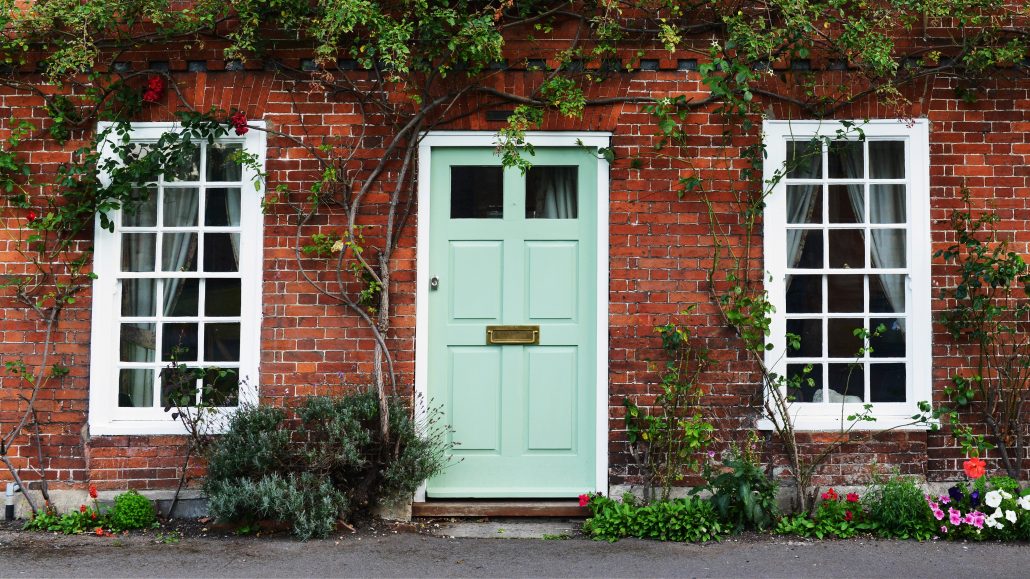
Cottage-Style Timber Windows: Rustic Designs for Character Properties
In this article, you’ll discover:
- What makes a window authentically “cottage style”
- Stormproof casements and why they suit cottage properties
- Leaded light options — diamond, square and decorative patterns
- Traditional ironmongery that completes the look
- Best colours and finishes for cottage character
- Which timber species work best for rustic aesthetics
Introduction
Cottage character lives in the details — and windows are the most visible detail on any facade. The wrong windows destroy cottage appeal faster than any other single change. The right ones reinforce the charm that makes cottages special.
But “cottage style” means something specific. It’s not just old-fashioned or traditional — it’s a distinct aesthetic rooted in vernacular building traditions, practical construction, and regional character.
We manufacture timber windows for cottages across the UK, from Cotswold stone houses to Devon cob buildings, Scottish farmhouses to Welsh longhouses. This guide explains the design elements that create authentic cottage character — and how to specify windows that look right.
Stormproof Casements: The Cottage Standard
Most cottage windows are casements — hinged sashes that open outward. But not all casements suit cottage character.
What “Stormproof” Means
Stormproof casements have a distinctive profile where the sash overlaps the frame when closed, creating a stepped joint that sheds water outward. The sash sits proud of the frame rather than flush with it.
This differs from flush casement windows, where the sash sits level with the frame — a cleaner look that suits Georgian and modern properties but lacks cottage authenticity.
Why Stormproof Suits Cottages
The stormproof profile developed for practical reasons:
- Weather resistance — the overlap sheds rain effectively
- Visual depth — creates shadow lines and visual interest
- Historic precedent — matches what vernacular builders actually used
- Robust appearance — looks substantial, not refined
For cottages predating the Georgian era, stormproof casements are almost always more appropriate than flush alternatives.
Opening Configurations
Traditional cottage casements typically feature:
- Side-hung sashes — opening outward, left or right hinged
- Top-hung fanlights — small upper sections for ventilation
- Fixed lights — non-opening sections with matching profiles
- Asymmetric arrangements — one opening sash plus fixed lights
Symmetry isn’t a cottage virtue. Irregular arrangements — different sized lights, off-centre opening sashes — often look more authentic than perfectly balanced modern designs.
Leaded Lights: Diamond, Square and Decorative
Leaded light windows define cottage character more than any other single element.
How Leaded Lights Work
Small glass panes are held in lead cames (the H-section strips that separate panes) to form larger glazed areas. The lead provides flexibility that accommodates building movement and thermal expansion.
Modern leaded lights can be:
- Traditional leaded — individual panes in genuine lead cames (most authentic)
- Sealed unit with internal bars — decorative leading inside the double-glazed unit
- Surface-applied leading — decorative strips applied to glass surface (least authentic)
For genuine cottage character, traditional leaded construction is ideal. Where thermal performance matters, sealed units with internal leading offer a reasonable compromise.
Diamond Patterns
Diamond (diagonal) leading creates the classic cottage look — rotated squares forming a lattice pattern. This is the default choice for cottages across most of England.
Historically, diamonds developed because glassmaking produced small pieces; arranging them diagonally minimised waste. The pattern became associated with vernacular buildings.
Square Patterns
Square (rectangular) leading features horizontal and vertical cames forming a grid. It’s slightly more formal than diamond patterns, suiting:
- Tudor and Jacobean properties
- Arts and Crafts cottages
- Some regional vernacular styles
Decorative Patterns
More complex patterns include:
- Quarries — small diamond or square panes repeated uniformly
- Heraldic designs — incorporating coloured glass or painted details
- Art Nouveau/Deco — stylised floral or geometric elements
These suit specific periods and property types. For typical vernacular cottages, simple diamond or square patterns are usually most appropriate.
Cottage Bars and Glazing Divisions
Not all cottage windows use leaded lights. Timber glazing bars offer an alternative way to divide window areas.
What Cottage Bars Are
Cottage bars are horizontal bars (muntins) dividing a casement into upper and lower sections. They create the appearance of separate panes without leaded construction.
The term specifically describes horizontal bars, distinguishing them from Georgian-style glazing bars (multiple divisions forming grid patterns).
Appropriate Applications
Cottage bars suit:
- Victorian cottages (where leaded lights had fallen from fashion)
- Properties where simple horizontal division matches existing character
- Situations where leaded maintenance is unwanted
They’re less appropriate for earlier cottages where leaded lights would be more authentic.
Bar Profiles
Bar profiles matter:
- Ovolo — rounded profile, suits most cottage periods
- Ogee — S-curve profile, slightly more decorative
- Lamb’s tongue — traditional profile for Victorian casements
Avoid sharp, flat-faced profiles — they look modern rather than traditional.
Traditional Ironmongery
Hardware completes the cottage look. Modern polished chrome destroys character instantly.
Appropriate Finishes
- Black antique — the default cottage choice, suits most periods
- Pewter — softer alternative to black, suits some regional styles
- Antique brass — period-appropriate but rarer historically
- Beeswax black — traditional hand-finished appearance
Avoid: bright chrome, polished brass, white plastic — all look wrong on cottage windows.
Handle Styles
Traditional cottage handles include:
- Monkey tail — curved handle ending in a spiral (iconic cottage choice)
- Tear drop — simple shaped handle, less ornate
- Bulb end — rounded terminal, clean appearance
- Rat tail — long curved handle, traditional alternative
Monkey tail handles on black antique finish are the cottage standard — appropriate for almost any vernacular property.
Stay Options
Casement stays hold windows open:
- Peg stays — traditional bar with holes engaging pegs on the frame
- Friction stays — modern alternative, less visible, less traditional
- Hook and eye — simple traditional option for small casements
Peg stays suit visible installations; friction stays work better where hardware should disappear.
Colours for Cottage Character
Colour profoundly affects whether windows look authentically cottage.
Heritage Colours
Traditional cottage window colours include:
- Off-white/cream — safer than brilliant white, historically appropriate
- Heritage green — from sage to darker tones, suits many vernacular styles
- Black — particularly for ironwork areas, some regional traditions
- Natural oak — oiled or stained to show grain
- Stone/putty — neutral tones complementing masonry
What to Avoid
- Brilliant white — too stark for most cottages, modern appearance
- Mahogany stain — 1980s aesthetic, rarely appropriate
- Grey — contemporary trend, wrong for vernacular character
- Woodgrain uPVC — always obviously fake
Regional Variations
Colour traditions vary regionally:
- Cotswolds — cream, stone tones, occasional green
- Devon/Cornwall — white more common, also green and black
- Scotland — white, cream, regional variations
- Wales — white common, green in some areas
Research local examples before specifying.
Best Timber for Cottage Windows
Timber species affects both durability and appearance.
Oak
The authentic choice for period cottages. Oak offers:
- Natural character with visible grain
- Ability to be left natural (silvers beautifully)
- Maximum longevity (60-100+ years)
- Historic authenticity
The premium cost is justified for significant period properties.
Painted Softwood
Engineered softwood with painted finish works well for:
- Victorian and later cottages
- Properties where paint finish is appropriate
- Budget-conscious projects
- Situations requiring consistent colour
Properly finished, painted softwood is entirely appropriate for most cottage applications.
Accoya
Where exposure is severe (coastal cottages, exposed hilltop sites), accoya’s exceptional stability and durability suit demanding conditions while accepting traditional finishes.
Frequently Asked Questions
What style of windows suit a cottage?
Stormproof casement windows with either leaded lights (diamond or square patterns) or cottage bars suit most vernacular cottages. Traditional ironmongery in black antique finish completes the look. Avoid flush casements, Georgian glazing patterns, and modern hardware — all look wrong on genuine cottage properties.
Are leaded windows more expensive than plain glass?
Yes — traditional leaded lights add 30-50% to window costs compared to standard glazing. The craftsmanship involved justifies the premium. Sealed units with internal decorative leading offer a lower-cost compromise but are less authentic in appearance.
Can cottage windows be double glazed?
Absolutely. Modern cottage-style windows incorporate double glazing (or triple) with U-values meeting current Building Regulations. The traditional appearance is achieved through external styling — leaded lights, appropriate glazing bars, stormproof profiles — while the thermal performance comes from modern glazing technology.
What colour should cottage windows be?
Heritage colours work best: off-white, cream, heritage green, natural oak, or stone/putty tones. Avoid brilliant white (too stark), mahogany stain (dated), and grey (too contemporary). Research local cottage examples for regional colour traditions.
Do cottage windows need planning permission?
Like-for-like replacement is usually permitted development. However, many cottages are listed or in conservation areas, requiring formal consent for any changes. Even unlisted cottages may benefit from matching historic character — planning officers respond better to authentic designs. Check requirements before specifying.
Conclusion
Cottage windows demand attention to detail: stormproof profiles, not flush; leaded lights or cottage bars, not Georgian grids; traditional ironmongery, not modern chrome; heritage colours, not brilliant white.
Get these elements right and your windows will reinforce cottage character for decades. Get them wrong and no amount of thatched roofing or exposed beams will compensate. With proper maintenance, quality timber windows will outlast your ownership of the property.
At Timber Windows Direct, we manufacture cottage-style timber windows with all the traditional details — stormproof casements, leaded lights, period ironmongery, and heritage finishes. Request your free quote and let’s discuss what works for your cottage.


Leave a Reply
Want to join the discussion?Feel free to contribute!