
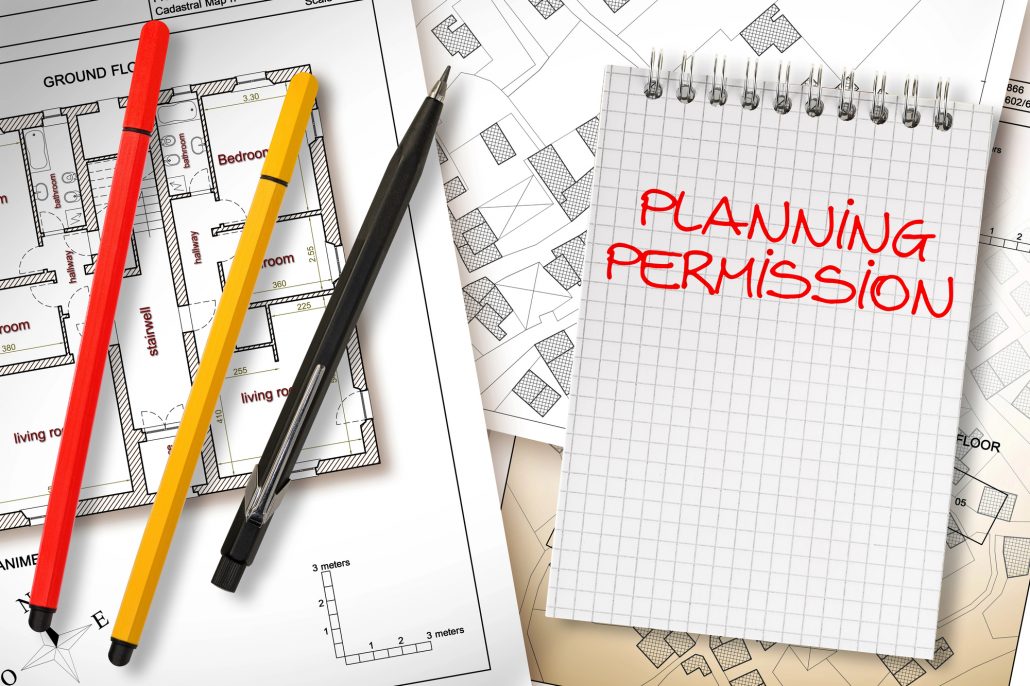
Planning Permission for Timber Windows: The Complete UK Guide
In this article, you’ll discover:
- When planning permission is required for window replacement
- How permitted development rights work — and when they’re removed
- Specific requirements for conservation areas and listed buildings
- The planning application process, costs and timescales
- How to maximise your chances of approval
- What to do if your application is refused
Introduction
“Do I need planning permission to replace my windows?” It’s one of the most common questions homeowners ask — and the answer is frustratingly complicated. It depends on where you live, what type of property you own, and sometimes on judgements about whether your proposals are “similar” to what’s already there.
Most window replacements don’t need planning permission. But when they do, getting it wrong has serious consequences: enforcement notices, mandatory removal of non-compliant windows, and significant financial loss.
We supply timber windows across the UK, from standard permitted development situations to complex listed building projects. This guide explains when permission is needed, how to apply, and how to avoid the common pitfalls.
When Is Planning Permission Required?
The rules vary significantly depending on your property type and location.
Standard Properties (Outside Conservation Areas)
For most houses outside conservation areas, window replacement is permitted development — no planning application needed. However, conditions apply:
- Replacements must be “similar in appearance” to existing windows
- Materials should be similar (though this is interpreted flexibly)
- No projection beyond the existing building line
“Similar in appearance” is the key phrase. Replacing timber sash windows with timber sash windows clearly qualifies. Replacing timber sashes with uPVC casements probably doesn’t — the style change is too significant.
Conservation Areas
Conservation areas protect places of special architectural or historic interest. Permitted development rights are often restricted:
Without Article 4 direction: Like-for-like replacement may still be permitted development, but “similar in appearance” is interpreted more strictly. Timber for timber is expected.
With Article 4 direction: Planning permission required for window replacement, even like-for-like. Article 4 removes specific permitted development rights — check whether it covers windows on your property.
Most conservation areas now have Article 4 directions covering at least front elevations. Never assume — verify with your local planning authority.
Listed Buildings
Listed building consent is always required for window replacement in listed buildings, regardless of location. This is separate from (and additional to) planning permission.
The three grades have different implications:
- Grade I (2.5% of listings): Buildings of exceptional interest. Extremely stringent requirements.
- Grade II* (5.8%): Particularly important buildings. Very careful consideration required.
- Grade II (91.7%): Buildings of special interest. Still requires consent but slightly more flexibility.
For listed buildings, expect detailed scrutiny of materials, design, profiles and construction methods. Timber is almost always required.
Flats and Maisonettes
Permitted development rights are more restricted for flats. External alterations visible from a highway typically require planning permission even outside conservation areas. Internal alterations affecting external appearance also need consideration.
In practice, most flat window replacements visible from public areas require permission.
Front Elevations
Some councils restrict permitted development rights for front elevations specifically, even outside conservation areas. The logic: front elevations define street character.
Check whether your council has specific policies on front elevation alterations.
Permitted Development: Understanding the Rules
Permitted development isn’t a free pass — it’s conditional.
What “Similar in Appearance” Means
The key test for permitted development window replacement. “Similar” doesn’t mean “identical,” but it does mean maintaining essential character:
Generally accepted as similar:
- Timber sash replacing timber sash (same style)
- Like-for-like casement replacement
- Colour changes within similar ranges
- Modern glazing in existing frames
Generally NOT accepted as similar:
- Sash windows replaced with casements
- Timber replaced with uPVC (in conservation areas especially)
- Significant changes to glazing patterns
- Altering window proportions substantially
When in doubt, seek confirmation from your local planning authority before proceeding.
Material Changes
Outside conservation areas, material changes (timber to uPVC, for example) may qualify as permitted development if the overall appearance is similar. In practice, enforcement is rare for straightforward replacements.
In conservation areas, material authenticity matters more. Timber to uPVC is typically not “similar” even if the style matches.
When Permitted Development Is Removed
Your permitted development rights may be removed by:
- Article 4 directions — targeted removal of specific rights
- Planning conditions — conditions on original planning permission removing future rights
- National Park or AONB status — additional restrictions in designated landscapes
- Building type — flats, commercial conversions, etc.
Check your property’s planning history and any area-wide restrictions.
The Planning Application Process
When permission is required, here’s what to expect.
Pre-Application Advice
Strongly recommended for conservation area and listed building applications. Most councils offer paid consultations (£50-£150) where you can:
- Discuss proposals informally
- Identify potential objections
- Clarify documentation requirements
- Get guidance on likelihood of approval
Pre-application advice significantly improves success rates and avoids wasted fees.
Required Documentation
A complete planning application typically includes:
Application form — Available from your council or the Planning Portal
Site location plan — 1:1250 or 1:2500 scale showing the property in context
Block plan — 1:500 or 1:200 showing the building footprint
Existing and proposed elevations — Scaled drawings (1:50 or 1:100) showing current and proposed windows
Design and access statement — Explaining your proposals and design rationale
Heritage statement — For listed buildings and sensitive conservation area applications
Photographs — Existing windows, building context, street scene
For listed building consent, additional detail on materials, profiles, and construction methods is expected.
Application Fees
Current fees (England, 2024/25):
| Application Type | Fee |
| Householder planning permission | £206 |
| Listed building consent | Free |
| Certificate of lawfulness | £103 |
Fees differ in Wales, Scotland and Northern Ireland. Listed building consent is free, but if planning permission is also required, you pay that fee.
Processing Timescales
Statutory targets:
- Householder applications: 8 weeks
- Listed building consent: 8 weeks
- Applications requiring committee decision: 13 weeks
In practice:
- Straightforward applications: 6-8 weeks
- Complex applications: 10-12 weeks (with agreed extensions)
- Committee applications: 12-16 weeks
You can track progress through your council’s online planning portal.
Maximising Approval Chances
These strategies significantly improve success rates.
Research Before Designing
Before finalising window specifications:
- Study approved applications in your area (searchable on council planning portals)
- Read the conservation area appraisal if applicable
- Photograph windows on similar nearby buildings
- Note what materials and styles the council has accepted
Specify Timber
For conservation areas and listed buildings, timber is the expected material. uPVC applications are routinely refused. Aluminium sometimes succeeds for 20th-century buildings but rarely for Victorian or earlier.
Specifying timber from the outset avoids wasted applications.
Match Historic Character
The closer your proposals match the building’s original character, the better:
- Replicate original window styles if evidence exists
- Use period-appropriate glazing patterns
- Match historic profiles for glazing bars, horns, and mouldings
- Specify appropriate ironmongery
Provide Quality Documentation
Poor drawings and incomplete applications create unnecessary delays and raise doubts about proposal quality:
- Use professional drawings where possible
- Include clear photographs
- Write a coherent design statement
- For listed buildings, provide detailed specifications
Engage Constructively
If officers raise concerns:
- Respond promptly
- Be willing to modify proposals
- Ask specifically what would gain approval
- Don’t become adversarial
Most refusals result from failure to engage, not fundamental objections.
If Your Application Is Refused
Refusal isn’t the final word.
Understanding Refusal Reasons
Refusal notices must state specific grounds. Common reasons include:
- Inappropriate materials
- Design incompatible with building character
- Loss of historic fabric
- Harm to conservation area character
- Insufficient information
Understand exactly why the application failed before deciding next steps.
Options After Refusal
Resubmit with modifications — Free within 12 months if addressing refusal reasons. Often the most practical option.
Appeal — To the Planning Inspectorate within 6 months. Takes 6-12 months and succeeds in roughly 30-40% of cases. Only worthwhile if you believe the refusal was genuinely unreasonable.
Negotiate — Informal discussion may identify acceptable compromises. Officers prefer negotiated approvals to defended appeals.
Enforcement Risks
Installing windows without required permission creates enforcement risk:
- No time limit for enforcement in conservation areas
- Listed building enforcement has no time limit
- Councils can require removal and reinstatement
- Criminal prosecution possible for listed building offences
The risk isn’t theoretical — we’ve seen homeowners required to remove recently installed windows. Always confirm permission requirements before proceeding.
Frequently Asked Questions
Do I need planning permission to replace windows in my house?
Usually no — most window replacements are permitted development. However, permission is typically required in conservation areas with Article 4 directions, for listed buildings (always), for flats, and where proposals aren’t “similar in appearance” to existing windows. Check your specific situation with the local planning authority.
How much does planning permission for windows cost?
Householder planning permission costs £206 in England (2024/25). Listed building consent is free. Pre-application advice typically costs £50-£150 extra. Professional drawings and heritage statements may add further costs depending on complexity.
How long does planning permission take?
The statutory target is 8 weeks for householder applications. Simple applications may be decided in 6-7 weeks; complex ones take 10-12 weeks. Committee decisions take 12-16 weeks. Track progress through your council’s online planning portal.
What’s the difference between planning permission and listed building consent?
Planning permission controls development generally. Listed building consent specifically controls alterations to listed buildings that affect their character. For listed building window replacement, you need listed building consent (always) and may also need planning permission depending on other factors. Listed building consent is free; planning permission costs £206.
Can I replace timber windows with uPVC without permission?
Outside conservation areas, possibly — if the appearance is “similar.” In conservation areas, unlikely — uPVC applications are routinely refused. For listed buildings, almost certainly not. Timber is the safe choice for any heritage-sensitive context.
What happens if I install windows without planning permission?
The council can take enforcement action requiring removal of non-compliant windows and reinstatement of appropriate ones — at your expense. There’s no time limit for enforcement in conservation areas or for listed buildings. For listed buildings, criminal prosecution is also possible. Always confirm permission requirements before proceeding.
Conclusion
Most window replacements don’t need planning permission — but when they do, getting it right matters. Conservation areas, listed buildings, and flats all have specific requirements that must be understood and addressed.
The key is establishing requirements early. Check whether Article 4 directions apply, confirm listed building status, and seek pre-application advice for complex situations. Specifying appropriate timber windows from the outset avoids wasted applications and ensures proposals that satisfy planners and enhance your property.
At Timber Windows Direct, we manufacture bespoke timber windows for all contexts — from straightforward permitted development to demanding listed building projects. We provide detailed specifications, can supply drawings for planning applications, and advise on heritage-appropriate designs. Request your free quote and let’s discuss your planning requirements.


Leave a Reply
Want to join the discussion?Feel free to contribute!