
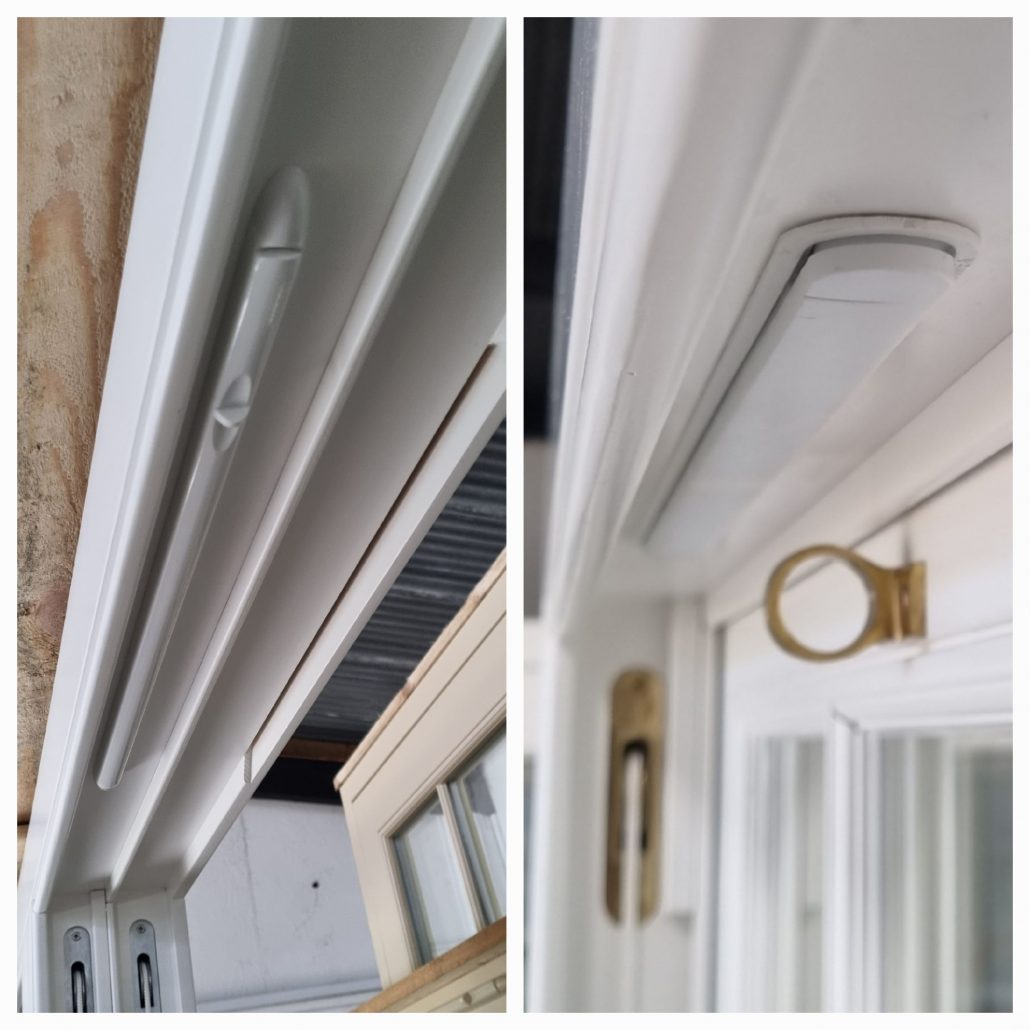
Trickle Vents in Timber Windows: Building Regulations Explained
In this article, you’ll discover:
- What Part F Building Regulations require since June 2022
- The 8000mm² ventilation rule and how it applies to your windows
- Different trickle vent positions and their visual impact
- Aesthetic solutions for heritage and period properties
- Alternatives to standard trickle vents
- When trickle vents aren’t actually required
Introduction
Nobody gets excited about trickle vents. They’re not glamorous, they don’t feature in design magazines, and most homeowners would rather they didn’t exist. But Building Regulations require them in most new and replacement windows — and understanding the rules helps you comply while minimising visual impact.
Since June 2022, the requirements have become stricter. New builds and certain replacement scenarios must provide specific amounts of background ventilation, and trickle vents are the standard solution.
This guide explains what the regulations actually require, how trickle vents work in timber windows, and how to satisfy compliance without compromising your windows’ appearance.
Part F Building Regulations: The Legal Requirements
Building Regulations Part F covers ventilation in buildings. Here’s what it means for your windows.
The June 2022 Changes
Revised Part F regulations took effect on 15 June 2022, introducing stricter ventilation requirements. The changes responded to evidence that modern airtight buildings can suffer from poor indoor air quality without adequate background ventilation.
Key changes included:
- Increased minimum equivalent areas for background ventilation
- Clearer requirements for replacement windows
- Emphasis on ventilation as a whole-dwelling system
The 8000mm² Rule
For habitable rooms (living rooms, bedrooms, kitchens, dining rooms), Part F requires 8000mm² equivalent area of background ventilation.
What does this mean practically? A standard trickle vent provides around 4000mm² equivalent area. So most rooms need at least two standard trickle vents, or one larger vent, to comply.
For bathrooms and utility rooms, the requirement is 4000mm² — typically one standard vent.
When Replacement Windows Must Comply
The regulations distinguish between scenarios:
Full compliance required:
- New build properties
- Extensions and significant alterations
- Replacement windows where existing ventilation is removed
Existing ventilation preserved:
- If you’re replacing windows that never had trickle vents, you’re not always required to add them
- If original windows had trickle vents, replacements must provide equivalent ventilation
The interpretation varies between Building Control bodies. When in doubt, include trickle vents — they’re inexpensive and ensure compliance regardless of interpretation.
Trickle Vent Positions and Options
Where trickle vents are positioned affects both performance and appearance.
Head-Mounted Vents (Most Common)
The standard position: trickle vents installed in the head (top) of the window frame. This is the most common approach for timber windows.
Advantages:
- Straightforward installation
- Good airflow distribution (warm air rises, fresh air enters high)
- Doesn’t interfere with curtain rails in most cases
Disadvantages:
- Visible from outside
- Can affect appearance on period-style windows
- May conflict with very shallow reveals
Jamb-Mounted Vents
Vents installed in the vertical sides (jambs) of the window frame. Less common but increasingly popular for heritage applications.
Advantages:
- Less visually prominent from street level
- Can be concealed behind curtains
- Works well with deep reveals
Disadvantages:
- Slightly more complex installation
- May require wider frames
- Can conflict with some hardware positions
Glazing Bar Integrated Vents
For Georgian-style windows with glazing bars, ventilation can be integrated into the bar structure. Specialist solution but available.
Advantages:
- Almost invisible when closed
- Maintains authentic glazing patterns
- Excellent for heritage properties
Disadvantages:
- More expensive
- Limited airflow capacity
- Not all manufacturers offer this option
Through-Frame Vents
Ventilation provided through the frame section itself rather than a visible grille. Various proprietary systems exist.
Advantages:
- Minimal visual impact
- Clean appearance
Disadvantages:
- May not provide sufficient equivalent area for compliance
- Often supplemented by conventional vents
Aesthetic Solutions for Period Properties
Balancing ventilation compliance with heritage appearance requires thought.
Colour Matching
Modern trickle vents are available in virtually any RAL colour. Matching the vent to the window frame colour makes it far less noticeable.
Standard options: White, cream, black, brown, grey
Bespoke matching: Any colour to match factory-finished frames
Never accept mismatched white vents on painted timber frames — colour-matched vents cost minimally more and dramatically improve appearance.
Canopy and Cover Options
Some trickle vents feature decorative covers or canopy designs that reduce the utilitarian appearance:
- Curved canopy profiles
- Traditional styling to complement period windows
- Slimline profiles for minimal visual impact
Positioning Strategy
For multi-window rooms, concentrating trickle vents in less visible windows can satisfy compliance while minimising impact:
- Prioritise vents in side or rear elevation windows
- Use windows with deeper reveals where vents are less visible
- Consider alternative ventilation for prominent front windows (see below)
Heritage Exemptions
Listed buildings and some conservation area properties may qualify for exemptions from trickle vent requirements. However:
- Exemptions must be formally agreed with Building Control
- You’ll need to demonstrate why compliance is impractical
- Alternative ventilation provision may be required
Don’t assume exemption applies — confirm in writing before proceeding without trickle vents.
Alternatives to Trickle Vents
Trickle vents aren’t the only way to satisfy Part F requirements.
Night Vents and Restrictor Stays
Windows with lockable night vent positions — slightly open for ventilation but secure against intrusion — can contribute to background ventilation. However:
- Building Control may not accept these as the sole solution
- User behaviour affects actual ventilation rates
- Security depends on quality restrictor stays
Night vents typically supplement rather than replace trickle vents.
Passive Stack Ventilation
Whole-dwelling passive ventilation systems use warm air’s natural buoyancy to draw fresh air through the building:
- Fresh air enters through vents in habitable rooms
- Stale air exits through ducts in kitchens and bathrooms
- No mechanical power required
This can reduce or eliminate trickle vent requirements in windows but requires system design at the building stage — not a retrofit solution.
Mechanical Ventilation with Heat Recovery (MVHR)
MVHR systems provide controlled ventilation throughout the building:
- Extract stale air from kitchens and bathrooms
- Supply fresh filtered air to living spaces
- Recover heat from exhaust air
With MVHR, trickle vents are typically not required — the system provides all background ventilation. Common in Passive House and low-energy builds.
Wall-Mounted Vents
Background ventilation can be provided through the wall rather than the window:
- Acoustic trickle vents for noise-sensitive locations
- Through-wall vents in deep reveals
- Combined with window vents to achieve required equivalent area
This can preserve window appearance while satisfying ventilation requirements.
When Trickle Vents Aren’t Required
There are legitimate situations where trickle vents can be omitted.
Existing Provision Adequate
If your property already has adequate background ventilation through other means — existing wall vents, passive ventilation systems, or MVHR — additional trickle vents in windows may not be required. Building Control confirmation is essential.
Like-for-Like Replacement (Sometimes)
Replacing windows that never had trickle vents doesn’t always trigger a requirement to add them. The building’s existing ventilation provision may be deemed adequate. However, interpretation varies — many Building Control bodies now expect trickle vents regardless.
Non-Habitable Spaces
Rooms not classified as habitable — storage areas, garages, unheated conservatories — may not require the same ventilation provision. Confirm classification with Building Control.
FENSA and Competent Person Schemes
If your windows are installed through a FENSA registered installer or equivalent competent person scheme, they’re responsible for ensuring Building Regulations compliance — including ventilation. They’ll specify trickle vents where required.
Frequently Asked Questions
Are trickle vents a legal requirement for all new windows?
Not always, but usually. Since June 2022, Part F requires 8000mm² equivalent area of background ventilation per habitable room. If replacing windows that had trickle vents, replacements must maintain equivalent provision. If windows never had vents, requirements depend on interpretation — most Building Control bodies now expect compliance regardless.
Can I remove trickle vents from my windows?
You can close them, but removing them may create Building Regulations issues if you later sell or have building work inspected. More importantly, inadequate ventilation causes condensation, mould growth, and poor indoor air quality. Keep trickle vents and use them.
Do trickle vents cause draughts?
When closed, no. When open, they provide controlled background ventilation — not the uncontrolled draughts from ill-fitting windows. Modern trickle vents with acoustic baffles minimise cold air sensation while maintaining airflow. They shouldn’t create discomfort when properly specified.
What colour trickle vents are available?
Any colour. Standard options include white, cream, black, brown and various greys. Bespoke colour matching to any RAL reference is available for minimal extra cost. Always colour-match vents to your timber window finish for best appearance.
Do listed buildings need trickle vents?
Listed building consent may permit exemption from trickle vent requirements where compliance would harm heritage character. However, this must be formally agreed — don’t assume exemption applies. Alternative ventilation solutions may be required. Discuss with your conservation officer and Building Control before finalising specifications.
Conclusion
Trickle vents are a regulatory requirement for most new and replacement windows — but they needn’t ruin your windows’ appearance. Colour matching, considered positioning, and integrated designs can satisfy Part F compliance while maintaining aesthetic quality.
The key is addressing ventilation early in your window project. Assuming you can omit trickle vents, or adding them as an afterthought, leads to poor outcomes. Discuss ventilation requirements with your supplier and Building Control before finalising specifications.
At Timber Windows Direct, all our windows can be supplied with trickle vents to Building Regulations requirements. We offer colour-matched vents, heritage-sympathetic options, and advice on positioning for minimal visual impact. Request your free quote and let’s discuss your ventilation requirements.


Leave a Reply
Want to join the discussion?Feel free to contribute!