
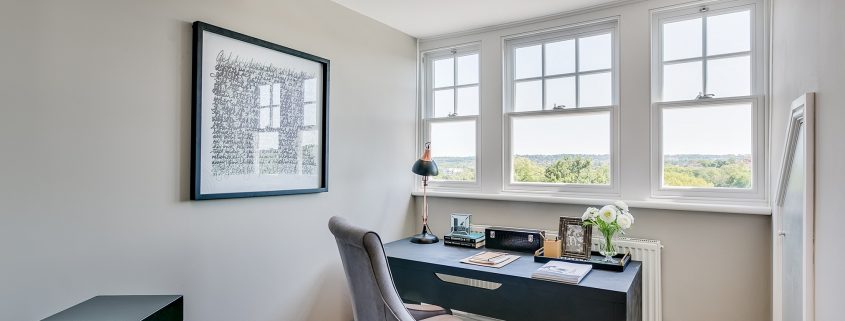
How Timber Windows Add Long-Term Value to Your Property

In this article, you’ll discover:

  • How windows impact first impressions and kerb appeal
  • Why buyers pay more for period-appropriate materials
  • The EPC effect: how window efficiency affects property value
  • What estate agents say about timber vs uPVC
  • Where timber investment makes the biggest difference

“Will I get my money back if I sell?” It’s one of the first questions homeowners ask when considering timber windows over uPVC.

The short answer: in most cases, yes — and often more. But the real picture is more nuanced than a simple ROI calculation. Timber windows affect property value in several ways, and understanding these helps you make the right decision.

Kerb Appeal: The 10-Second Window

Estate agents will tell you: buyers make up their minds within seconds of seeing a property. And what do they see? The front elevation. The windows.

Windows typically cover 15-25% of a building’s façade. They’re impossible to miss. And while buyers might not consciously think “those are timber windows,” they absolutely register the overall impression — proportions, detailing, quality.

What Buyers Notice

  • Proportion and design: Timber allows for slim glazing bars and authentic period profiles that uPVC can’t replicate
  • Colour and finish: Timber can be painted any colour; uPVC is limited and fades over time
  • Condition: Well-maintained timber looks premium; ageing uPVC looks cheap
  • Consistency: Windows that match the property’s character vs obvious replacements that jar

On period properties especially, uPVC windows can actively detract from value. They signal “budget upgrade” to experienced buyers.

Period Properties: Authenticity Commands a Premium

For Victorian, Edwardian, Georgian, and Arts & Crafts properties, original or sympathetic replacement windows are expected by buyers at the upper end of the market.

What the Data Shows

Properties in conservation areas typically sell for 5-15% more than equivalent properties outside. Part of that premium reflects the architectural integrity that comes with appropriate materials.

Conversely, period properties with uPVC windows often sell below comparable homes. Estate agents report that buyers factor in the cost of “putting right” the windows — and then some, because it’s a hassle they’d rather avoid.

The Premium Market Effect

In higher-value areas, buyer expectations increase dramatically. A Victorian townhouse in a desirable London neighbourhood? Buyers expect timber sash windows. Anything else is a negative.

We’ve had customers tell us their estate agent specifically recommended upgrading from uPVC to timber before marketing — the agent knew it would make a material difference to offers.

Energy Efficiency and EPC Ratings

With proposed legislation potentially requiring minimum EPC ratings for sales and lettings, energy efficiency has become a valuation factor.

Modern timber windows with quality double glazing achieve U-values around 1.2-1.4 W/m²K — better than most uPVC at equivalent price points. Combined with low-e glass and argon filling, timber windows can significantly improve a property’s EPC rating.

Research suggests each EPC band improvement adds roughly 3-5% to property value. For a £400,000 home, moving from D to C could mean £12-20,000.

Longevity: The Investment That Keeps Giving

Here’s something buyers increasingly understand: timber windows last 60+ years. uPVC? 20-30 years.

For an informed buyer, uPVC windows installed 15 years ago represent a liability — replacement within the next decade. Timber windows of equivalent age have decades of life remaining.

This matters for valuations. Estate agents increasingly note window type and condition. “Original timber sash windows, well maintained” is a positive. “uPVC replacement windows, 2008” is neutral at best.

What Estate Agents Actually Say

We asked several estate agents operating in areas with mixed housing stock. Here’s the consensus:

On period properties: “Timber windows are expected. uPVC is a negative that gets flagged in particulars — often unspoken but definitely factored into offers.”

On conservation areas: “Buyers actively look for properties with correct windows. They know getting planning for changes is difficult, so finding a property that’s already right commands a premium.”

On modern properties: “Less differentiation here. Quality matters more than material. But even on newer builds, timber signals ‘premium’ in a way uPVC doesn’t.”

On ROI: “You won’t necessarily get every pound back on a modern property. But on period homes, especially in good areas, timber windows can return 100%+ of investment through increased sale price.”

Where Timber Investment Makes the Biggest Difference

Strongest return:

  • Listed buildings (often required)
  • Properties in conservation areas
  • Victorian, Edwardian, Georgian homes in desirable areas
  • Premium developments where quality is expected

Good return:

  • Character properties generally
  • Properties in affluent areas
  • Homes you plan to keep long-term (value compounds)

Neutral to modest return:

  • Standard modern housing
  • Properties you’ll sell within 5 years
  • Areas where buyers prioritise price over quality

Frequently Asked Questions

Windows as Investment

Timber windows aren’t just a purchase — they’re an investment in your property. The returns come through kerb appeal, period authenticity, energy efficiency, and sheer longevity.

Whether you’re planning to sell soon or stay for decades, timber windows make financial sense for most period and character properties. And even where the immediate ROI is modest, you get daily benefits — aesthetics, comfort, performance — that spreadsheets don’t capture.

At Timber Windows Direct, we manufacture bespoke windows in engineered pine, meranti, and oak. Get in touch to discuss how we can add value to your property.
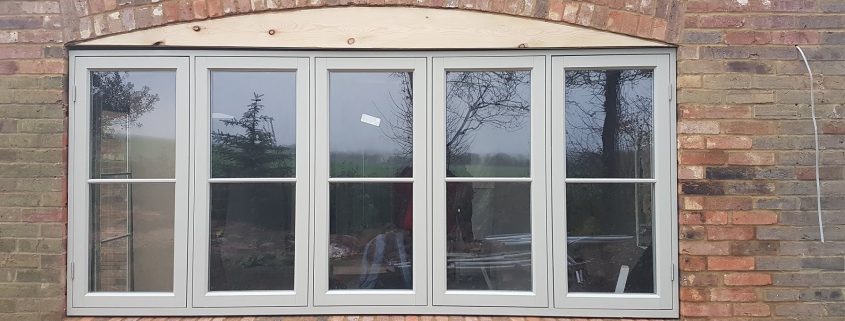
Timber Windows

Timber Window Maintenance: Debunking the Myths

In this article, you’ll discover:

  • Where the “high maintenance” reputation actually comes from
  • What modern factory finishes have changed
  • A realistic maintenance schedule (spoiler: it’s less than you think)
  • Why timber’s repairability is a feature, not a bug
  • Simple steps to maximise window lifespan

“But don’t timber windows need painting every year?” We hear some version of this question almost daily. And we understand where it comes from — people remember their grandparents scraping and repainting window frames every summer.

Here’s the thing: modern timber windows are fundamentally different products. The manufacturing processes, timber preparation, and finishing systems have transformed what “maintenance” actually means.

Let’s separate myth from reality.

Where the Bad Reputation Came From

The timber windows of the mid-20th century genuinely did require significant maintenance. Understanding why helps explain what’s changed.

The Problems with Old Timber Windows

  • Untreated timber: Wood went straight from sawmill to joiner with minimal preparation
  • High moisture content: Inadequate drying meant frames shrank after installation, creating gaps
  • Oil-based paints: Traditional paints formed hard films that cracked and peeled as wood moved
  • Site finishing: Paint applied in variable British weather, often with inadequate preparation
  • Solid timber: Single pieces of wood prone to warping and twisting with seasonal changes

The result? Windows that needed attention every 2-3 years, and constant battles with peeling paint and swelling frames.

What Modern Manufacturing Has Changed

Virtually every aspect of timber window production has improved.

Engineered Timber Construction

Modern windows use engineered timber — multiple layers bonded with grain directions alternating. This virtually eliminates the dimensional movement that caused old windows to warp, twist, and bind.

Controlled Drying

Timber is kiln-dried to 12-14% moisture content before manufacturing — precisely controlled to match average UK indoor humidity. No post-installation shrinkage, no gaps appearing.

Microporous Finishing Systems

This is the big one. Modern water-based microporous paints and stains work completely differently from old oil-based systems.

Traditional paints sealed the wood surface completely. When moisture inevitably got in (through end grain, joints, or damage), it was trapped. The paint film cracked and peeled from the inside.

Microporous finishes allow the wood to breathe — moisture vapour can pass through the coating. Water can’t get in, but the wood can naturally regulate its moisture content. The finish flexes with the wood’s natural movement instead of cracking.

Factory Application

Quality manufacturers apply finishes in controlled factory conditions — optimal temperature and humidity, proper drying between coats, complete coverage including end grain and rebates. This level of consistency is impossible on-site.

What Maintenance Actually Looks Like

Here’s the realistic schedule for modern factory-finished timber windows:

Annual (10 minutes total)

  • Visual check for any damage or deterioration
  • Clear debris from drainage channels
  • Wipe down frames with mild soapy water

Every 8-12 Years

  • Light sand and apply fresh topcoat
  • Check and replace any worn weatherseals

That’s it. No stripping to bare wood. No filling and priming. Just a light sand and fresh coat of microporous paint or stain.

Factors That Affect Timing

Repairability: The Hidden Advantage

Here’s something that often gets missed in the maintenance discussion: timber windows can be repaired.

Localised rot in a timber frame? Cut out the affected section and splice in new timber. Damaged corner? Repair it. Worn paint? Sand and refinish.

Try doing that with uPVC. When uPVC windows fail — discolouration, brittleness, seal failure, broken mechanisms — you replace the entire window. There’s no repair option.

We’ve seen timber sash windows from the Victorian era — 150+ years old — still functioning after appropriate repairs. That’s not possible with any synthetic material.

What Actually Happens If You Skip Maintenance

Let’s be realistic about what happens if you don’t maintain timber windows:

Year 10-12: The finish starts to look tired, especially on south-facing windows. Slight chalking may appear. The windows still function perfectly.

Year 15-18: More significant weathering on exposed faces. Paint may be thin in places. Still no structural issues, but refinishing becomes more work — might need spot priming.

Year 20+: If still neglected, water starts penetrating bare areas. Localised rot may develop, particularly at joints and end grain. Repair rather than replacement is still usually possible.

The key point: neglecting timber windows doesn’t mean sudden failure. There’s a gradual degradation with plenty of warning signs. Compare this to uPVC, where seals fail suddenly and there’s no repair path.

Simple Steps to Maximise Window Lifespan

  • Keep drainage clear: The most common problem we see. Blocked drainage channels trap water against the frame. Two minutes with a stiff brush annually prevents this.
  • Don’t let vegetation touch frames: Climbing plants and overgrown shrubs hold moisture against timber. Keep a small gap.
  • Address damage promptly: A small chip in the finish is easily touched up. Left for years, it becomes localised rot.
  • Use the right cleaning products: Mild soapy water is fine. Avoid harsh chemicals that might damage the finish.
  • Don’t overpaint: When refinishing, follow manufacturer guidance. Too much paint builds up and can crack.

Frequently Asked Questions

The Reality of Timber Maintenance

The “high maintenance” reputation comes from a different era. Modern timber windows — engineered construction, controlled moisture content, microporous factory finishes — need far less attention than people assume.

A few minutes annually plus a refinish every decade or so. In return, you get windows that last 60+ years, can be repaired rather than replaced, and look beautiful throughout.

At Timber Windows Direct, all our windows are factory-finished with microporous coatings and come with a 5-year finish guarantee. Get in touch to discuss options for your project.