
Triple Glazing vs Double Glazing: What’s Best for Timber Windows?
In this article, you’ll discover:
- The real U-value difference between double and triple glazing
- Why triple glazing costs 30-40% more — and whether that premium is justified
- How glazing choice affects timber frame design and weight
- When triple glazing genuinely makes sense in UK homes
- The noise reduction benefits most people overlook
- Honest advice on what we recommend for most customers
Introduction
“Should I go for triple glazing?” It’s one of the most common questions we get asked. And the honest answer frustrates people: it depends.
Triple glazing has become something of a status symbol. It sounds better, it’s what Scandinavians use, and surely three panes must outperform two? The reality is more nuanced. For most UK homes, quality double glazing delivers excellent performance at significantly lower cost. But there are situations where triple glazing genuinely earns its premium.
We’ve manufactured timber windows with both glazing types for over a decade. We’ve seen the energy bills, heard the customer feedback, and know which properties benefit most from each option. This guide cuts through the marketing to help you make an informed decision based on your specific circumstances.
Understanding U-Values: The Numbers That Matter
Before comparing glazing options, you need to understand what you’re actually measuring.
What U-Value Means
U-value measures how quickly heat passes through a material — lower numbers mean better insulation. It’s expressed in watts per square metre per degree Kelvin (W/m²K).
Building Regulations Part L requires replacement windows to achieve a whole-window U-value of 1.4 W/m²K or better. That’s the legal minimum, not the aspiration.
Double Glazing U-Values
Quality double glazed timber windows typically achieve:
- Standard double glazing: 1.4-1.6 W/m²K
- Double with low-E glass and argon: 1.2-1.4 W/m²K
- High-performance double glazing: 1.0-1.2 W/m²K
With low-E glass and argon fill, double glazing comfortably exceeds Building Regulations requirements.
Triple Glazing U-Values
Triple glazed timber windows typically achieve:
- Standard triple glazing: 0.9-1.1 W/m²K
- High-performance triple glazing: 0.7-0.9 W/m²K
- Passive house specification: 0.6-0.8 W/m²K
The improvement from double to triple is real — roughly 0.3-0.5 W/m²K better. But that improvement comes at a cost.
The Diminishing Returns Problem
Here’s what the numbers don’t immediately show: the relationship between U-value and heat loss isn’t linear in terms of real-world impact.
Going from single glazing (5.0 W/m²K) to double glazing (1.4 W/m²K) cuts heat loss by approximately 72%. Going from double (1.4 W/m²K) to triple (0.8 W/m²K) cuts the remaining heat loss by a further 43% — but that’s 43% of the already-reduced figure.
In practical terms, the jump from single to double is transformative. The jump from double to triple is incremental.
Cost Analysis: Is Triple Glazing Worth the Premium?
Let’s talk money — because that’s ultimately what drives most decisions.
The Price Difference
Triple glazing typically costs 30-40% more than equivalent double glazing. For a typical house with 10 windows, that might mean:
| Glazing Type | Approximate Cost | Difference |
| Double glazed timber | £6,000-£8,000 | Baseline |
| Triple glazed timber | £7,800-£11,200 | +£1,800-£3,200 |
That premium buys you better thermal performance — but how long until energy savings recoup the investment?
Payback Period Reality
This is where triple glazing economics get uncomfortable. Based on current energy prices and typical UK heating patterns:
- Annual energy saving (triple vs double): £50-£100 per year for an average house
- Additional cost for triple glazing: £2,000-£3,000
- Simple payback period: 20-60 years
That payback calculation assumes energy prices stay constant (they won’t), your heating system efficiency stays constant (it won’t), and nothing else changes. The honest truth: you’re unlikely to recover the triple glazing premium through energy savings alone within a typical ownership period.
When Cost-Benefit Favours Triple
The pure economics shift in specific circumstances:
- New builds with whole-house efficiency targets — where triple glazing contributes to overall SAP ratings
- Passive house or ultra-low energy projects — where every decimal point of U-value matters for certification
- Properties with very large glazed areas — where the absolute heat loss through windows is significant
- Situations where you’re already replacing windows — the marginal cost of upgrading is lower than retrofitting later
Weight and Frame Implications for Timber Windows
Triple glazing isn’t just more expensive — it’s physically heavier. That matters for timber window design.
The Weight Difference
Typical glazing unit weights:
- Double glazing (4-16-4 configuration): 20 kg/m²
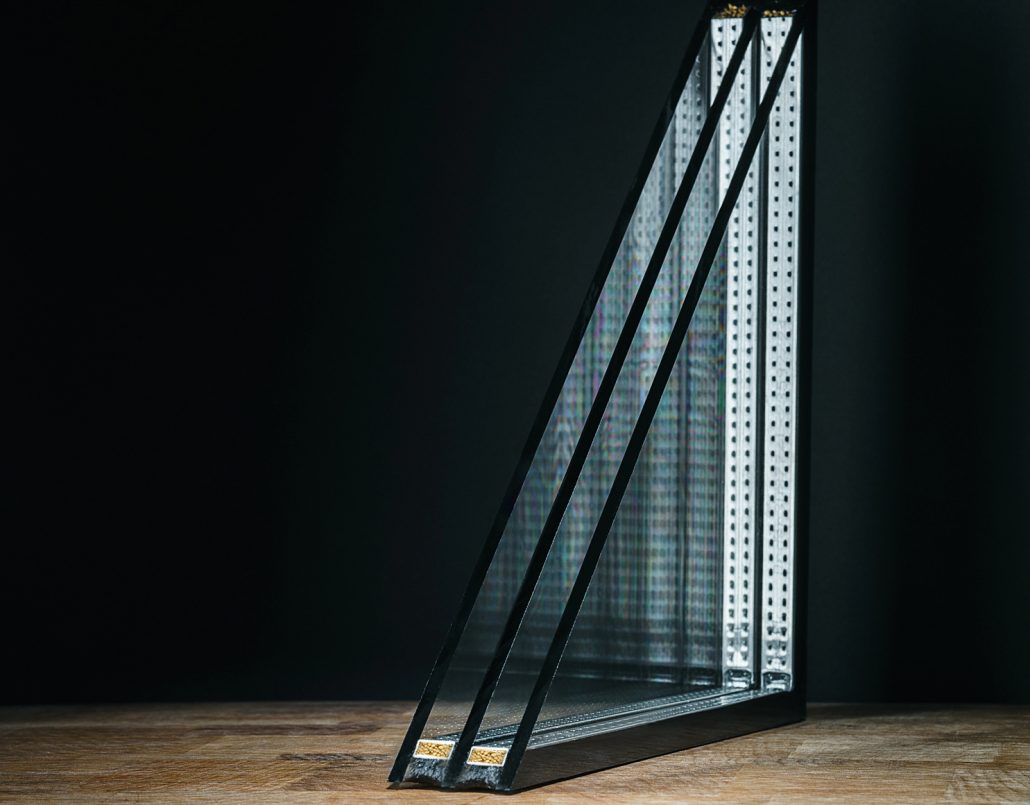
- Triple glazing (4-12-4-12-4 configuration): 30 kg/m²
That’s 50% more weight. For a large sash window, triple glazing might add 15-20kg to each sash.
Impact on Sash Windows
Heavier sashes require:
- Stronger cords or balances — traditional sash weights need to be heavier, spiral balances need higher ratings
- Reinforced meeting rails — the joint where sashes meet takes more stress
- Consideration of ease of operation — heavier sashes are harder to move, particularly for elderly users
For sash windows, this weight penalty is a genuine consideration. We’ve had customers request triple glazing then switch to double after handling the prototypes.
Impact on Casement Windows
Casement windows handle additional weight better than sashes, but still require:
- Heavier-duty hinges — standard friction stays may not cope long-term
- Potentially wider frames — to accommodate thicker glazing units (typically 36-44mm vs 24-28mm for double)
- Adjusted hardware specification — handles and locks rated for heavier sashes
Frame Depth Requirements
Triple glazing units are thicker:
- Double glazing: 24-28mm typical
- Triple glazing: 36-44mm typical
Your frame depth must accommodate this. Engineered timber frames of 68mm+ depth handle triple glazing comfortably. Slimmer heritage profiles may struggle.
Noise Reduction: The Overlooked Benefit
Here’s something that rarely features in glazing comparisons but matters enormously to people who live with the results: noise.
How Glazing Affects Sound
Sound reduction depends on:
- Mass — heavier panes block more sound
- Air gaps — wider cavities improve acoustic performance
- Asymmetric configurations — different pane thicknesses break up sound transmission
Double vs Triple for Noise
Standard configurations:
- Double glazing (4-16-4): ~30-32 dB reduction
- Triple glazing (4-12-4-12-4): ~35-40 dB reduction
That 5-10 dB difference is perceptually significant — roughly halving the apparent loudness.
When Acoustic Performance Matters
If your property faces:
- Busy roads
- Railway lines
- Flight paths
- Nightlife areas
- Industrial premises
The acoustic benefit of triple glazing may justify the premium regardless of thermal calculations. We’ve had customers in London and Manchester specifically request triple glazing for noise reduction, with thermal performance as a bonus.
Acoustic-Specific Alternatives
For pure noise reduction, specialist acoustic double glazing (asymmetric panes, acoustic interlayers) sometimes outperforms standard triple at lower cost and weight. Discuss your specific noise issues with us — the optimal solution isn’t always obvious.
UK Climate Considerations
The UK isn’t Scandinavia. Our maritime climate has different characteristics that affect glazing choices.
Why Scandinavians Use Triple Glazing
Nordic countries experience:
- Winter temperatures of -20°C to -30°C for extended periods
- Short winter days with minimal solar gain
- Long heating seasons (September to May)
- Energy prices that historically favoured maximum insulation
In that context, triple glazing’s superior U-values deliver meaningful savings over decades.
UK Climate Reality
British winters are milder:
- Typical winter temperatures: 0°C to 10°C
- Significant solar gain even in winter (cloudy, but not dark)
- Heating season roughly October to April
- Relatively high energy prices, but shorter demand period
The thermal difference between double and triple glazing matters less when the temperature differential across the window is smaller. A window losing heat at -20°C loses far more than the same window at +5°C.
Our Honest Recommendation
For most UK homes, high-performance double glazing (low-E glass, argon fill, warm-edge spacers) delivers optimal value. The U-values are excellent, the cost is reasonable, and the weight allows traditional window proportions.
Triple glazing makes sense for:
- Passive house and ultra-low energy builds
- Properties with exceptional noise exposure
- North-facing elevations with minimal solar gain
- Clients prioritising maximum performance regardless of payback
- Listed buildings or conservation areas where replacing windows is difficult (maximise performance when you do replace)
Frequently Asked Questions
Is triple glazing worth the extra cost in the UK?
For most UK homes, no — high-performance double glazing delivers 85-90% of the thermal benefit at 60-70% of the cost. Payback periods for the triple glazing premium typically exceed 20 years. However, triple glazing makes sense for passive house projects, properties with severe noise exposure, or homeowners prioritising maximum performance over pure economics.
What’s the U-value difference between double and triple glazing?
Quality double glazing achieves 1.2-1.4 W/m²K; triple glazing achieves 0.7-0.9 W/m²K — roughly 0.4-0.5 better. Both comfortably exceed Building Regulations requirements (1.4 W/m²K). The improvement is real but subject to diminishing returns: going from single to double cuts heat loss by ~72%, while double to triple cuts the remaining loss by ~43%.
Does triple glazing reduce noise better than double?
Yes, noticeably. Standard triple glazing provides 35-40 dB noise reduction versus 30-32 dB for double — roughly halving perceived loudness. For properties facing busy roads, railways, or flight paths, the acoustic benefit often justifies the premium independently of thermal considerations. Specialist acoustic double glazing is an alternative worth discussing.
Can my timber frames accommodate triple glazing?
Frame depth is critical. Triple glazing units are 36-44mm thick versus 24-28mm for double. Frames need 68mm+ depth to accommodate triple glazing comfortably. Weight is also a factor — triple glazing weighs ~50% more, requiring stronger hinges and balances, particularly for sash windows. Discuss frame specifications before committing.
How much heavier is triple glazing than double?
Approximately 50% heavier — 30 kg/m² versus 20 kg/m². For a large sash window, that might add 15-20kg per sash. This affects ease of operation (particularly for elderly users), hardware specification, and long-term wear on moving parts. Casement windows handle the weight better than sliding sashes.
Does triple glazing affect window appearance?
Minimally, but noticeably if you look closely. Thicker glazing units create slightly different reflections and may require wider frames. For heritage properties where slim profiles matter, this can be a consideration. Modern triple-glazed units have improved significantly — the “triple-glazed look” of early products is largely gone.
Conclusion
Triple glazing delivers genuine performance improvements — better U-values, superior noise reduction, and maximum thermal efficiency. But for most UK homes, those improvements don’t justify the 30-40% cost premium when measured against likely energy savings.
High-performance double glazing with low-E coatings, argon fill, and warm-edge spacers represents the sweet spot for British conditions. It exceeds Building Regulations comfortably, performs excellently in our maritime climate, and keeps costs and weight manageable.
The exceptions are real: passive house projects, noise-sensitive locations, and clients prioritising maximum performance over payback calculations. For these situations, triple glazing earns its premium.
At Timber Windows Direct, we manufacture both double and triple glazed timber windows — and we’ll give you honest advice on which suits your specific project. Request your free quote and let’s discuss what makes sense for your home.


Leave a Reply
Want to join the discussion?Feel free to contribute!