Trickle Vents in Timber Windows: Building Regulations Explained

In this article, you’ll discover:

  • What Part F Building Regulations require since June 2022
  • The 8000mm² ventilation rule and how it applies to your windows
  • Different trickle vent positions and their visual impact
  • Aesthetic solutions for heritage and period properties
  • Alternatives to standard trickle vents
  • When trickle vents aren’t actually required

Introduction

Nobody gets excited about trickle vents. They’re not glamorous, they don’t feature in design magazines, and most homeowners would rather they didn’t exist. But Building Regulations require them in most new and replacement windows — and understanding the rules helps you comply while minimising visual impact.

Since June 2022, the requirements have become stricter. New builds and certain replacement scenarios must provide specific amounts of background ventilation, and trickle vents are the standard solution.

This guide explains what the regulations actually require, how trickle vents work in timber windows, and how to satisfy compliance without compromising your windows’ appearance.

Part F Building Regulations: The Legal Requirements

Building Regulations Part F covers ventilation in buildings. Here’s what it means for your windows.

The June 2022 Changes

Revised Part F regulations took effect on 15 June 2022, introducing stricter ventilation requirements. The changes responded to evidence that modern airtight buildings can suffer from poor indoor air quality without adequate background ventilation.

Key changes included:

  • Increased minimum equivalent areas for background ventilation
  • Clearer requirements for replacement windows
  • Emphasis on ventilation as a whole-dwelling system

The 8000mm² Rule

For habitable rooms (living rooms, bedrooms, kitchens, dining rooms), Part F requires 8000mm² equivalent area of background ventilation.

What does this mean practically? A standard trickle vent provides around 4000mm² equivalent area. So most rooms need at least two standard trickle vents, or one larger vent, to comply.

For bathrooms and utility rooms, the requirement is 4000mm² — typically one standard vent.

When Replacement Windows Must Comply

The regulations distinguish between scenarios:

Full compliance required:

  • New build properties
  • Extensions and significant alterations
  • Replacement windows where existing ventilation is removed

Existing ventilation preserved:

  • If you’re replacing windows that never had trickle vents, you’re not always required to add them
  • If original windows had trickle vents, replacements must provide equivalent ventilation

The interpretation varies between Building Control bodies. When in doubt, include trickle vents — they’re inexpensive and ensure compliance regardless of interpretation.

Trickle Vent Positions and Options

Where trickle vents are positioned affects both performance and appearance.

Head-Mounted Vents (Most Common)

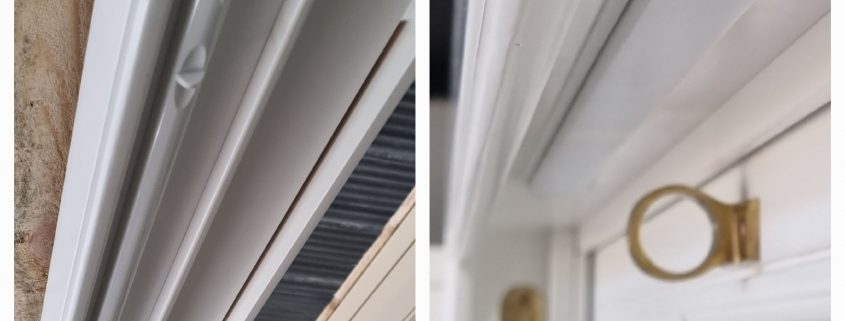
The standard position: trickle vents installed in the head (top) of the window frame. This is the most common approach for timber windows.

Advantages:

  • Straightforward installation
  • Good airflow distribution (warm air rises, fresh air enters high)
  • Doesn’t interfere with curtain rails in most cases

Disadvantages:

  • Visible from outside
  • Can affect appearance on period-style windows
  • May conflict with very shallow reveals

Jamb-Mounted Vents

Vents installed in the vertical sides (jambs) of the window frame. Less common but increasingly popular for heritage applications.

Advantages:

  • Less visually prominent from street level
  • Can be concealed behind curtains
  • Works well with deep reveals

Disadvantages:

  • Slightly more complex installation
  • May require wider frames
  • Can conflict with some hardware positions

Glazing Bar Integrated Vents

For Georgian-style windows with glazing bars, ventilation can be integrated into the bar structure. Specialist solution but available.

Advantages:

  • Almost invisible when closed
  • Maintains authentic glazing patterns
  • Excellent for heritage properties

Disadvantages:

  • More expensive
  • Limited airflow capacity
  • Not all manufacturers offer this option

Through-Frame Vents

Ventilation provided through the frame section itself rather than a visible grille. Various proprietary systems exist.

Advantages:

  • Minimal visual impact
  • Clean appearance

Disadvantages:

  • May not provide sufficient equivalent area for compliance
  • Often supplemented by conventional vents

Aesthetic Solutions for Period Properties

Balancing ventilation compliance with heritage appearance requires thought.

Colour Matching

Modern trickle vents are available in virtually any RAL colour. Matching the vent to the window frame colour makes it far less noticeable.

Standard options: White, cream, black, brown, grey

Bespoke matching: Any colour to match factory-finished frames

Never accept mismatched white vents on painted timber frames — colour-matched vents cost minimally more and dramatically improve appearance.

Canopy and Cover Options

Some trickle vents feature decorative covers or canopy designs that reduce the utilitarian appearance:

  • Curved canopy profiles
  • Traditional styling to complement period windows
  • Slimline profiles for minimal visual impact

Positioning Strategy

For multi-window rooms, concentrating trickle vents in less visible windows can satisfy compliance while minimising impact:

  • Prioritise vents in side or rear elevation windows
  • Use windows with deeper reveals where vents are less visible
  • Consider alternative ventilation for prominent front windows (see below)

Heritage Exemptions

Listed buildings and some conservation area properties may qualify for exemptions from trickle vent requirements. However:

  • Exemptions must be formally agreed with Building Control
  • You’ll need to demonstrate why compliance is impractical
  • Alternative ventilation provision may be required

Don’t assume exemption applies — confirm in writing before proceeding without trickle vents.

Alternatives to Trickle Vents

Trickle vents aren’t the only way to satisfy Part F requirements.

Night Vents and Restrictor Stays

Windows with lockable night vent positions — slightly open for ventilation but secure against intrusion — can contribute to background ventilation. However:

  • Building Control may not accept these as the sole solution
  • User behaviour affects actual ventilation rates
  • Security depends on quality restrictor stays

Night vents typically supplement rather than replace trickle vents.

Passive Stack Ventilation

Whole-dwelling passive ventilation systems use warm air’s natural buoyancy to draw fresh air through the building:

  • Fresh air enters through vents in habitable rooms
  • Stale air exits through ducts in kitchens and bathrooms
  • No mechanical power required

This can reduce or eliminate trickle vent requirements in windows but requires system design at the building stage — not a retrofit solution.

Mechanical Ventilation with Heat Recovery (MVHR)

MVHR systems provide controlled ventilation throughout the building:

  • Extract stale air from kitchens and bathrooms
  • Supply fresh filtered air to living spaces
  • Recover heat from exhaust air

With MVHR, trickle vents are typically not required — the system provides all background ventilation. Common in Passive House and low-energy builds.

Wall-Mounted Vents

Background ventilation can be provided through the wall rather than the window:

  • Acoustic trickle vents for noise-sensitive locations
  • Through-wall vents in deep reveals
  • Combined with window vents to achieve required equivalent area

This can preserve window appearance while satisfying ventilation requirements.

When Trickle Vents Aren’t Required

There are legitimate situations where trickle vents can be omitted.

Existing Provision Adequate

If your property already has adequate background ventilation through other means — existing wall vents, passive ventilation systems, or MVHR — additional trickle vents in windows may not be required. Building Control confirmation is essential.

Like-for-Like Replacement (Sometimes)

Replacing windows that never had trickle vents doesn’t always trigger a requirement to add them. The building’s existing ventilation provision may be deemed adequate. However, interpretation varies — many Building Control bodies now expect trickle vents regardless.

Non-Habitable Spaces

Rooms not classified as habitable — storage areas, garages, unheated conservatories — may not require the same ventilation provision. Confirm classification with Building Control.

FENSA and Competent Person Schemes

If your windows are installed through a FENSA registered installer or equivalent competent person scheme, they’re responsible for ensuring Building Regulations compliance — including ventilation. They’ll specify trickle vents where required.

Frequently Asked Questions

Are trickle vents a legal requirement for all new windows?

Not always, but usually. Since June 2022, Part F requires 8000mm² equivalent area of background ventilation per habitable room. If replacing windows that had trickle vents, replacements must maintain equivalent provision. If windows never had vents, requirements depend on interpretation — most Building Control bodies now expect compliance regardless.

Can I remove trickle vents from my windows?

You can close them, but removing them may create Building Regulations issues if you later sell or have building work inspected. More importantly, inadequate ventilation causes condensation, mould growth, and poor indoor air quality. Keep trickle vents and use them.

Do trickle vents cause draughts?

When closed, no. When open, they provide controlled background ventilation — not the uncontrolled draughts from ill-fitting windows. Modern trickle vents with acoustic baffles minimise cold air sensation while maintaining airflow. They shouldn’t create discomfort when properly specified.

What colour trickle vents are available?

Any colour. Standard options include white, cream, black, brown and various greys. Bespoke colour matching to any RAL reference is available for minimal extra cost. Always colour-match vents to your timber window finish for best appearance.

Do listed buildings need trickle vents?

Listed building consent may permit exemption from trickle vent requirements where compliance would harm heritage character. However, this must be formally agreed — don’t assume exemption applies. Alternative ventilation solutions may be required. Discuss with your conservation officer and Building Control before finalising specifications.

Conclusion

Trickle vents are a regulatory requirement for most new and replacement windows — but they needn’t ruin your windows’ appearance. Colour matching, considered positioning, and integrated designs can satisfy Part F compliance while maintaining aesthetic quality.

The key is addressing ventilation early in your window project. Assuming you can omit trickle vents, or adding them as an afterthought, leads to poor outcomes. Discuss ventilation requirements with your supplier and Building Control before finalising specifications.

At Timber Windows Direct, all our windows can be supplied with trickle vents to Building Regulations requirements. We offer colour-matched vents, heritage-sympathetic options, and advice on positioning for minimal visual impact. Request your free quote and let’s discuss your ventilation requirements.
planning permission

Planning Permission for Timber Windows: The Complete UK Guide

In this article, you’ll discover:

  • When planning permission is required for window replacement
  • How permitted development rights work — and when they’re removed
  • Specific requirements for conservation areas and listed buildings
  • The planning application process, costs and timescales
  • How to maximise your chances of approval
  • What to do if your application is refused

Introduction

“Do I need planning permission to replace my windows?” It’s one of the most common questions homeowners ask — and the answer is frustratingly complicated. It depends on where you live, what type of property you own, and sometimes on judgements about whether your proposals are “similar” to what’s already there.

Most window replacements don’t need planning permission. But when they do, getting it wrong has serious consequences: enforcement notices, mandatory removal of non-compliant windows, and significant financial loss.

We supply timber windows across the UK, from standard permitted development situations to complex listed building projects. This guide explains when permission is needed, how to apply, and how to avoid the common pitfalls.

When Is Planning Permission Required?

The rules vary significantly depending on your property type and location.

Standard Properties (Outside Conservation Areas)

For most houses outside conservation areas, window replacement is permitted development — no planning application needed. However, conditions apply:

  • Replacements must be “similar in appearance” to existing windows
  • Materials should be similar (though this is interpreted flexibly)
  • No projection beyond the existing building line

“Similar in appearance” is the key phrase. Replacing timber sash windows with timber sash windows clearly qualifies. Replacing timber sashes with uPVC casements probably doesn’t — the style change is too significant.

Conservation Areas

Conservation areas protect places of special architectural or historic interest. Permitted development rights are often restricted:

Without Article 4 direction: Like-for-like replacement may still be permitted development, but “similar in appearance” is interpreted more strictly. Timber for timber is expected.

With Article 4 direction: Planning permission required for window replacement, even like-for-like. Article 4 removes specific permitted development rights — check whether it covers windows on your property.

Most conservation areas now have Article 4 directions covering at least front elevations. Never assume — verify with your local planning authority.

Listed Buildings

Listed building consent is always required for window replacement in listed buildings, regardless of location. This is separate from (and additional to) planning permission.

The three grades have different implications:

  • Grade I (2.5% of listings): Buildings of exceptional interest. Extremely stringent requirements.
  • Grade II* (5.8%): Particularly important buildings. Very careful consideration required.
  • Grade II (91.7%): Buildings of special interest. Still requires consent but slightly more flexibility.

For listed buildings, expect detailed scrutiny of materials, design, profiles and construction methods. Timber is almost always required.

Flats and Maisonettes

Permitted development rights are more restricted for flats. External alterations visible from a highway typically require planning permission even outside conservation areas. Internal alterations affecting external appearance also need consideration.

In practice, most flat window replacements visible from public areas require permission.

Front Elevations

Some councils restrict permitted development rights for front elevations specifically, even outside conservation areas. The logic: front elevations define street character.

Check whether your council has specific policies on front elevation alterations.

Permitted Development: Understanding the Rules

Permitted development isn’t a free pass — it’s conditional.

What “Similar in Appearance” Means

The key test for permitted development window replacement. “Similar” doesn’t mean “identical,” but it does mean maintaining essential character:

Generally accepted as similar:

  • Timber sash replacing timber sash (same style)
  • Like-for-like casement replacement
  • Colour changes within similar ranges
  • Modern glazing in existing frames

Generally NOT accepted as similar:

  • Sash windows replaced with casements
  • Timber replaced with uPVC (in conservation areas especially)
  • Significant changes to glazing patterns
  • Altering window proportions substantially

When in doubt, seek confirmation from your local planning authority before proceeding.

Material Changes

Outside conservation areas, material changes (timber to uPVC, for example) may qualify as permitted development if the overall appearance is similar. In practice, enforcement is rare for straightforward replacements.

In conservation areas, material authenticity matters more. Timber to uPVC is typically not “similar” even if the style matches.

When Permitted Development Is Removed

Your permitted development rights may be removed by:

  • Article 4 directions — targeted removal of specific rights
  • Planning conditions — conditions on original planning permission removing future rights
  • National Park or AONB status — additional restrictions in designated landscapes
  • Building type — flats, commercial conversions, etc.

Check your property’s planning history and any area-wide restrictions.

The Planning Application Process

When permission is required, here’s what to expect.

Pre-Application Advice

Strongly recommended for conservation area and listed building applications. Most councils offer paid consultations (£50-£150) where you can:

  • Discuss proposals informally
  • Identify potential objections
  • Clarify documentation requirements
  • Get guidance on likelihood of approval

Pre-application advice significantly improves success rates and avoids wasted fees.

Required Documentation

A complete planning application typically includes:

Application form — Available from your council or the Planning Portal

Site location plan — 1:1250 or 1:2500 scale showing the property in context

Block plan — 1:500 or 1:200 showing the building footprint

Existing and proposed elevations — Scaled drawings (1:50 or 1:100) showing current and proposed windows

Design and access statement — Explaining your proposals and design rationale

Heritage statement — For listed buildings and sensitive conservation area applications

Photographs — Existing windows, building context, street scene

For listed building consent, additional detail on materials, profiles, and construction methods is expected.

Application Fees

Current fees (England, 2024/25):

Application TypeFee
Householder planning permission£206
Listed building consentFree
Certificate of lawfulness£103

Fees differ in Wales, Scotland and Northern Ireland. Listed building consent is free, but if planning permission is also required, you pay that fee.

Processing Timescales

Statutory targets:

  • Householder applications: 8 weeks
  • Listed building consent: 8 weeks
  • Applications requiring committee decision: 13 weeks

In practice:

  • Straightforward applications: 6-8 weeks
  • Complex applications: 10-12 weeks (with agreed extensions)
  • Committee applications: 12-16 weeks

You can track progress through your council’s online planning portal.

Maximising Approval Chances

These strategies significantly improve success rates.

Research Before Designing

Before finalising window specifications:

  • Study approved applications in your area (searchable on council planning portals)
  • Read the conservation area appraisal if applicable
  • Photograph windows on similar nearby buildings
  • Note what materials and styles the council has accepted

Specify Timber

For conservation areas and listed buildings, timber is the expected material. uPVC applications are routinely refused. Aluminium sometimes succeeds for 20th-century buildings but rarely for Victorian or earlier.

Specifying timber from the outset avoids wasted applications.

Match Historic Character

The closer your proposals match the building’s original character, the better:

  • Replicate original window styles if evidence exists
  • Use period-appropriate glazing patterns
  • Match historic profiles for glazing bars, horns, and mouldings
  • Specify appropriate ironmongery

Provide Quality Documentation

Poor drawings and incomplete applications create unnecessary delays and raise doubts about proposal quality:

  • Use professional drawings where possible
  • Include clear photographs
  • Write a coherent design statement
  • For listed buildings, provide detailed specifications

Engage Constructively

If officers raise concerns:

  • Respond promptly
  • Be willing to modify proposals
  • Ask specifically what would gain approval
  • Don’t become adversarial

Most refusals result from failure to engage, not fundamental objections.

If Your Application Is Refused

Refusal isn’t the final word.

Understanding Refusal Reasons

Refusal notices must state specific grounds. Common reasons include:

  • Inappropriate materials
  • Design incompatible with building character
  • Loss of historic fabric
  • Harm to conservation area character
  • Insufficient information

Understand exactly why the application failed before deciding next steps.

Options After Refusal

Resubmit with modifications — Free within 12 months if addressing refusal reasons. Often the most practical option.

Appeal — To the Planning Inspectorate within 6 months. Takes 6-12 months and succeeds in roughly 30-40% of cases. Only worthwhile if you believe the refusal was genuinely unreasonable.

Negotiate — Informal discussion may identify acceptable compromises. Officers prefer negotiated approvals to defended appeals.

Enforcement Risks

Installing windows without required permission creates enforcement risk:

  • No time limit for enforcement in conservation areas
  • Listed building enforcement has no time limit
  • Councils can require removal and reinstatement
  • Criminal prosecution possible for listed building offences

The risk isn’t theoretical — we’ve seen homeowners required to remove recently installed windows. Always confirm permission requirements before proceeding.

Frequently Asked Questions

Do I need planning permission to replace windows in my house?

Usually no — most window replacements are permitted development. However, permission is typically required in conservation areas with Article 4 directions, for listed buildings (always), for flats, and where proposals aren’t “similar in appearance” to existing windows. Check your specific situation with the local planning authority.

How much does planning permission for windows cost?

Householder planning permission costs £206 in England (2024/25). Listed building consent is free. Pre-application advice typically costs £50-£150 extra. Professional drawings and heritage statements may add further costs depending on complexity.

How long does planning permission take?

The statutory target is 8 weeks for householder applications. Simple applications may be decided in 6-7 weeks; complex ones take 10-12 weeks. Committee decisions take 12-16 weeks. Track progress through your council’s online planning portal.

What’s the difference between planning permission and listed building consent?

Planning permission controls development generally. Listed building consent specifically controls alterations to listed buildings that affect their character. For listed building window replacement, you need listed building consent (always) and may also need planning permission depending on other factors. Listed building consent is free; planning permission costs £206.

Can I replace timber windows with uPVC without permission?

Outside conservation areas, possibly — if the appearance is “similar.” In conservation areas, unlikely — uPVC applications are routinely refused. For listed buildings, almost certainly not. Timber is the safe choice for any heritage-sensitive context.

What happens if I install windows without planning permission?

The council can take enforcement action requiring removal of non-compliant windows and reinstatement of appropriate ones — at your expense. There’s no time limit for enforcement in conservation areas or for listed buildings. For listed buildings, criminal prosecution is also possible. Always confirm permission requirements before proceeding.

Conclusion

Most window replacements don’t need planning permission — but when they do, getting it right matters. Conservation areas, listed buildings, and flats all have specific requirements that must be understood and addressed.

The key is establishing requirements early. Check whether Article 4 directions apply, confirm listed building status, and seek pre-application advice for complex situations. Specifying appropriate timber windows from the outset avoids wasted applications and ensures proposals that satisfy planners and enhance your property.

At Timber Windows Direct, we manufacture bespoke timber windows for all contexts — from straightforward permitted development to demanding listed building projects. We provide detailed specifications, can supply drawings for planning applications, and advise on heritage-appropriate designs. Request your free quote and let’s discuss your planning requirements.

Conservation Area Window Replacement: The Complete Planning Guide

In this article, you’ll discover:

  • What Article 4 directions mean for your window replacement project
  • When planning permission is required — and when it isn’t
  • What conservation officers actually assess when reviewing applications
  • How to maximise your chances of planning approval
  • The application process, fees and typical timescales
  • What to do if your application is refused

Introduction

Replacing windows in a conservation area isn’t like replacing windows anywhere else. What would be straightforward permitted development elsewhere often requires formal planning permission, heritage impact assessments, and careful material specification.

Get it wrong, and you face enforcement action, mandatory removal of non-compliant windows, and significant financial loss. Get it right, and you end up with beautiful timber windows that enhance your property and satisfy the planning authority.

We supply timber windows to conservation areas across the UK — from Georgian Bath to Victorian Edinburgh, Edwardian suburbs to medieval market towns. We’ve seen applications approved and refused, and we know what makes the difference. This guide shares that experience to help you navigate the process successfully.

Understanding Article 4 Directions

The phrase “Article 4 direction” confuses many homeowners. Here’s what it actually means and why it matters.

What Article 4 Does

Normally, certain home improvements fall under “permitted development” — you can do them without applying for planning permission. Replacing windows is usually permitted development, provided replacements are similar in appearance to the originals.

An Article 4 direction removes specific permitted development rights. When an Article 4 direction applies to your property, work that would otherwise be permitted now requires a planning application.

Why Councils Use Article 4

Conservation areas protect places of special architectural or historic interest. But permitted development rights can undermine that protection — if every homeowner replaces timber sash windows with white uPVC, the area’s character erodes gradually.

Article 4 directions give councils control over changes that would otherwise slip through. They’re particularly common for:

  • Front elevation alterations
  • Window and door replacements
  • Roof changes
  • External painting in some areas

How to Check If Article 4 Applies

Your local planning authority’s website should list all Article 4 directions in force. Search for “Article 4” plus your council name, or contact the planning department directly.

Key things to establish:

  • Does an Article 4 direction cover your property?
  • What specific works does it control?
  • Does it apply to all elevations or just street-facing ones?

Don’t assume. Properties on the same street may have different restrictions depending on exactly where Article 4 boundaries fall.

When Do You Need Planning Permission?

The rules vary depending on your property’s status and the scope of work.

Conservation Areas Without Article 4

If your conservation area doesn’t have an Article 4 direction covering windows, you may be able to replace windows under permitted development — provided:

  • Replacements are similar in appearance to existing windows
  • Materials are similar (timber for timber, typically)
  • Proportions and glazing patterns match

“Similar” is the key word. Planning officers interpret this differently. Some accept modern timber casements replacing Victorian sashes as “similar” (both timber); others consider the style change too significant.

Conservation Areas With Article 4

If Article 4 applies to windows on your property, you need planning permission. No exceptions. Even like-for-like timber replacement requires an application if Article 4 covers it.

Listed Buildings

Listed building consent is always required for window replacement in listed buildings, regardless of conservation area status. This is separate from (and additional to) planning permission.

Grade I and II* buildings face particularly stringent requirements. Grade II buildings have slightly more flexibility but still require formal consent.

Flats and Maisonettes

Permitted development rights are more restricted for flats. Even outside conservation areas, external alterations visible from a highway often require permission. In conservation areas, assume you need permission for any window changes.

What Planning Officers Assess

Understanding assessment criteria helps you prepare stronger applications.

Materials

This is usually straightforward in conservation areas: timber is expected. uPVC applications are almost universally refused. Aluminium occasionally succeeds for 20th-century buildings but rarely for Victorian or earlier properties.

What officers look for:

  • Timber species appropriate to the building’s age and status
  • Painted finishes (not stained) for most periods
  • Colour sympathetic to the building and area

Design and Proportions

Officers assess whether proposed windows respect the building’s character:

  • Glazing pattern: Does it match the original? Six-over-six for Georgian, two-over-two for Victorian, etc.
  • Proportions: Are sashes equally sized? Is the height-to-width ratio appropriate?
  • Details: Glazing bar profiles, horn details (or absence), hardware style
  • Opening method: Sash, casement, or other — matching what was historically present

Heritage Impact

For significant buildings or sensitive locations, officers consider wider heritage impact:

  • Does the proposal preserve or enhance the conservation area’s character?
  • Are any original historic windows being lost?
  • What precedent might approval set for neighbouring properties?

Technical Compliance

Applications must also demonstrate:

  • Compliance with Building Regulations Part L (thermal performance)
  • Adequate ventilation provision
  • Fire escape compliance where relevant

The Application Process

Here’s what to expect when applying for planning permission.

Pre-Application Advice

Most councils offer pre-application advice — a paid consultation where you discuss proposals before formal submission. This typically costs £50-£150 and is strongly recommended for conservation area applications.

Pre-application advice:

  • Identifies potential objections early
  • Clarifies what information the council needs
  • Provides informal guidance on likelihood of success
  • May suggest modifications to improve chances

Preparing Your Application

A strong application includes:

Completed application form — Available online from your council or the Planning Portal.

Location and site plans — Showing the property in context.

Existing and proposed elevations — Drawings showing current windows and proposed replacements. Scale drawings (1:50 or 1:100) are expected.

Design and access statement — Explaining your proposals and how they respect heritage character. This doesn’t need to be lengthy but should address materials, design rationale, and heritage considerations.

Heritage statement — For significant buildings or sensitive locations. Explains how proposals preserve or enhance heritage significance.

Photographs — Existing windows, overall building, street context.

Application Fees

Planning application fees for householder applications are currently £206 in England (2024/25). Fees differ in Wales, Scotland, and Northern Ireland.

Listed building consent applications are free, but you still pay the planning fee if planning permission is also required.

Processing Time

Councils have 8 weeks to determine householder planning applications. In practice:

  • Simple applications may be decided in 6-7 weeks
  • Complex applications may take longer (with your agreement)
  • Applications requiring committee decision take 10-12 weeks

You can check progress through your council’s online planning portal.

Maximising Approval Chances

These practical steps significantly improve success rates.

Do Your Research First

Before designing proposals:

  • Study other windows in the conservation area
  • Photograph examples of windows the council has approved
  • Review recent planning decisions for similar applications
  • Read the conservation area appraisal (most councils publish these)

Match Historic Character

The more closely your proposals match the building’s historic character, the better:

  • If evidence of original windows exists (photos, surviving examples), replicate them
  • Match neighbouring historic buildings if your windows have been previously replaced
  • Use period-appropriate details (glazing bar profiles, furniture, glass type)

Commission Quality Drawings

Poor drawings undermine good proposals. Either:

  • Use a professional architectural technician
  • Provide very clear, dimensioned sketches with photographs
  • Ask your window supplier for detailed specifications

We provide detailed window schedules and can supply CAD drawings showing proposed windows to scale.

Write a Convincing Heritage Statement

Your heritage statement should explain:

  • Why timber windows are appropriate (material authenticity)
  • How the design respects the building’s period (specific details)
  • Why the proposals preserve or enhance the conservation area
  • How thermal performance will be achieved without compromising appearance

Engage Proactively

If officers raise concerns during the application:

  • Respond promptly and constructively
  • Be willing to modify proposals
  • Ask specifically what would make the application acceptable

Most refusals result from applicants failing to engage with officer feedback.

If Your Application Is Refused

Refusal isn’t necessarily the end.

Understand the Reasons

Refusal notices must state specific reasons. Common grounds include:

  • Inappropriate materials (uPVC in historic area)
  • Design incompatible with building character
  • Loss of historic fabric without justification
  • Insufficient information to assess heritage impact

Options After Refusal

Resubmit with modifications — Free within 12 months if addressing refusal reasons. Often the pragmatic choice.

Appeal — You can appeal to the Planning Inspectorate within 6 months. Appeals take 6-12 months and succeed in roughly 30-40% of cases. Only appeal if you genuinely believe the refusal was unreasonable.

Negotiate — Sometimes informal discussion identifies a compromise. Officers generally prefer approving amended schemes to fighting appeals.

Avoiding Refusal in the First Place

The best strategy is getting it right initially:

  • Take pre-application advice seriously
  • Specify timber from the outset
  • Provide complete, high-quality documentation
  • Engage constructively with any queries

Frequently Asked Questions

Do I need planning permission to replace windows in a conservation area?

It depends on whether an Article 4 direction applies. Without Article 4, like-for-like replacement may be permitted development. With Article 4, planning permission is required even for identical replacements. Listed buildings always require listed building consent regardless of conservation area status. Check your specific situation with the local planning authority.

How long does planning permission for windows take?

The statutory target is 8 weeks for householder applications. Simple applications may be decided in 6-7 weeks; complex ones may take longer. Applications requiring planning committee decision take 10-12 weeks. You can monitor progress through your council’s online planning portal.

How much does planning permission for windows cost?

The application fee is currently £206 in England for householder planning permission. Listed building consent is free, but you’ll pay the planning fee if both are required. Pre-application advice (recommended) typically costs £50-£150 extra. Professional drawings or heritage statements may add further costs depending on complexity.

Can I use uPVC windows in a conservation area?

Almost never successfully. Conservation officers expect traditional materials in historic areas, and uPVC applications are routinely refused. Even where Article 4 doesn’t apply, uPVC may not qualify as “similar in appearance” to timber originals. Timber is the safe choice for conservation area window replacement.

What happens if I replace windows without planning permission?

The council can take enforcement action requiring you to remove non-compliant windows and reinstate appropriate ones — at your expense. There’s no time limit for enforcement in conservation areas for works that require permission. The financial and practical consequences can be severe. Always confirm permission requirements before proceeding.

What if the previous owner installed uPVC windows?

This doesn’t create a precedent entitling you to install more uPVC. Planning decisions are made on current policy, not past mistakes. If replacing existing uPVC windows, you may still need permission, and timber replacements will likely be required. Some homeowners use window replacement as an opportunity to restore historic character.

Conclusion

Conservation area window replacement requires more care than standard projects, but the process is navigable with proper preparation. Understanding Article 4 directions, assembling strong applications, and specifying appropriate timber windows gives you the best chance of approval.

The investment in doing this properly pays off. Quality timber windows enhance your property’s value, satisfy planning requirements, and contribute positively to the conservation area’s character. Rush it or cut corners, and you risk refusal, enforcement, and costly remediation.

At Timber Windows Direct, we manufacture bespoke timber windows specifically designed for conservation area and heritage properties. We can provide detailed specifications, technical drawings, and advice on planning requirements. Request your free quote and let’s discuss your conservation area project.

Triple Glazing vs Double Glazing: What’s Best for Timber Windows?

In this article, you’ll discover:

  • The real U-value difference between double and triple glazing
  • Why triple glazing costs 30-40% more — and whether that premium is justified
  • How glazing choice affects timber frame design and weight
  • When triple glazing genuinely makes sense in UK homes
  • The noise reduction benefits most people overlook
  • Honest advice on what we recommend for most customers

Introduction

“Should I go for triple glazing?” It’s one of the most common questions we get asked. And the honest answer frustrates people: it depends.

Triple glazing has become something of a status symbol. It sounds better, it’s what Scandinavians use, and surely three panes must outperform two? The reality is more nuanced. For most UK homes, quality double glazing delivers excellent performance at significantly lower cost. But there are situations where triple glazing genuinely earns its premium.

We’ve manufactured timber windows with both glazing types for over a decade. We’ve seen the energy bills, heard the customer feedback, and know which properties benefit most from each option. This guide cuts through the marketing to help you make an informed decision based on your specific circumstances.

Understanding U-Values: The Numbers That Matter

Before comparing glazing options, you need to understand what you’re actually measuring.

What U-Value Means

U-value measures how quickly heat passes through a material — lower numbers mean better insulation. It’s expressed in watts per square metre per degree Kelvin (W/m²K).

Building Regulations Part L requires replacement windows to achieve a whole-window U-value of 1.4 W/m²K or better. That’s the legal minimum, not the aspiration.

Double Glazing U-Values

Quality double glazed timber windows typically achieve:

  • Standard double glazing: 1.4-1.6 W/m²K
  • Double with low-E glass and argon: 1.2-1.4 W/m²K
  • High-performance double glazing: 1.0-1.2 W/m²K

With low-E glass and argon fill, double glazing comfortably exceeds Building Regulations requirements.

Triple Glazing U-Values

Triple glazed timber windows typically achieve:

  • Standard triple glazing: 0.9-1.1 W/m²K
  • High-performance triple glazing: 0.7-0.9 W/m²K
  • Passive house specification: 0.6-0.8 W/m²K

The improvement from double to triple is real — roughly 0.3-0.5 W/m²K better. But that improvement comes at a cost.

The Diminishing Returns Problem

Here’s what the numbers don’t immediately show: the relationship between U-value and heat loss isn’t linear in terms of real-world impact.

Going from single glazing (5.0 W/m²K) to double glazing (1.4 W/m²K) cuts heat loss by approximately 72%. Going from double (1.4 W/m²K) to triple (0.8 W/m²K) cuts the remaining heat loss by a further 43% — but that’s 43% of the already-reduced figure.

In practical terms, the jump from single to double is transformative. The jump from double to triple is incremental.

Cost Analysis: Is Triple Glazing Worth the Premium?

Let’s talk money — because that’s ultimately what drives most decisions.

The Price Difference

Triple glazing typically costs 30-40% more than equivalent double glazing. For a typical house with 10 windows, that might mean:

Glazing TypeApproximate CostDifference
Double glazed timber£6,000-£8,000Baseline
Triple glazed timber£7,800-£11,200+£1,800-£3,200

That premium buys you better thermal performance — but how long until energy savings recoup the investment?

Payback Period Reality

This is where triple glazing economics get uncomfortable. Based on current energy prices and typical UK heating patterns:

  • Annual energy saving (triple vs double): £50-£100 per year for an average house
  • Additional cost for triple glazing: £2,000-£3,000
  • Simple payback period: 20-60 years

That payback calculation assumes energy prices stay constant (they won’t), your heating system efficiency stays constant (it won’t), and nothing else changes. The honest truth: you’re unlikely to recover the triple glazing premium through energy savings alone within a typical ownership period.

When Cost-Benefit Favours Triple

The pure economics shift in specific circumstances:

  • New builds with whole-house efficiency targets — where triple glazing contributes to overall SAP ratings
  • Passive house or ultra-low energy projects — where every decimal point of U-value matters for certification
  • Properties with very large glazed areas — where the absolute heat loss through windows is significant
  • Situations where you’re already replacing windows — the marginal cost of upgrading is lower than retrofitting later

Weight and Frame Implications for Timber Windows

Triple glazing isn’t just more expensive — it’s physically heavier. That matters for timber window design.

The Weight Difference

Typical glazing unit weights:

  • Double glazing (4-16-4 configuration): 20 kg/m²
  • Triple glazing (4-12-4-12-4 configuration): 30 kg/m²

That’s 50% more weight. For a large sash window, triple glazing might add 15-20kg to each sash.

Impact on Sash Windows

Heavier sashes require:

  • Stronger cords or balances — traditional sash weights need to be heavier, spiral balances need higher ratings
  • Reinforced meeting rails — the joint where sashes meet takes more stress
  • Consideration of ease of operation — heavier sashes are harder to move, particularly for elderly users

For sash windows, this weight penalty is a genuine consideration. We’ve had customers request triple glazing then switch to double after handling the prototypes.

Impact on Casement Windows

Casement windows handle additional weight better than sashes, but still require:

  • Heavier-duty hinges — standard friction stays may not cope long-term
  • Potentially wider frames — to accommodate thicker glazing units (typically 36-44mm vs 24-28mm for double)
  • Adjusted hardware specification — handles and locks rated for heavier sashes

Frame Depth Requirements

Triple glazing units are thicker:

  • Double glazing: 24-28mm typical
  • Triple glazing: 36-44mm typical

Your frame depth must accommodate this. Engineered timber frames of 68mm+ depth handle triple glazing comfortably. Slimmer heritage profiles may struggle.

Noise Reduction: The Overlooked Benefit

Here’s something that rarely features in glazing comparisons but matters enormously to people who live with the results: noise.

How Glazing Affects Sound

Sound reduction depends on:

  • Mass — heavier panes block more sound
  • Air gaps — wider cavities improve acoustic performance
  • Asymmetric configurations — different pane thicknesses break up sound transmission

Double vs Triple for Noise

Standard configurations:

  • Double glazing (4-16-4): ~30-32 dB reduction
  • Triple glazing (4-12-4-12-4): ~35-40 dB reduction

That 5-10 dB difference is perceptually significant — roughly halving the apparent loudness.

When Acoustic Performance Matters

If your property faces:

  • Busy roads
  • Railway lines
  • Flight paths
  • Nightlife areas
  • Industrial premises

The acoustic benefit of triple glazing may justify the premium regardless of thermal calculations. We’ve had customers in London and Manchester specifically request triple glazing for noise reduction, with thermal performance as a bonus.

Acoustic-Specific Alternatives

For pure noise reduction, specialist acoustic double glazing (asymmetric panes, acoustic interlayers) sometimes outperforms standard triple at lower cost and weight. Discuss your specific noise issues with us — the optimal solution isn’t always obvious.

UK Climate Considerations

The UK isn’t Scandinavia. Our maritime climate has different characteristics that affect glazing choices.

Why Scandinavians Use Triple Glazing

Nordic countries experience:

  • Winter temperatures of -20°C to -30°C for extended periods
  • Short winter days with minimal solar gain
  • Long heating seasons (September to May)
  • Energy prices that historically favoured maximum insulation

In that context, triple glazing’s superior U-values deliver meaningful savings over decades.

UK Climate Reality

British winters are milder:

  • Typical winter temperatures: 0°C to 10°C
  • Significant solar gain even in winter (cloudy, but not dark)
  • Heating season roughly October to April
  • Relatively high energy prices, but shorter demand period

The thermal difference between double and triple glazing matters less when the temperature differential across the window is smaller. A window losing heat at -20°C loses far more than the same window at +5°C.

Our Honest Recommendation

For most UK homes, high-performance double glazing (low-E glass, argon fill, warm-edge spacers) delivers optimal value. The U-values are excellent, the cost is reasonable, and the weight allows traditional window proportions.

Triple glazing makes sense for:

  • Passive house and ultra-low energy builds
  • Properties with exceptional noise exposure
  • North-facing elevations with minimal solar gain
  • Clients prioritising maximum performance regardless of payback
  • Listed buildings or conservation areas where replacing windows is difficult (maximise performance when you do replace)

Frequently Asked Questions

Is triple glazing worth the extra cost in the UK?

For most UK homes, no — high-performance double glazing delivers 85-90% of the thermal benefit at 60-70% of the cost. Payback periods for the triple glazing premium typically exceed 20 years. However, triple glazing makes sense for passive house projects, properties with severe noise exposure, or homeowners prioritising maximum performance over pure economics.

What’s the U-value difference between double and triple glazing?

Quality double glazing achieves 1.2-1.4 W/m²K; triple glazing achieves 0.7-0.9 W/m²K — roughly 0.4-0.5 better. Both comfortably exceed Building Regulations requirements (1.4 W/m²K). The improvement is real but subject to diminishing returns: going from single to double cuts heat loss by ~72%, while double to triple cuts the remaining loss by ~43%.

Does triple glazing reduce noise better than double?

Yes, noticeably. Standard triple glazing provides 35-40 dB noise reduction versus 30-32 dB for double — roughly halving perceived loudness. For properties facing busy roads, railways, or flight paths, the acoustic benefit often justifies the premium independently of thermal considerations. Specialist acoustic double glazing is an alternative worth discussing.

Can my timber frames accommodate triple glazing?

Frame depth is critical. Triple glazing units are 36-44mm thick versus 24-28mm for double. Frames need 68mm+ depth to accommodate triple glazing comfortably. Weight is also a factor — triple glazing weighs ~50% more, requiring stronger hinges and balances, particularly for sash windows. Discuss frame specifications before committing.

How much heavier is triple glazing than double?

Approximately 50% heavier — 30 kg/m² versus 20 kg/m². For a large sash window, that might add 15-20kg per sash. This affects ease of operation (particularly for elderly users), hardware specification, and long-term wear on moving parts. Casement windows handle the weight better than sliding sashes.

Does triple glazing affect window appearance?

Minimally, but noticeably if you look closely. Thicker glazing units create slightly different reflections and may require wider frames. For heritage properties where slim profiles matter, this can be a consideration. Modern triple-glazed units have improved significantly — the “triple-glazed look” of early products is largely gone.

Conclusion

Triple glazing delivers genuine performance improvements — better U-values, superior noise reduction, and maximum thermal efficiency. But for most UK homes, those improvements don’t justify the 30-40% cost premium when measured against likely energy savings.

High-performance double glazing with low-E coatings, argon fill, and warm-edge spacers represents the sweet spot for British conditions. It exceeds Building Regulations comfortably, performs excellently in our maritime climate, and keeps costs and weight manageable.

The exceptions are real: passive house projects, noise-sensitive locations, and clients prioritising maximum performance over payback calculations. For these situations, triple glazing earns its premium.

At Timber Windows Direct, we manufacture both double and triple glazed timber windows — and we’ll give you honest advice on which suits your specific project. Request your free quote and let’s discuss what makes sense for your home.