
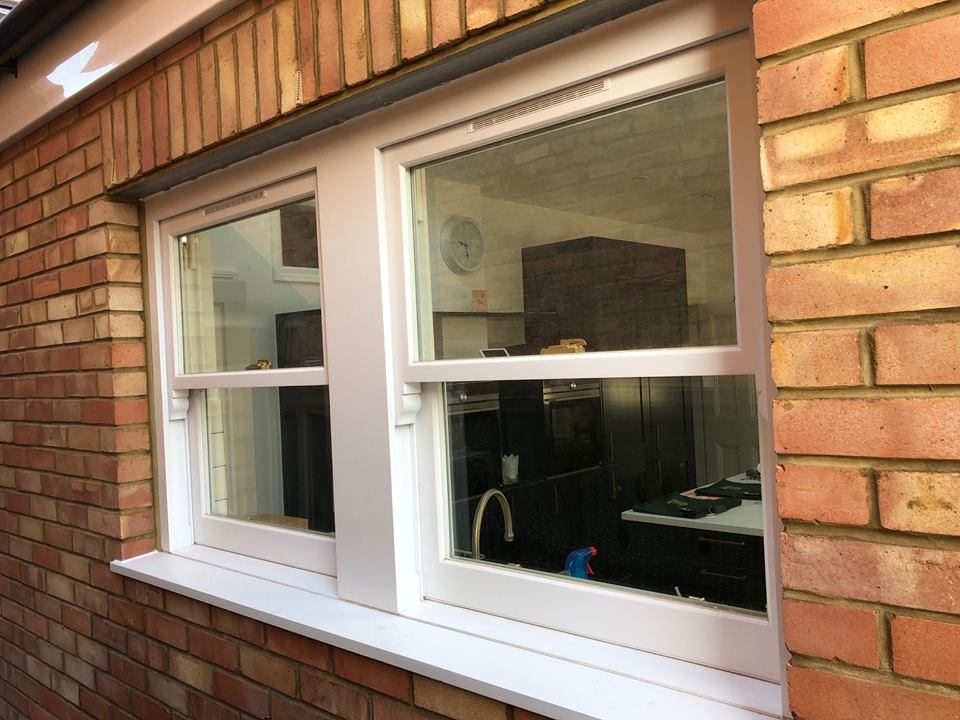
Hardwood Windows: The Complete Species Comparison Guide
In this article, you’ll discover:
- How oak, accoya, meranti, iroko and sapele actually compare
- Durability ratings and what they mean for real-world performance
- Why the most expensive hardwood isn’t always the best choice
- Sustainability credentials for each species
- Realistic cost comparisons and warranty expectations
- Which hardwood suits your specific project
Introduction
“I want hardwood windows” is something we hear weekly. But hardwood isn’t a single material — it’s a category containing dozens of species with dramatically different properties. Oak and meranti are both hardwoods, yet they differ in durability, appearance, workability, cost and environmental impact.
Choosing the wrong species wastes money. Choosing the right one means windows that last generations.
The challenge? Most information online is either oversimplified (“oak is best”) or buried in forestry jargon that doesn’t help homeowners make practical decisions. This guide cuts through both problems.
We’ve manufactured timber windows in several major hardwood species. We know how each machines, how each finishes, and how each performs in British weather over years and decades. Here’s what actually matters when comparing hardwood windows.
Understanding Durability Classifications
Before comparing individual species, you need to understand how durability is measured. The European standard EN 350 classifies timber into five durability classes based on resistance to fungal decay.
The EN 350 Durability Scale
| Class | Rating | Typical Lifespan (Exterior) | Examples |
| 1 | Very durable | 25+ years untreated | Teak, iroko |
| 2 | Durable | 15-25 years untreated | Oak, meranti (some) |
| 3 | Moderately durable | 10-15 years untreated | Pine (some), sapele |
| 4 | Slightly durable | 5-10 years untreated | Spruce |
| 5 | Not durable | <5 years untreated | Beech, birch |
Here’s what many suppliers won’t tell you: these ratings assume untreated timber in ground contact. For windows — which are above ground, protected by design, and always finished — even Class 3 timbers perform excellently. The classification matters, but it’s not the whole story.
What Really Affects Window Longevity
Three factors matter more than raw durability class:
Design. Water must drain, not pool. Proper weathering details, adequate drip grooves, and sensible sill design matter enormously.
Finish. Quality microporous paint systems protect the timber from moisture while allowing it to breathe. Factory-applied finishes outperform site-applied alternatives.
Maintenance. Any hardwood window will fail eventually if paint breakdown is ignored. Any hardwood window will last generations with basic periodic care.
Oak: The Traditional British Choice
Oak is the default hardwood in most people’s minds — and for good reason. European oak (Quercus robur and Q. petraea) has been used for British buildings since medieval times.
Properties and Performance
Oak offers exceptional natural durability (EN 350 Class 2). The dense grain structure resists moisture penetration and fungal attack without chemical treatment. Properly maintained oak windows routinely last 60-80 years; many survive far longer.
The wood machines well but requires sharp tooling — oak is hard and can blunt cutters quickly. It accepts all finish types, from traditional linseed oil to modern microporous paints.
Appearance
Oak has distinctive grain with prominent medullary rays visible on quartersawn surfaces. Colour ranges from pale straw to mid-brown depending on origin. Left unfinished, oak silvers to an attractive grey patina over years.
Sustainability
European oak is generally well-managed and widely available from FSC or PEFC certified sources. It’s a genuinely sustainable choice when responsibly sourced.
Cost and Value
Oak commands premium pricing — typically 50-70% more than engineered softwood and 30-40% more than meranti. For period properties, heritage restoration, and homeowners prioritising maximum longevity, that premium is usually justified.
Best for: Listed buildings, heritage properties, conservation areas, maximum lifespan priority, traditional aesthetics.
Meranti: The Practical Hardwood
Meranti has become increasingly popular as a middle-ground option — hardwood performance at a more accessible price point.
Properties and Performance
Meranti’s durability varies by species within the Shorea genus. Dark red meranti typically achieves EN 350 Class 2-3, offering 40-50 year lifespans with proper maintenance. It’s more dimensionally stable than oak, which makes it excellent for precision joinery.
The timber machines beautifully — clean cuts, minimal tearing, excellent screw-holding capacity. It accepts finishes well and rarely causes problems during manufacturing.
Appearance
Meranti has a straighter, more uniform grain than oak. Colour ranges from pale pink to deep reddish-brown. It doesn’t have oak’s distinctive character, but many homeowners prefer the cleaner, more consistent appearance.
Sustainability
This requires attention. Meranti comes from Southeast Asian tropical forests where illegal logging remains a problem. Always verify FSC certification and supply chain traceability. Reputable suppliers can demonstrate legal, sustainable sourcing — ask for documentation.
Cost and Value
Meranti typically costs 20-30% more than engineered softwood but 30-40% less than oak. For conservation areas where hardwood appearance is preferred but budgets are realistic, meranti hits the sweet spot.
Best for: Conservation areas, mid-range budgets, clean modern aesthetics, dimensional stability priority.
Accoya: Modified Wood, Exceptional Performance
Accoya isn’t a species — it’s a branded modified wood product. Radiata pine undergoes acetylation, a non-toxic process that permanently changes the wood’s cell structure to achieve Class 1 durability.
Properties and Performance
Accoya achieves durability ratings matching or exceeding teak. The modification process makes the timber extremely dimensionally stable — it barely moves with moisture changes. This translates to windows that maintain tight tolerances, seals that stay effective, and paint finishes that last longer.
Appearance
Accoya looks like the Radiata pine it’s made from — pale, straight-grained, uniform. It doesn’t have the character of oak or the warmth of meranti. Most Accoya windows are painted rather than stained.
Sustainability
Accoya scores highly on sustainability. The base timber comes from FSC-certified fast-growing plantations. The acetylation process uses acetic acid (essentially vinegar) with no toxic chemicals. And the exceptional longevity means fewer replacement cycles over a building’s lifetime.
Cost and Value
Accoya commands premium pricing similar to oak. The justification is longevity, dimensional stability, and sustainability credentials rather than traditional aesthetics.
Best for: Exposed coastal locations, sustainability priority, maximum dimensional stability, contemporary designs, clients who value warranties.
Iroko: African Durability
Iroko (Milicia excelsa) is sometimes called “African teak” — a comparison that’s broadly accurate for durability if not botanical accuracy.
Properties and Performance
Iroko achieves EN 350 Class 1-2 durability — genuinely exceptional. It contains natural oils that resist moisture and fungal attack without treatment. The timber is hard-wearing and performs excellently in exposed locations.
However, iroko can be challenging to machine. Interlocked grain causes tearing, and the natural oils can affect paint adhesion. It requires experienced manufacturing.
Appearance
Iroko has a warm golden-brown colour that darkens over time. Grain is typically interlocked with a medium texture. It’s attractive but lacks oak’s distinctive character.
Sustainability
Iroko availability has declined due to overharvesting. FSC-certified sources exist but require careful verification. Some specifiers now avoid iroko on sustainability grounds, preferring meranti for comparable durability.
Cost and Value
Iroko sits between meranti and oak on price. Given sustainability concerns and manufacturing challenges, we generally recommend alternatives unless iroko is specifically required.
Best for: Very exposed locations, clients who specifically want iroko aesthetics, situations where exceptional untreated durability matters.
Sapele: The Mahogany Alternative
Sapele (Entandrophragma cylindricum) offers mahogany-like aesthetics at a lower price point. It’s popular for high-end joinery including windows.
Properties and Performance
Sapele achieves EN 350 Class 3 durability — moderately durable. That’s lower than oak or iroko, but perfectly adequate for well-designed, well-finished windows. Expect 35-45 year lifespans with proper maintenance.
The timber machines reasonably well, though interlocked grain requires care to avoid tearing. It accepts finishes well and produces attractive results.
Appearance
Sapele has a rich reddish-brown colour with distinctive ribbon-stripe figure on quartersawn surfaces. It’s genuinely beautiful timber that many homeowners prefer aesthetically to oak.
Sustainability
Sapele faces similar concerns to other African hardwoods. FSC certification is available and should be required. Supply chain verification matters.
Cost and Value
Sapele typically costs slightly less than meranti. For homeowners prioritising aesthetics and willing to accept slightly lower durability ratings, it’s worth considering.
Best for: Stained finishes showcasing natural beauty, mahogany aesthetics, protected locations, aesthetic priority over maximum durability.
Species Comparison Table
| Species | Durability Class | Typical Lifespan | Relative Cost | Stability | Best Application |
| Oak | 2 | 60-80 years | ££££ | Good | Heritage, listed buildings |
| Meranti | 2-3 | 40-50 years | £££ | Very good | Conservation areas, all-rounder |
| Accoya | 1 | 50+ years | ££££ | Excellent | Coastal, exposed, contemporary |
| Iroko | 1-2 | 50-60 years | £££-££££ | Good | Very exposed locations |
| Sapele | 3 | 35-45 years | ££-£££ | Good | Stained finishes, protected locations |
How to Choose the Right Hardwood
Matching species to application prevents expensive mistakes.
For Listed Buildings and Heritage Restoration
Oak is almost always the appropriate choice. Planning authorities expect historically accurate materials, and oak was the traditional hardwood for quality joinery. The premium cost is justified — and often required.
For Conservation Areas
Meranti or oak both work well. If budget permits, oak provides maximum authenticity. If budget is realistic, meranti offers hardwood appearance at lower cost. Either satisfies most conservation officers.
For Exposed or Coastal Locations
Accoya excels here. Its exceptional dimensional stability handles the constant moisture cycling of coastal environments better than any natural hardwood. Iroko is an alternative if you prefer natural timber.
For Modern Architectural Projects
Accoya’s clean appearance and sustainability credentials suit contemporary designs. Painted finishes work better than stained on most hardwoods anyway, making accoya’s plain grain irrelevant.
For Maximum Value
Meranti delivers hardwood performance at the most accessible hardwood price point. If you want engineered timber performance with hardwood durability, meranti is typically the answer.
Frequently Asked Questions
What’s the most durable hardwood for windows?
Accoya and iroko both achieve EN 350 Class 1 durability — the highest rating. In practical terms, properly maintained oak, meranti, accoya and iroko all last 40-60+ years. Design quality, finish specification and maintenance consistency matter more than raw durability class. Don’t choose purely on durability class.
Is oak worth the extra cost?
For heritage properties, listed buildings and conservation areas where authenticity matters, yes. For modern homes where appearance is less constrained, meranti or accoya often provide better value. Oak makes sense when traditional aesthetics or maximum lifespan are priorities. It makes less sense when other species perform equally well for your application.
How do hardwood windows compare to engineered softwood?
Hardwoods offer greater natural durability and typically require less frequent maintenance. Engineered softwood offers excellent dimensional stability at lower cost. For most modern applications, engineered softwood performs admirably at 30-40% lower cost. Hardwood makes sense for conservation areas, period properties, or homeowners prioritising maximum longevity.
What about tropical hardwood sustainability?
Sustainability varies enormously. Always require FSC or PEFC certification with chain-of-custody documentation. Meranti and sapele are sustainable when properly sourced; illegally logged timber remains a problem in some supply chains. Accoya offers an alternative: exceptional durability from sustainably managed softwood plantations. Ask your supplier for certification evidence.
Do hardwood windows need different maintenance than softwood?
The maintenance process is identical: inspect annually, touch up damage promptly, full redecoration every 8-15 years. Hardwoods typically extend the interval slightly — their denser structure holds finishes longer. But the principle remains: any timber window needs periodic attention. The advantage of hardwood is greater forgiveness if you delay maintenance slightly.
Which hardwood is best for painted finishes?
Oak, meranti and accoya all accept paint well. Sapele and iroko can be more challenging — their interlocked grain and natural oils sometimes affect adhesion. For painted windows, accoya’s uniform texture provides the cleanest results. For stained finishes showcasing natural grain, sapele or oak are superior choices.
What warranties should I expect on hardwood windows?
Quality manufacturers offer 5-20 year warranties depending on species and specification. Accoya products typically carry 20-year warranties due to the modification process. Warranty length matters less than warranty terms — read the conditions carefully. Warranties requiring annual professional inspection may not represent genuine confidence in the product.
Conclusion
Hardwood windows represent a long-term investment in your property. Oak delivers traditional aesthetics and maximum longevity. Meranti offers hardwood performance at an accessible price. Each has its place.
The right choice depends on your property type, location, aesthetic preferences and budget. Conservation areas typically need oak or meranti. Exposed locations suit accoya or iroko. Modern projects can choose based on sustainability and value criteria.
At Timber Windows Direct, we manufacture bespoke hardwood windows in oak and meranti — made to order for your specific openings with factory-applied finishing. Our team can advise on species selection based on your project requirements.
Get your free quote and let’s discuss which hardwood works best for your windows.


Leave a Reply
Want to join the discussion?Feel free to contribute!