
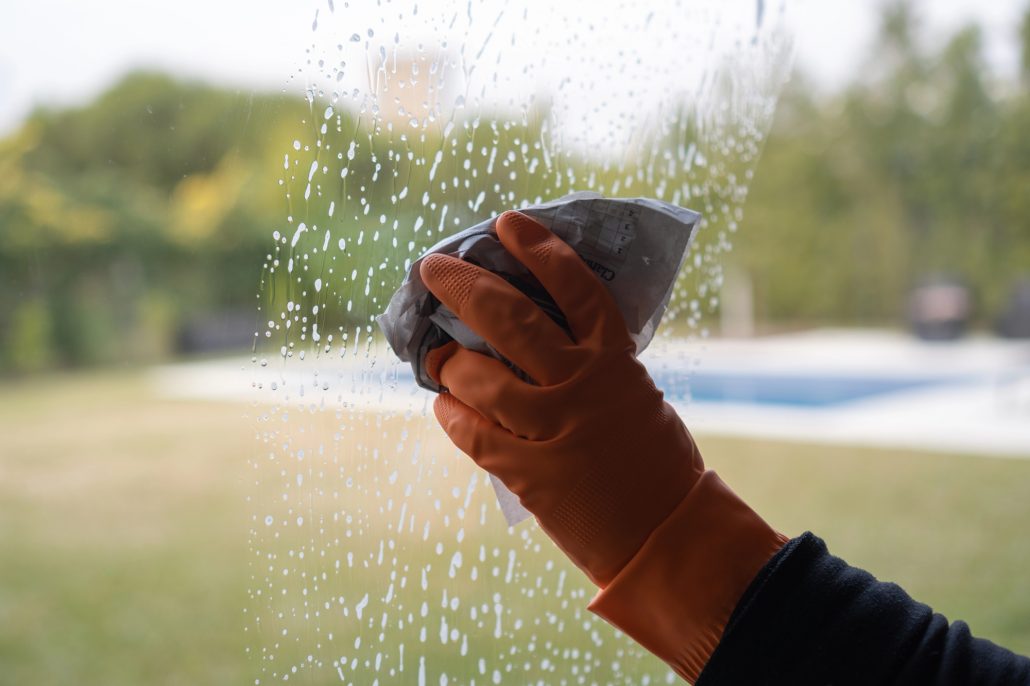
How to Clean Timber Windows Without Damage
In this article, you’ll discover:
- The only two products most timber windows need
- Common cleaners that harm paint, stain and seals
- A simple routine for frames, glass and hardware
- How often to clean inside and outside
Introduction
Cleaning timber windows is simple, but the wrong product can do more harm in ten minutes than a year of weather. Most damage we see from cleaning comes from cleaners meant for other jobs: solvents, acidic home remedies and pressure washers.
Modern timber windows are usually finished with a microporous paint or stain that lets the timber breathe while keeping water out. Gentle cleaning keeps that finish working for years, which is a large part of how long timber windows last. Harsh cleaning wears it thin, and once it cracks, water reaches the wood.
What to Use
Warm water with a small amount of mild washing-up liquid is enough for almost every job. Apply it with a soft microfibre cloth or a non-scratch sponge, rinse with clean water, then dry the frame with a second cloth so water doesn’t sit on sills and joints.
For the glass, an ordinary glass cleaner is fine. Spray it onto the cloth rather than straight at the window, so the overspray doesn’t soak into the timber or the edge of the glazing seal.
What to Avoid
White spirit and other solvents on painted surfaces. They can soften and dull modern water-based finishes.
Neat vinegar. It’s often recommended online for glass, but undiluted vinegar is acidic and will degrade paint and stain over time. Keep it well away from the frames.
Pressure washers. High-pressure water can force its way past seals and gaskets, into joints and behind the paint film. A hose on a gentle setting is the most you need.
Abrasive pads and cream cleaners. They scratch both the finish and the glass, including the outer coating on self-cleaning glass.
Bleach and strong household cleaners. They can discolour stained finishes and attack rubber seals.
Furniture polish or silicone sprays on the frame. They leave a film that makes repainting harder later.
A Simple Cleaning Routine
- Brush off loose dirt first. A soft brush on the sill and frame stops grit scratching the finish when you wipe.
- Wash the frame. Work from the top down with warm soapy water and a microfibre cloth.
- Clear drainage points. Many timber casements have drainage channels or slots in the bottom of the frame. Clear dirt and leaves from them so rainwater can escape.
- Clean the glass. Use glass cleaner on a cloth, or a squeegee for larger panes.
- Wipe the seals. A damp cloth is enough. No solvents.
- Check the hardware. Wipe handles and hinges, and apply a light lubricant to moving parts every so often. Our timber window hardware guide covers what each fitting needs. On sash windows, keep the runs clean too; dirt and old paint in the runs are a common reason sashes start to stick.
- Dry everything. Pay particular attention to the bottom rail and sill, where water collects.
How Often to Clean
Clean the outside of the frames about every three months. Homes near the coast, on busy roads or under trees may need it more often, because salt, traffic grime and tree sap all build up faster.
Wipe the inside about once a month. Indoor frames collect less dirt, but they’re where condensation settles. If you find black spots of mould, wipe them off with the same mild solution and dry the frame thoroughly, then deal with the moisture that caused them.
Use Cleaning as an Inspection
A clean frame shows its condition clearly. While you’re working, look for hairline cracks or peeling paint, especially on bottom rails, sills and the lower corners of sashes. Small breaks in the finish are quick to touch up when you catch them early.
Our guide to timber window maintenance explains what routine care involves, and the article on our painting process describes how factory finishes are built up.
Frequently Asked Questions
What is the best thing to clean timber windows with?
Warm water with a little mild washing-up liquid, applied with a soft microfibre cloth. Rinse with clean water and dry the frame afterwards. That’s enough for almost all dirt on painted or stained timber, including traffic film and bird droppings if you let the water soak in for a minute first. Use an ordinary glass cleaner for the glass, sprayed onto the cloth rather than the window, and keep a separate dry cloth for the frame.
Can I use vinegar to clean wooden windows?
Not on the frames. Neat vinegar is acidic and can dull and degrade paint and stain over time. If you like using vinegar on glass, dilute it well and keep it off the timber and seals. A standard glass cleaner does the same job with less risk to the finish. The same caution applies to other acidic home remedies such as lemon juice, which are often suggested online for limescale or hard water marks.
Is it safe to pressure wash timber windows?
No. A pressure washer can drive water past the seals and gaskets, into the joints and behind the paint, which encourages rot and peeling. Use a bucket of soapy water and a cloth, and a garden hose on a gentle setting if you need to rinse. For upper-floor windows, a water-fed pole with a soft brush is a safer choice than a pressure lance, as long as the water pressure stays low.
How often should timber windows be cleaned?
Clean the outside of the frames roughly every three months, more often near the coast, busy roads or trees. Wipe the inside about once a month, especially in rooms prone to condensation. Regular gentle cleaning protects the finish better than an occasional heavy clean, because dirt that sits on a sill for months holds moisture against the timber. After building work, rinse off dust and mortar splashes before wiping, because dry mortar is gritty enough to scratch the finish.
Conclusion
Timber windows don’t need special products, just a gentle routine: warm soapy water, a soft cloth, clear drainage slots and a dry finish. Avoiding solvents, neat vinegar and pressure washers protects the paint and seals that keep the timber sound.
If your windows are beyond a clean and a touch-up, ask us about bespoke replacements, made to measure and delivered with a factory-applied finish.


Leave a Reply
Want to join the discussion?Feel free to contribute!