
Draught Proofing Timber Sash Windows
In this article, you’ll discover:
- Why sash windows draught and where the gaps are
- Three draught-proofing methods compared
- Realistic costs for DIY and professional options
- The energy savings you can realistically expect
- How to draught-proof without spoiling authentic character
- Which method suits your windows and budget
Introduction
Traditional timber sash windows are beautiful, but few of them are airtight. The sliding mechanism that makes them so elegant leaves small gaps: around the sashes, between the meeting rails, and where the frame meets the wall. On a windy day, you can feel the result.
The good news is that draught-proofing a sash window doesn’t mean sacrificing its character or its ability to open. Done well, it’s invisible, it keeps the window fully operational, and it can save £50-100 a year in a typical semi while making rooms noticeably more comfortable.
This guide compares the three main methods, what they cost, and how to choose — whether you’re draught-proofing original sash windows or specifying new ones.
Why Sash Windows Draught
Understanding where the air gets in helps you target the fix.
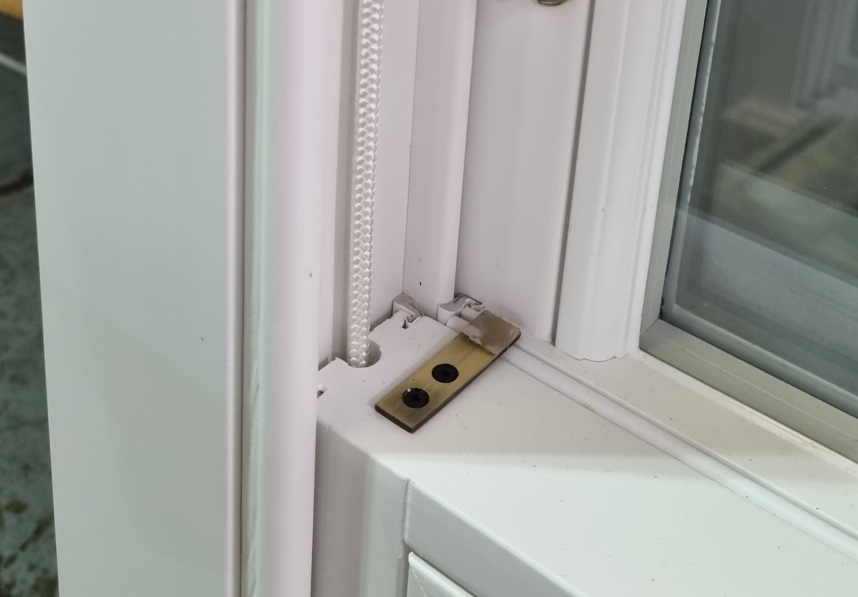
A sliding sash window has several potential gaps. The sashes need clearance to slide, so there’s a gap between each sash and the frame’s runs. Where the top and bottom sashes meet in the middle — the meeting rails — there’s another potential leak. Air also escapes around the perimeter where the box frame meets the masonry, and through the pulley holes on corded windows.
Add these together and an un-draughted sash window can be a significant source of heat loss. It’s rarely one big gap; it’s the sum of many small ones.
The Three Main Methods
There are three established approaches, ranging from simple DIY to more involved professional work. Each has its place.
1. Brush Seals (DIY-Friendly)
Brush seals, also called pile seals, are strips of dense brush that fit into the runs and against the meeting rails. As the sash slides, the brush maintains contact and blocks the draught while still allowing smooth movement.
They’re the most accessible option: available as self-adhesive strips or timber-mounted versions, and fittable by a competent DIYer for around £15-25 per window in materials. Brush seals are unobtrusive, don’t stop the window operating, and make a real difference for minimal outlay.
The trade-off is that brush seals are less airtight than compression seals and wear over time, needing replacement every several years. For most homes, though, they’re an excellent first step.
2. Compression Seals (Professional)
Compression seals use flexible gaskets, often wiper or bulb seals routed into the timber, that the sash presses against when closed. They seal more completely than brush seals, particularly at the meeting rails.
This is usually professional work, as it involves routing channels into the sashes and frame for a concealed, durable result. Expect to pay roughly £200-350 per window for professional draught-proofing of this kind, often including refurbishment of the window’s operation at the same time.
The payoff is a more thorough, longer-lasting seal that’s invisible when the window is closed. For period properties where you want maximum performance without altering appearance, this is often the best route.
3. Secondary Glazing
Secondary glazing takes a different approach entirely: rather than sealing the original window, it adds a discreet independent pane on the inside, creating a sealed air gap.
It’s the most effective option for both draughts and noise: the sealed inner pane blocks air infiltration comprehensively and the wide air gap dampens sound. Costs vary with size and specification but typically fall around £300-600 per window.
Secondary glazing leaves the original window completely untouched, which makes it particularly valuable for listed buildings where altering the historic sash isn’t permitted. The downside is a second pane to open for ventilation and cleaning. It also improves thermal performance closer to that of modern double glazing without replacing the original glass.
Comparing the Options
Each method trades cost against effectiveness and permanence.
Brush seals are cheapest and DIY-friendly, delivering a solid improvement for £15-25 per window, the sensible starting point for most people. Compression seals cost more (£200-350) and need a professional, but seal more completely and last longer. Secondary glazing is the priciest (£300-600) but the most effective, and the only option that also seriously tackles noise — ideal where the original window must stay untouched.
There’s no single “best”; it depends on your budget, how much draught you’re fighting, and whether the window can be altered.
The Energy Savings
Draught-proofing pays back. In a typical semi-detached house, sealing draughty sash windows can save around £50-100 per year on heating, according to widely cited energy efficiency figures.
The comfort improvement is often the bigger win. Eliminating draughts removes the cold spots and chilly air movement that make rooms feel colder than the thermostat suggests — often letting you turn the heating down a notch without noticing. For independent guidance on the savings, the Energy Saving Trust publishes figures on draught-proofing across the home.
Keeping the Character
The best draught-proofing is the kind you can’t see. All three methods, done properly, preserve a sash window’s authentic appearance.
Brush and compression seals are concealed within the runs and rails, invisible from outside and barely noticeable inside. Secondary glazing sits behind the original window and, when slim and well-fitted, is discreet. None of these methods stops the window opening — you keep the full function of a working sash, just without the draught.
This is where draught-proofing beats replacement for many period homes: you retain the original windows and their character while solving the comfort problem. For properties where original joinery is worth keeping, it’s often the smarter choice.
When to Consider Replacement Instead
Draught-proofing is ideal for sound windows with good timber. But if the sashes are rotten, the frames are failing, or the windows are beyond economical repair, sealing draughts is only patching a bigger problem.
In that case, new bespoke timber sash windows with modern draught seals and double glazing built in may be the better long-term investment — combining authentic looks with contemporary performance from the start.
Frequently Asked Questions
How much does it cost to draught-proof sash windows?
It depends on the method. Brush seals cost around £15-25 per window as a DIY job. Professional compression seals run £200-350 per window and seal more completely. Secondary glazing costs roughly £300-600 per window and is the most effective, also reducing noise. Choose based on your budget and how much draught you’re tackling.
Will draught-proofing stop my sash windows opening?
No. All the main methods (brush seals, compression seals, and secondary glazing) are designed to keep the window fully operational. Brush and compression seals maintain contact as the sash slides, and secondary glazing simply adds an openable inner pane. You keep a working sash window, just without the draught.
How much can I save by draught-proofing sash windows?
In a typical semi-detached house, draught-proofing sash windows can save around £50-100 per year on heating. The comfort improvement is often the bigger benefit — removing draughts eliminates cold spots and can let you lower the thermostat slightly without feeling colder.
Does draught-proofing spoil the look of period windows?
Not when done properly. Brush and compression seals are concealed within the runs and meeting rails, invisible from outside. Secondary glazing sits discreetly behind the original window. All three preserve the authentic appearance while solving the draught — a key advantage over full replacement for period homes.
Is draught-proofing better than replacing sash windows?
For sound windows with good timber, yes — it’s cheaper, retains original character, and solves the comfort problem. But if the sashes are rotten or the frames are failing, draught-proofing only patches a deeper issue. In that case, new bespoke timber sash windows with built-in seals and double glazing are the better long-term choice.
Conclusion
Sash windows draught because they slide — but that doesn’t mean you have to live with cold rooms or replace beautiful original joinery. Brush seals fix the worst of it for £15-25 a window; compression seals go further for £200-350; and secondary glazing tackles both draughts and noise for £300-600, without touching the original window.
Whichever you choose, the result is a warmer, quieter room, savings of around £50-100 a year, and a sash window that still looks and works exactly as it should. For sound windows, it beats replacement on both cost and character.
If your sashes are past saving — or you’d like new ones with draught-proofing built in — tell us what you’re working with and we’ll point you to the right option.


Leave a Reply
Want to join the discussion?Feel free to contribute!