Georgian Windows: The Definitive 6-Over-6 Design Guide

In this article, you’ll discover:

  • What defines authentic Georgian window proportions and why they matter
  • The history behind the iconic six-over-six glazing pattern
  • Why slim glazing bars are essential for period accuracy
  • How to spot common mistakes in Georgian window replacements
  • The truth about sash horns and when they appeared
  • Restoration standards for listed Georgian properties

Introduction

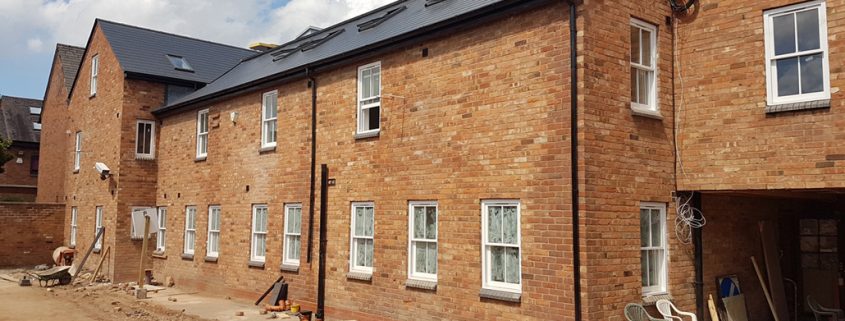
Walk down any Georgian terrace in Bath, Edinburgh, or Dublin, and you’ll notice something striking: the windows. Tall, elegant, perfectly proportioned — they’re as much a part of Georgian architecture as the symmetrical facades they sit within.

But here’s what many homeowners don’t realise. Those beautiful six-over-six sash windows weren’t just decorative choices. They were engineering solutions, born from the limitations of 18th-century glass manufacturing. And getting them right — whether you’re restoring originals or installing replacements — requires understanding why Georgians built them the way they did.

We’ve seen countless replacement windows on period properties that look… wrong. The proportions are off, the glazing bars too thick, or there are sash horns where there shouldn’t be any. These details matter, especially in conservation areas where planning officers know exactly what to look for.

This guide covers everything you need to know about authentic Georgian windows — from the historical context to the precise specifications that separate accurate reproductions from obvious imposters.

What Makes a Window Georgian?

The Georgian era spans 1714 to 1830, covering the reigns of George I through George IV. It’s a period that gave Britain some of its finest domestic architecture — and established window designs that still influence building today.

The Six-Over-Six Pattern

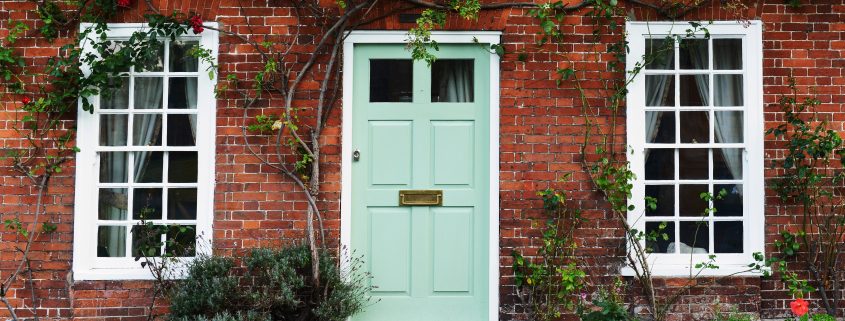
The defining feature of Georgian windows is the six-over-six glazing pattern. That’s six panes in the upper sash, six in the lower, creating twelve individual panes of glass separated by slim wooden glazing bars.

Why twelve panes? Simple economics and technology. In the 18th century, crown glass was expensive and could only be produced in small sheets. Larger panes meant more waste, higher costs, and greater risk of breakage during transport. Six-over-six represented the sweet spot — maximising light whilst keeping each pane to a practical size.

The typical pane in an early Georgian window measured roughly 10-12 inches wide by 14-16 inches tall. These proportions weren’t arbitrary. They reflected the available glass sizes and created the vertical emphasis that defines Georgian aesthetics.

Proportions and Symmetry

Georgian architecture is fundamentally about proportion and balance. Windows were positioned with mathematical precision, their spacing calculated to create harmonious facades.

The windows themselves follow strict proportional rules:

  • Height-to-width ratio typically 2:1 or slightly taller
  • Upper and lower sashes of equal size
  • Glazing bars creating panes taller than they are wide
  • Windows reducing slightly in size on upper floors

This last point catches many people out. Ground floor windows on Georgian townhouses are genuinely larger than those on the first floor, which are larger again than second floor windows. It’s a deliberate optical technique that makes buildings appear taller and more elegant from street level.

Glazing Bars: The 18mm-20mm Rule

If there’s one detail that immediately distinguishes authentic Georgian windows from poor reproductions, it’s the glazing bars. And frankly, this is where most replacement window companies get it wrong.

Why Slim Bars Matter

Original Georgian glazing bars — sometimes called astragals or muntins — typically measured just 18-20mm wide. Some early examples were even slimmer, around 15mm. This created the delicate, refined appearance that defines the style.

Modern reproductions often use bars of 25-30mm or more. To untrained eyes, the difference might seem trivial. To anyone familiar with Georgian architecture — including conservation officers — it’s immediately obvious. The windows look clunky, heavy, and unmistakably modern.

The thing is, achieving genuinely slim glazing bars requires skill. Thinner bars mean less structural material holding the glass in place. They demand precise joinery, quality timber, and proper understanding of how the forces distribute across the sash.

Ovolo vs Lamb’s Tongue Profiles

Georgian glazing bars used specific moulding profiles. The two most common were:

Ovolo — A simple quarter-round profile, common in earlier Georgian properties (roughly 1714-1760). Clean, understated, and relatively easy to reproduce.

Lamb’s tongue — A more refined double-curve profile that became fashionable from the mid-Georgian period onwards. Requires more skilled carpentry but creates a more elegant shadow line.

For sash windows in listed buildings, matching the original profile exactly is typically a planning requirement. Even in unlisted Georgian properties, using the correct profile dramatically improves authenticity.

The Sash Horn Question

Here’s something that trips up homeowners and even some window suppliers: sash horns.

Those small projections at the bottom corners of the upper sash — the ones you see on Victorian and Edwardian windows — didn’t exist in the Georgian period. None of them. If your “Georgian” replacement windows have horns, they’re historically inaccurate.

Why Horns Appeared Later

Sash horns emerged in the 1840s as a structural solution to a new problem: larger panes of glass. As cylinder glass manufacturing improved, windows could accommodate bigger individual panes. The classic Victorian pattern of two-over-two or one-over-one meant much larger, heavier sashes.

Horns strengthened the vulnerable mortise and tenon joint at the bottom of the upper sash — the point where the meeting rail joins the stiles. With twelve small panes, this joint experienced relatively low stress. With two large panes, it needed reinforcement.

Getting It Right for Georgian Properties

For authentic Georgian reproductions:

  • No sash horns on any windows
  • Meeting rails should be flush with stiles (no projection)
  • The joint should be a traditional wedged mortise and tenon

If a supplier offers you Georgian-style windows with horns “for strength,” they either don’t understand the history or they’re using inappropriate construction methods. A properly built six-over-six sash doesn’t need horns — Georgians managed perfectly well without them for over a century.

Typical Georgian Window Dimensions

Georgian windows varied by building type, location, and date, but certain dimensions recur consistently enough to serve as guidelines.

Standard Opening Sizes

For a typical Georgian townhouse:

Floor LevelWidthHeightNotes
Ground1100-1200mm1800-2000mmLargest windows
First1000-1100mm1650-1800mmPrincipal rooms
Second900-1000mm1500-1650mmBedrooms
Attic700-900mm1200-1400mmServants’ quarters

These are structural opening sizes. The actual sash dimensions would be approximately 60-70mm bigger in each direction to accommodate the box frame.

Box Frame Depths

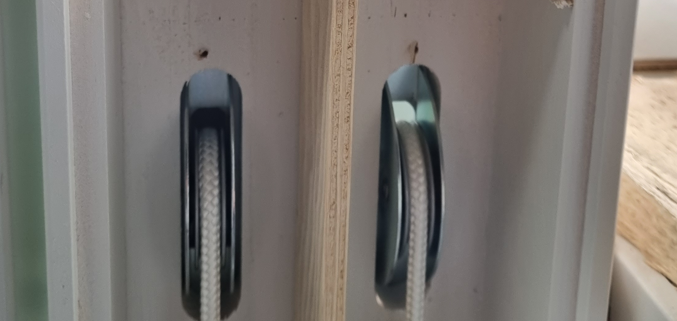
Georgian box frames — the outer timber housing containing the sash weights and pulleys — were typically 100-120mm deep. This allowed space for:

  • Inner and outer linings
  • Sash weight compartments (both sides)
  • Sash weights of appropriate mass
  • Parting beads and staff beads

Modern slim-profile sash windows often use spring balances rather than weights, reducing frame depth to 60mm. While this can work for new-build period-style properties, it rarely satisfies conservation requirements for listed buildings.

Restoration Standards for Listed Buildings

If your Georgian property is listed — Grade I, II*, or II in England and Wales, or Category A, B, or C in Scotland — window replacement is heavily regulated.

What Historic England Recommends

Historic England’s guidance on windows in historic buildings emphasises:

  • Repair over replacement wherever possible
  • Like-for-like materials when replacement is unavoidable
  • Matching original profiles, proportions, and details exactly
  • Retention of historic glass where it survives
  • Single glazing in most cases (though carefully designed double glazing is sometimes acceptable)

The key phrase is “preserve or enhance.” Any replacement window must preserve the character of the original or, ideally, enhance it by correcting previous inappropriate alterations.

Conservation Area Requirements

Even unlisted Georgian buildings in conservation areas face restrictions. Local planning authorities can require:

  • Prior approval for window replacement
  • Evidence that proposed windows match original specifications
  • Specific materials (typically timber only)
  • Authentic glazing patterns and proportions

In practice, this means cheap uPVC or aluminium replacements are almost never acceptable. Quality timber windows built to Georgian specifications are the standard expectation.

Common Mistakes to Avoid

Having worked with Georgian properties for years, we see the same errors repeatedly. Here’s what to watch for:

Glazing Bar Width

As mentioned, bars over 25mm look wrong. But equally problematic are bars that are too slim — under 15mm can appear flimsy and may not meet Building Regulations for structural glazing.

Incorrect Glass

Georgian glass had imperfections — slight ripples, bubbles, and variations in thickness. Modern float glass is perfectly flat and uniform. For the most authentic appearance, consider restoration glass with deliberate imperfections, though this costs significantly more.

Wrong Sash Proportions

Georgian sashes were almost always equal in height. Windows with a taller lower sash or shorter upper sash are Victorian conventions, not Georgian.

Inappropriate Hardware

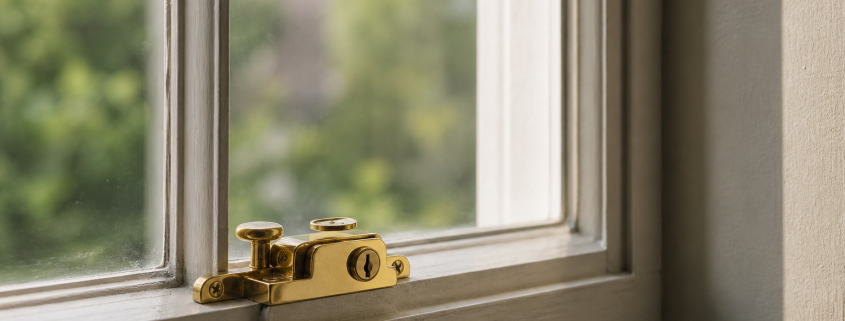
Georgian windows used brass or iron fittings — simple sash lifts, face-fixed locks, and plain pulleys. Ornate Victorian hardware looks anachronistic.

Painting Schemes

Georgian windows were typically painted — white became fashionable from the mid-18th century, though earlier buildings often used darker colours. The bare wood look beloved of some modern restorations isn’t historically accurate.

Frequently Asked Questions

What is the typical glazing pattern for Georgian windows?

The characteristic Georgian glazing pattern is six-over-six — six panes in the upper sash and six in the lower, totalling twelve panes per window. This pattern resulted from 18th-century glass manufacturing limitations, where crown glass could only be economically produced in relatively small sheets. Earlier Georgian properties sometimes featured nine-over-nine or even twelve-over-twelve patterns, whilst later Georgian windows occasionally used larger panes as glass technology improved.

How wide should glazing bars be on Georgian windows?

Authentic Georgian glazing bars measure 18-20mm wide, with some early examples as slim as 15mm. This delicate proportioning is essential for period accuracy. Modern reproductions often use bars of 25-30mm, which immediately looks wrong to anyone familiar with Georgian architecture. For listed buildings or conservation areas, matching original bar widths is typically a planning requirement.

Did Georgian windows have sash horns?

No. Sash horns — the small projections at the bottom corners of the upper sash — are a Victorian innovation from the 1840s. They appeared when larger glass panes created heavier sashes requiring additional joint reinforcement. Authentic Georgian windows have flush meeting rails with no horns whatsoever. Any “Georgian” window with horns is historically inaccurate.

What’s the correct height-to-width ratio for Georgian windows?

Georgian windows typically follow a height-to-width ratio of approximately 2:1 or slightly taller, creating the elegant vertical emphasis characteristic of the period. Both sashes should be equal in height, and individual panes should be taller than they are wide. Windows on upper floors were deliberately smaller than those below — a proportional technique that makes buildings appear more elegant from street level.

Can I install double glazing in a listed Georgian property?

Possibly, but it requires careful design and Listed Building Consent. Historic England’s position is that single glazing is preferred for listed buildings, but sympathetically designed double glazing may be acceptable where it doesn’t harm the building’s significance. This typically means slim-profile units, authentic glazing bar widths, and retention of original box frame proportions. Each case is assessed individually by the local conservation officer.

What timber species is best for Georgian window restoration?

For historically accurate restoration, softwood (typically Scots pine or Baltic redwood) matches what Georgians actually used. For enhanced durability, engineered softwood offers better dimensional stability whilst maintaining authentic appearance. Hardwoods like oak weren’t commonly used for Georgian sash windows, though they’re sometimes specified for improved longevity in exposed locations.

Conclusion

Georgian windows represent a high point in British architectural design — elegant, proportioned, and purposeful. Whether you’re restoring originals or installing sympathetic replacements, understanding the details that define authentic Georgian glazing makes the difference between windows that honour your property’s heritage and ones that undermine it.

The six-over-six pattern, slim 18-20mm glazing bars, absence of sash horns, and correct proportions aren’t arbitrary historical details. They’re the visual language of Georgian architecture, and they’re what conservation officers, neighbours, and future buyers will notice.

At Timber Windows Direct, we manufacture bespoke sash windows to authentic Georgian specifications — correct proportions, appropriate glazing bar profiles, and traditional construction methods. Every window is made to order for your specific openings.

Get your free quote and let’s discuss how to get your Georgian windows right.

Timber Window Hardware: The Complete UK Guide

In this article, you’ll discover:

  • Handle types for timber windows and when to use each
  • Casement stays vs friction hinges
  • Security locks and PAS 24 explained
  • Finish options for different property styles

Window hardware might seem like a small detail. But get it wrong and you’ll be reminded every time you open a window. Handles that don’t suit the style. Stays that won’t hold. Locks that look like they belong on a garden shed.

We’ve fitted thousands of timber windows, and the hardware choices matter more than people realise. The right ironmongery enhances both look and functionality. The wrong choice? It’s like putting plastic handles on an oak front door.

Window Handles: Types and Applications

Espagnolette (Espag) Handles

The modern standard for flush casement windows. Espag handles operate a multi-point locking mechanism — when turned, locking points engage at multiple positions around the frame. Most include a key-locking position for additional security. Available in all standard finishes.

Monkey Tail and Peardrop Handles

Traditional designs with curved or rounded profiles — the go-to choice for period properties. Originated in the Georgian era and remained popular through Victorian and Edwardian times. Modern versions often incorporate espagnolette mechanisms, giving you traditional aesthetics with contemporary security.

Sash Window Hardware

For sash windows, the fitch fastener locks the two sashes together. Modern versions add key-locking for security. Sash lifts range from simple hook lifts (Georgian) to more ornate patterns (Victorian).

Casement Stays and Restrictors

Traditional Casement Stays

A flat metal bar with holes that hooks onto pins on the window sill. Simple, reliable, unchanged for over a century. Lengths vary (200mm, 250mm, 300mm) — choose based on window size. For period properties, matching finish (black antique, brass, bronze) is part of the authentic look.

Friction Hinges

The modern alternative — combines hinge and stay functions. The friction mechanism holds the window at any angle without pins or hooks. Cleaner aesthetics, easier operation, ability to reverse sash for cleaning. The trade-off is a contemporary appearance that may not suit traditional properties.

Child Safety Restrictors

Building Regulations require windows above certain heights to limit opening to 100mm unless deliberately overridden. Most friction hinges include built-in restrictors. Not optional for upper-floor windows where children might be present.

Security: Locks and Standards

Around 30% of burglaries involve window entry. Good locks make a genuine difference.

Multi-point locking: Modern espag systems engage at least three locking points simultaneously, distributing force across multiple positions rather than one latch. Higher-security windows add shootbolts extending into the frame at top and bottom.

PAS 24: The British security standard for doors and windows. Products are physically tested against defined attack sequences. Building Regulations (Part Q) require ground floor and easily accessible windows to meet PAS 24. Certification covers the complete window system — frame, glazing, and hardware together.

Key-locking considerations: Key-locked handles prevent opening even if glass is broken — but can be a fire escape hazard. Use key-locking on ground floor; non-locking on bedrooms where escape routes matter more.

Hardware Finishes

FinishBest Suited ToConsiderations
Polished ChromeModern, contemporaryShows fingerprints
Satin ChromeModern, versatileMore forgiving
Polished BrassVictorian, EdwardianRequires polishing
Antique BrassPeriod, heritageLow maintenance
Black AntiqueCottages, farmhousesVery low maintenance
BronzeArts & Crafts, high-endPremium option

General rule: match window hardware to door furniture for consistency.

Period-Appropriate Hardware

Georgian (1714-1830): Simple, elegant hardware. Fitch fasteners in brass or black, simple ring pulls or hook lifts. Understated function over ornament.

Victorian (1837-1901): More ornate patterns. Monkey tail handles with elaborate detailing, decorative stays. Polished brass or black antique ironwork.

Edwardian (1901-1910): Simpler than Victorian but still quality. Satin brass and early chrome finishes. Casement windows became more common.

For listed buildings, Historic England guidelines may restrict choices — check with your local conservation officer.

Frequently Asked Questions

Can I replace hardware without changing the window?

Often yes. Handles, stays, and fasteners can usually be upgraded. However, changing to a different locking system (e.g., adding multi-point locking) typically requires the window to be designed for it.

What finish is most durable?

PVD (Physical Vapour Deposition) finishes are most durable, followed by powder-coated. Polished brass requires regular maintenance. Black antique and bronze age gracefully.

Do I need PAS 24 rated hardware?

For new builds, Building Regulations require ground floor and easily accessible windows to meet PAS 24. For existing homes, it’s recommended but not mandatory.

Casement stays vs friction hinges?

Casement stays hold windows at fixed positions with visible fittings. Friction hinges hold at any angle without additional hardware. Stays suit period properties; friction hinges suit modern aesthetics.

Getting the Hardware Right

Think about style (what suits your property), function (security, child safety), and finish (matching other hardware). Get those three right and you won’t go wrong.

At Timber Windows Direct, we offer a full range of hardware options. Get in touch to discuss what would work best for your project.

How to Stop Condensation on Timber Windows

In this article, you’ll discover:

  • Why condensation forms on windows (and why it’s not a fault)
  • The difference between interior, exterior, and between-pane condensation
  • Four practical solutions ranked by cost and effectiveness
  • When upgrading your glazing actually makes sense

Waking up to windows streaming with water is frustrating. And if you’ve got beautiful timber windows, it’s natural to worry about moisture causing damage.

Here’s the thing: condensation on windows isn’t usually a window problem. It’s a ventilation and humidity problem. Your windows are simply the coldest surface in the room — where moisture in the air turns back into water droplets.

This guide covers all the causes and solutions, so you can tackle the problem properly.

What Causes Window Condensation?

Condensation is water vapour turning back into liquid when it meets a cold surface. The scientific term is ‘dew point’ — the temperature at which air can no longer hold its moisture. Three factors determine whether you get condensation:

  1. Indoor humidity levels — a family of four produces 10-15 litres of water vapour daily through breathing, cooking, and washing
  2. Surface temperature — how cold the window glass is
  3. Ventilation — whether moist air is being replaced with drier air

Modern homes suffer more because they’re airtight. Older houses were draughty — not ideal for comfort, but excellent for preventing condensation. When you insulate and draught-proof without adding ventilation, moisture has nowhere to go.

Interior vs Exterior vs Between-Pane Condensation

Condensation on the Inside

Interior condensation — moisture on the room-facing surface — is the most common type. It indicates high indoor humidity combined with cold window surfaces. Particularly common in bedrooms (we breathe out moisture overnight), kitchens, and bathrooms.

Condensation on the Outside

Here’s something that surprises many homeowners: external condensation is actually a sign of good thermal performance. It happens when the outer glass is so well insulated from your home’s heat that it stays colder than the outside air. If you’ve recently upgraded to low-e glazing and see morning condensation outside, don’t worry — it clears as the sun warms the glass.

Condensation Between the Panes

Moisture trapped between the glass panes means the seal has failed. The inert gas (usually argon) has been replaced by humid air. Failed sealed units need replacing — the good news is that with timber windows, you can usually replace just the glazing unit rather than the whole window.

Four Solutions: From Simple to Significant

Solution 1: Improve Ventilation

The single most effective solution. You need moist air out and drier air in.

Trickle vents are small ventilators built into window frames, providing constant background ventilation without significant heat loss. Building Regulations require them in new windows precisely because they’re so effective. Keep them open — closing them defeats the purpose.

Extract fans in kitchens and bathrooms should run during cooking/bathing and for 15-20 minutes afterwards. Humidistat-controlled fans that activate automatically are particularly useful.

Window opening: Even in winter, five minutes of ‘purge ventilation’ (windows wide open) is more effective than leaving them on a crack all day.

Solution 2: Reduce Humidity at Source

Sometimes you’re producing more moisture than ventilation can handle:

  • Drying clothes indoors: One load releases ~2 litres of water. Use a vented tumble dryer or dry in a closed room with window open.
  • Cooking: Cover pans and always use the extractor.
  • Showers: Keep bathroom door closed; run fan during and after.
  • Unflued gas heaters: Produce huge amounts of water vapour. Avoid if possible.

Solution 3: Use a Dehumidifier

If ventilation alone isn’t enough — particularly in older properties or basements — a dehumidifier can help. Modern refrigerant models extract several litres daily and cost around 3-5p per hour to run.

Aim for 40-60% relative humidity. Below 40% causes dry skin; above 60% encourages condensation and mould. A simple hygrometer (under £10) lets you monitor levels.

Solution 4: Upgrade Your Glazing

If you’ve got single glazing or failed sealed units, upgrading makes sense. Modern double glazing with a decent U-value (1.4 W/m²K or better) keeps the inner glass warmer, making condensation less likely.

Triple glazing and argon-filled units perform even better. But honestly, for most UK homes, good double glazing combined with adequate ventilation solves the problem.

Quick Diagnosis Guide

Where’s the condensation? Here’s what to do:

  • Inside surface → Improve ventilation and reduce humidity sources
  • Outside surface → Nothing to fix — your glazing is working well
  • Between panes → Seal has failed — replace the glazing unit
  • Throughout house → General ventilation problem — consider whole-house approach

Frequently Asked Questions

Why do I get condensation on my new windows?

New windows are more airtight than old ones. Less background ventilation means humidity builds up. It’s not a fault — you just need to adjust habits. Keep trickle vents open and ventilate briefly each day.

Is condensation damaging my timber frames?

Occasional condensation won’t harm properly finished timber. Persistent heavy condensation pooling on sills can eventually penetrate the finish. Wipe away pooled water regularly and maintain frames with microporous paint.

What humidity level should I aim for?

Keep relative humidity between 40-60%. Below 40% causes dry skin and respiratory issues; above 60% encourages condensation and mould. A cheap hygrometer helps you monitor this.

Will secondary glazing help?

Yes — secondary glazing warms the primary window and reduces humidity transfer. A good solution for listed buildings where replacing original windows isn’t permitted.

Getting Condensation Under Control

Window condensation comes down to moisture meeting cold surfaces. Address the moisture, warm up the glass, or improve ventilation — and the problem improves. Start simple: open trickle vents, use extract fans, avoid drying clothes indoors. If that’s not enough, add a dehumidifier or consider upgrading your glazing.

At Timber Windows Direct, all our windows come with integrated trickle vents and high-performance sealed units. Get in touch to discuss replacement windows for your property.

Laminated vs Toughened Glass for Security: The Complete Guide

In this article, you’ll discover:

  • The fundamental difference between laminated and toughened glass
  • Why toughened glass offers zero security benefit
  • How BS EN 356 security ratings work
  • Real cost comparisons for upgrading your glazing

There’s a common misconception: “toughened glass is security glass.” We hear it all the time from homeowners. And it’s completely wrong.

Both glass types are stronger than standard float glass. But they behave completely differently when someone tries to break through. One provides genuine security. The other keeps your family safe from accidents but won’t slow down a burglar.

This guide explains what each type does, how security ratings work, and when you should invest in upgraded glazing for your timber windows.

Toughened Glass: Safety, Not Security

Toughened glass — also called tempered glass — is heat-treated to be 4-5 times stronger than standard glass. The manufacturing process creates surface tension that makes it significantly harder to break.

Here’s the thing: when toughened glass does break, it shatters completely into small, relatively harmless granules. That’s the point — it’s designed as safety glazing, protecting people from dangerous shards. But that same property makes it useless for security — once broken, there’s no barrier left.

Where Toughened Glass Should Be Used

Building Regulations (Approved Document K) require safety glass in ‘critical locations’:

  • Glazing within 800mm of finish floor level
  • Glazing in doors and side panels within 300mm of doors
  • Low-level glazing in bathrooms

Toughened glass is also more resistant to thermal stress — useful where glass experiences temperature differences.

Laminated Glass: The Real Security Option

Laminated glass consists of two or more glass panes bonded with an interlayer — typically PVB (polyvinyl butyral) or EVA resin. This interlayer is the key to everything.

When struck, the outer glass may crack or shatter, but the pieces stay bonded to the interlayer. The glass doesn’t fall away. To get through, an intruder must keep hitting the same spot repeatedly, gradually breaking through layer after layer.

This delay defeats most break-in attempts. Burglars typically want to be in and out within 2-3 minutes. Spending 30-60 seconds hammering at a window that won’t give way — making noise the whole time — isn’t worth the risk.

Additional Benefits

  • Superior sound insulation — the interlayer dampens vibrations
  • UV protection — blocks up to 99% of UV rays
  • Safety compliance — also qualifies as safety glass under Building Regulations

BS EN 356 Security Ratings Explained

BS EN 356 is the European standard for testing glass resistance to manual attack. The standard divides into two categories:

Ball drop tests (P1A to P5A): A steel ball dropped from increasing heights. Measures resistance to opportunistic attack.

Axe tests (P6B to P8B): Glass struck repeatedly with an axe. Measures resistance to sustained attack.

ClassTest MethodTypical Application
P1A3 ball drops from 1.5mBasic residential
P2A3 ball drops from 3mStandard residential upgrade
P4A3 ball drops from 9mHigh-value homes
P6B-P8B30-70+ axe blowsCommercial, high-risk

For most residential applications, P2A or P4A provides excellent security. Higher ‘B’ ratings are designed for banks and commercial premises.

Cost Comparison

Realistic figures for 2026 (per m² of glass):

  • Toughened: +£15-25 over standard float glass
  • Laminated (basic): +£35-45
  • Laminated (P2A): +£45-55
  • Laminated (P4A): +£55-70

For a typical sash window (1.2m²), P2A laminated adds £55-65. For 10-12 windows? Around £500-800 extra. Some insurers offer premium discounts for certified security glazing.

Making the Right Choice

Choose toughened when:

  • Building Regulations require safety glass
  • The window is prone to accidental impact
  • Thermal stress is a concern

Choose laminated when:

  • Security is a genuine concern (ground floor, rear of property)
  • You want improved sound insulation or UV protection
  • Insurance requires or incentivises security glazing

Best of both worlds: Many timber window manufacturers supply double-glazed units with toughened inside and laminated outside — Building Regs compliance plus genuine security.

Frequently Asked Questions

Is laminated glass burglar proof?

No glass is truly burglar-proof, but laminated glass significantly delays break-in attempts. Even basic laminated can withstand several minutes of sustained attack. The delay usually deters opportunistic burglars.

Is toughened glass the same as safety glass?

Toughened is one type of safety glass. Laminated also qualifies under BS 6206 and EN 12600. Both reduce injury risk — toughened by shattering into granules, laminated by holding fragments together.

Which is better for noise reduction?

Laminated provides significantly better acoustic insulation. The PVB interlayer dampens sound vibrations, reducing noise by 3-5 decibels more than standard double glazing.

Do I need security glass on all windows?

Focus on vulnerable points: ground-floor windows, accessible rear windows, glazed doors, and windows hidden from view. Upper floors visible from the street are lower priority.

The Bottom Line

If security is your goal, laminated glass is the only sensible choice. Toughened is excellent for safety but won’t delay a break-in. The upgrade cost isn’t as high as many assume — for ground-floor windows, it’s an investment that makes real sense.

At Timber Windows Direct, we supply windows with any glazing specification. Contact us to discuss the right options for your property.