
Modern Timber Windows: Contemporary Designs
In this article, you’ll discover:
- How modern timber windows differ from traditional designs
- The slim sightlines and large glass areas defining contemporary style
- Pivot, tilt-turn, and handleless mechanisms explained
- Timber-aluminium composite windows and their advantages
- What contemporary timber windows cost (£800-1,500 per m²)
- Whether timber suits a modern architectural home
Introduction
Timber windows are usually associated with period properties — sash windows on Victorian terraces, casements on cottages. But some of the most striking windows on contemporary homes are also made of wood. Modern timber design has moved a long way from heritage styling.
Today’s architectural timber windows are about light and minimalism: expanses of glass, frames slimmed to the structural minimum, and clean lines with no decorative fuss. They deliver the warmth and sustainability of timber with an aesthetic that suits new-builds, extensions, and bold renovations.
This guide covers what defines a modern timber window, the mechanisms and materials involved, and what to expect on cost. Whether you’re building from scratch or reimagining an older home, these timber windows show how far the material has come.
What Makes a Timber Window “Modern”?
The defining principle is the opposite of period design. Where a Victorian window celebrates division and detail, a modern window minimises both.
Large Glass Areas
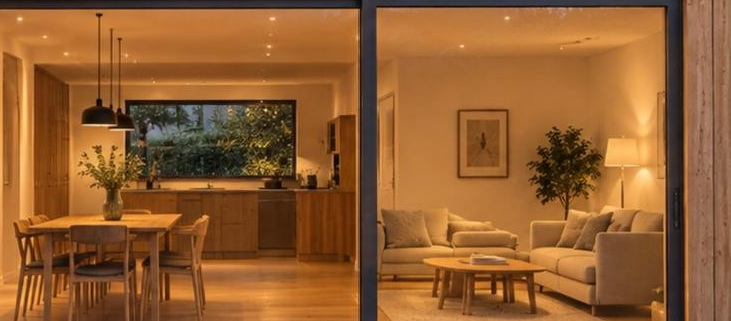
Contemporary design prioritises light. Modern timber windows push the glazing to 70% or more of the window area, maximising daylight and views. The glass, not the frame, is the feature. This suits open-plan interiors and homes designed around their connection to the outside.
Slim Sightlines
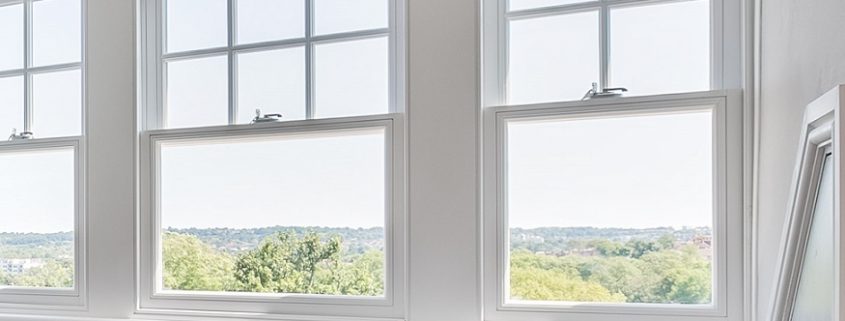
The frame is pared right back. Traditional timber windows have sightlines (visible frame width) of 100mm or more; modern designs slim this to around 50-60mm. The frame recedes, leaving an uninterrupted plane of glass. Achieving this while maintaining strength is where quality engineering shows.
Minimal Frames and Clean Lines
No glazing bars, no decorative mouldings, no horns — modern timber windows strip away the ornamentation that defines period styles. The result is a clean, geometric look that complements contemporary architecture. Where a period window wants authentic detail, a modern one wants none at all.
Contemporary Opening Mechanisms
Modern timber windows aren’t limited to traditional side-hung casements. Several mechanisms suit contemporary designs.
Tilt-Turn
Tilt-turn windows do two things with one handle: tilt inward from the top for secure ventilation, or swing fully open inward like a door for cleaning and maximum airflow. They’re a popular contemporary choice — versatile, easy to clean from inside, and well-suited to larger openings.
Pivot
Pivot windows rotate around a central axis, horizontal or vertical. The effect is dramatic and architectural, ideal for feature windows where the movement itself is part of the design. They handle large, heavy glazed panels elegantly.
Handleless Designs
For the cleanest possible look, handleless mechanisms operate through discreet catches or push-to-open hardware, removing the visual interruption of a handle entirely. It’s minimalism taken to its conclusion — nothing on the glass but glass.
Timber-Aluminium Composite Windows
One of the most significant developments in modern window design is the timber-aluminium composite.
How They Work
These windows combine a timber interior with an aluminium exterior cladding. You get the warmth, character, and natural feel of wood inside, and a weatherproof, low-maintenance aluminium skin outside that takes the brunt of the elements.
The Advantages
The composite approach offers the best of both materials. The aluminium exterior needs virtually no maintenance and never needs repainting, while the timber interior keeps the sustainability and aesthetic benefits of wood. Slim sightlines are easier to achieve, and the aluminium can be powder-coated in almost any colour for a crisp, contemporary exterior.
For homeowners who love timber inside but want minimal external upkeep, composites are an increasingly popular answer — particularly on exposed or hard-to-access elevations.
Thermal Performance
Modern timber windows aren’t just about looks — they perform. Timber is a natural insulator, and contemporary units pair it with high-performance glazing.
Large glass areas make the glazing specification critical. Quality double or triple glazing with low-E coatings and argon fill delivers excellent U-values — comfortably meeting Building Regulations Part L (1.4 W/m²K maximum) and often far exceeding it. With large expanses of glass, specifying good glazing matters even more than on a small window, since the glass dominates the thermal performance.
What Modern Timber Windows Cost
Contemporary timber windows sit at the premium end, reflecting the engineering and materials involved.
Expect roughly £800-1,500 per square metre, depending on specification. The range is driven by the opening mechanism (pivot and tilt-turn cost more than fixed or casement), the glazing (triple glazing and specialist coatings add cost), whether it’s solid timber or timber-aluminium composite, and the size and complexity of the units.
Large architectural glazing is a significant investment — but for a contemporary home where the windows are a defining feature, it’s often central to the design rather than an afterthought. The long-term value of quality windows also helps justify the outlay.
Does Timber Suit a Modern Home?
Yes, and increasingly architects specify it deliberately.
Timber brings warmth to contemporary interiors that can otherwise feel cold, and its sustainability credentials align with the environmental priorities of modern building. A responsibly sourced timber window has a far lower carbon footprint than uPVC or aluminium alternatives.
The old assumption that modern means synthetic is fading. For a contemporary home that values natural materials, low environmental impact, and genuine quality, modern timber windows are a compelling — and beautiful — choice.
Frequently Asked Questions
Can timber windows look modern?
Yes. Modern timber windows feature large glass areas (70%+ glazing), slim sightlines of 50-60mm, minimal frames, and no decorative detailing. Combined with contemporary mechanisms like tilt-turn or pivot, they suit new-builds, extensions, and bold renovations. Timber-aluminium composites take the contemporary look further with crisp powder-coated exteriors.
What are timber-aluminium composite windows?
They combine a timber interior with an aluminium exterior cladding. You get the warmth and sustainability of wood inside, and a weatherproof, virtually maintenance-free aluminium skin outside that never needs repainting. Composites make slim sightlines easier to achieve and allow almost any exterior colour — ideal for contemporary homes.
How much do modern timber windows cost?
Roughly £800-1,500 per square metre, depending on specification. Cost is driven by the opening mechanism (pivot and tilt-turn cost more), glazing choice (triple glazing adds cost), solid timber versus composite construction, and unit size and complexity. Large architectural glazing is a premium investment central to contemporary design.
Are modern timber windows energy efficient?
Very. Timber is a natural insulator, and modern units pair it with high-performance double or triple glazing, low-E coatings, and argon fill. They comfortably meet Building Regulations Part L (1.4 W/m²K) and often exceed it. With large glass areas, the glazing specification is the key driver of overall thermal performance.
What opening mechanisms suit contemporary timber windows?
Tilt-turn (tilts for ventilation or swings fully open inward), pivot (rotates around a central axis for a dramatic architectural effect), and handleless designs (discreet catches for the cleanest look) all suit modern homes. The choice depends on the window’s size, position, and the aesthetic you’re after.
Conclusion
Modern timber windows prove that wood belongs on contemporary homes as much as period ones. Large glass areas, 50-60mm sightlines, minimal frames, and mechanisms like tilt-turn and pivot deliver a clean architectural aesthetic — while timber-aluminium composites add crisp, maintenance-free exteriors.
At £800-1,500 per square metre they’re a premium choice, but for a home where windows are a defining feature, they combine natural warmth, strong thermal performance, and genuine sustainability in a way synthetic materials can’t match.
If you’re designing a contemporary home or extension and want to explore what modern timber can do, share your plans with us and we’ll help you shape the right specification.