How Modern Timber Windows Deliver Outstanding Energy Efficiency

In this article, you’ll discover:

  • What U-values actually mean — and what numbers to look for
  • Why timber naturally outperforms aluminium and uPVC on thermal efficiency
  • Double vs triple glazing: when the upgrade makes sense
  • How modern engineering has transformed timber window performance
  • Real numbers on potential energy savings

With energy bills where they are, every homeowner we speak to asks about thermal performance. And rightly so — windows can account for 20-25% of a home’s heat loss.

Here’s something that surprises many people: timber windows often outperform uPVC and aluminium on energy efficiency. Wood is a natural insulator. Combined with modern glazing technology and precision engineering, today’s timber windows achieve performance levels that would have been impossible a decade ago.

Let’s break down exactly how timber windows keep your home warm — and your energy bills down.

Understanding U-Values: The Key Performance Metric

If there’s one number you need to understand when comparing windows, it’s the U-value.

What Is a U-Value?

A U-value measures the rate of heat transfer through a building element — in this case, your window. It’s measured in watts per square metre kelvin (W/m²K). The lower the number, the better the insulation.

Think of it this way: a U-value of 1.4 means 1.4 watts of heat energy passes through each square metre of window for every degree of temperature difference between inside and outside.

What the Numbers Mean

Building Regulations (Part L) currently require replacement windows to achieve 1.4 W/m²K or better. But “meeting minimum standards” isn’t what we’d recommend — aiming for 1.2 or below makes a real difference to comfort and bills.

Why Timber Is a Natural Insulator

Here’s something the aluminium window industry doesn’t like to talk about: thermal conductivity.

Timber has a thermal conductivity of approximately 0.13 W/mK. Aluminium? Around 160 W/mK. That means aluminium conducts heat over 1,000 times faster than timber.

This is why aluminium windows require “thermal breaks” — plastic or polyamide barriers inserted into the frame to interrupt heat flow. Without them, the frame itself would act as a thermal bridge, conducting heat straight out of your home. Even with thermal breaks, aluminium frames typically achieve worse overall U-values than timber.

Wood’s cellular structure naturally traps air, creating insulation without any additional engineering. It’s warm to the touch even in winter — try that with an aluminium frame.

The Glazing Matters: Double vs Triple

While the frame is important, roughly 70-80% of a window’s area is glass. The glazing specification makes an enormous difference.

Modern Double Glazing

Today’s double glazing is far superior to the sealed units of 20 years ago. Key improvements:

  • Low-e coatings: Low-emissivity glass has a microscopically thin metallic coating that reflects heat back into the room while still allowing light through
  • Argon filling: Argon gas between panes insulates better than air (argon is denser, reducing convection and conduction)
  • Warm-edge spacers: The spacer bars separating the panes now use lower-conductivity materials, reducing heat loss at the edges

A quality timber window with low-e double glazing, argon filling, and warm-edge spacers achieves around 1.2-1.4 W/m²K — significantly better than the 1.4 minimum.

When Triple Glazing Makes Sense

Triple glazing adds a third pane and a second gas-filled cavity. This pushes U-values down to 0.8-1.0 W/m²K — exceptional performance.

But triple glazing isn’t always the answer. It’s heavier (requiring more robust hardware), more expensive (typically 25-35% more than double), and the law of diminishing returns applies — going from 2.8 to 1.4 saves more energy than going from 1.4 to 0.8.

Triple glazing makes most sense for:

  • North-facing rooms with minimal solar gain
  • Exposed locations with high wind exposure
  • Passivhaus or low-energy builds
  • Properties in particularly cold regions

Modern Engineering: How Timber Windows Have Evolved

Some people still associate timber windows with draughty Victorian sashes. The reality is that modern engineered timber windows are precision-manufactured products.

Engineered Timber Construction

Engineered timber uses multiple layers of wood bonded together with grain directions alternating. This virtually eliminates warping and twisting — the traditional source of draughts in old timber windows.

Precision Manufacturing

Components are cut using CNC machinery to tolerances of 0.1mm. That precision means perfect fits, consistent gaps for weatherstripping, and airtight seals when closed.

Modern Weatherstripping

Contemporary weatherseals use durable EPDM rubber or silicone that maintains flexibility for decades. Multiple seal lines (typically two or three around each opening sash) create an effective barrier against draughts and water ingress.

Real-World Energy Savings

What does all this mean for your heating bills? Let’s look at realistic numbers.

Replacing old single-glazed windows (U-value ~5.0) with modern double-glazed timber windows (U-value ~1.2) typically reduces heat loss through windows by around 75%. For a house losing £800/year through inefficient windows, that’s potentially £600 saved annually.

Replacing 20-year-old double glazing (U-value ~2.8) is less dramatic but still significant — typically 50-60% reduction in window heat loss, or £300-400 savings for the same house.

Important caveat: These figures are indicative. Actual savings depend on property size, exposure, heating patterns, and other factors. What’s certain is that better U-values mean lower bills.

Choosing the Right Specification

Here’s our practical recommendation for most UK homes:

  • Timber frames: Engineered softwood for most applications, hardwood for exposed locations or where maximum longevity is required
  • Glazing: Double glazing with low-e glass and argon filling — achieves 1.2-1.4 W/m²K at reasonable cost
  • Consider triple glazing: For north-facing rooms, exposed locations, or if building to high energy standards
  • Don’t forget ventilation: Trickle vents are required by Building Regulations and essential for air quality in airtight modern homes

Frequently Asked Questions

Investing in Efficiency

Energy-efficient windows aren’t just about saving money — though that’s a compelling reason. They’re about comfort. Rooms without cold spots near windows. No condensation streaming down glass on winter mornings. A home that holds its heat.

Timber windows, with their natural insulating properties and compatibility with the best glazing technologies, deliver the performance modern homes need.

At Timber Windows Direct, we manufacture bespoke timber windows with U-values with U-values certified at 1.4 or lower. Get in touch for a free quote and we’ll help you find the right specification for your home.
Timber vs uPVC vs Aluminium: Which Window Material Is Right for Your Home?

In this article, you’ll discover:

  • Real cost comparisons including whole-life value (not just upfront prices)
  • How thermal performance differs between materials — with actual U-values
  • Honest assessments of maintenance requirements for each option
  • Which material suits different property types (period homes, modern builds, conservation areas)
  • The sustainability truth that manufacturers don’t always tell you

“What’s the best window material?” It’s probably the question we get asked most often. And the honest answer is: it depends.

We manufacture timber windows, so you might expect us to say timber every time. But we’ve been in this industry long enough to know that the right choice varies by property, budget, and priorities. What we won’t do is pretend uPVC or aluminium don’t have their place.

What we will do is give you the facts — real numbers, honest comparisons, and the information you need to make the right decision for your specific situation. No marketing spin.

The Real Cost Picture: Upfront vs Whole-Life

Let’s start with what everyone wants to know: price. But here’s the thing — upfront cost and whole-life cost are very different numbers.

Typical UK Prices (2026)

Prices for standard casement windows, supply only. Installation adds £100-200 per window.

See that cost-per-year column? That’s the number that actually matters. Yes, timber costs more upfront — typically 80-100% more than uPVC. But when you factor in lifespan, timber often works out cheaper over time. And that’s before considering that uPVC can’t be repaired when it fails — you replace the whole window.

Thermal Performance: The Numbers That Matter

With energy costs where they are, thermal performance has become a major factor. Here’s how the materials compare:

Material Conductivity

Timber is naturally insulating — its cellular structure traps air. The thermal conductivity of softwood is around 0.13 W/mK. Aluminium? 160 W/mK. That’s over 1,000 times more conductive.

This is why aluminium windows need thermal breaks — plastic or polyamide barriers that interrupt the metal and reduce heat transfer. Without them, aluminium frames would be thermal bridges, conducting heat straight out of your home.

uPVC falls somewhere in between — it’s a reasonable insulator but not as good as timber.

Whole Window U-Values

The U-value measures how much heat passes through a window — lower is better. Building Regulations currently require 1.4 W/m²K or better for new windows.

  • Timber (double glazed): 1.2-1.4 W/m²K
  • Timber (triple glazed): 0.8-1.0 W/m²K
  • uPVC (double glazed): 1.2-1.6 W/m²K
  • Aluminium (double glazed): 1.4-1.8 W/m²K (with thermal break)

Quality timber windows with low-e glass and argon filling consistently achieve the best thermal performance.

Durability and Maintenance: The Honest Truth

Here’s where we need to address the elephant in the room: timber maintenance.

Timber

Yes, timber windows need maintenance. Modern factory-finished timber with microporous coatings needs repainting every 8-12 years. You’ll also want to do annual checks and keep drainage channels clear.

But here’s what many people don’t realise: that maintenance means timber windows can last 60+ years. When issues occur, you repair — a splice for localised rot, sanding and refinishing for worn paint. The whole window rarely needs replacing.

uPVC

uPVC is marketed as “maintenance-free.” And it’s true you won’t be painting it. But uPVC isn’t problem-free:

  • After 15-20 years, discolouration starts (especially on south-facing elevations)
  • The material becomes brittle with UV exposure
  • Seals fail, gaskets perish
  • And when it fails? You can’t repair uPVC — you replace the whole window

Aluminium

Aluminium is genuinely low maintenance — powder-coated finishes last 25-30 years, and the material doesn’t rot, warp, or degrade like uPVC. The main issues are seal failure and thermal break degradation in cheaper products.

Aesthetics: Which Suits Your Property?

This is where the choice often becomes clearer.

Period Properties and Conservation Areas

For Victorian, Edwardian, or Georgian properties — especially in conservation areas — timber is often the only appropriate choice. Planning authorities typically reject uPVC on listed buildings and may refuse it in conservation areas.

Timber sash windows with authentic profiles, slim glazing bars, and period-appropriate detailing maintain the character that makes these properties special.

Modern and Contemporary Buildings

For modern architecture with large glazing areas and minimal frames, aluminium often makes sense. The strength allows for slimmer profiles and larger spans. The clean, industrial aesthetic suits contemporary design.

That said, timber can also work beautifully in modern homes — particularly flush casement windows with their clean lines.

Standard Residential

For typical UK housing stock — 1930s semis, post-war estates, modern developments — any material can work. This is where budget and priorities drive the decision.

Sustainability: The Full Picture

We’ve covered this in detail elsewhere, but here’s the summary:

  • Embodied carbon: Timber ~14kg per frame, uPVC ~160kg, aluminium ~200kg
  • Carbon storage: Only timber stores carbon throughout its lifespan
  • End of life: Timber is biodegradable or recyclable; uPVC degrades with recycling; aluminium is infinitely recyclable but energy-intensive to process
  • Longevity: One set of timber windows replaces 2-3 sets of uPVC over the same period

Making Your Decision: A Practical Guide

Choose timber if:

  • You own a period property or live in a conservation area
  • Long-term value matters more than upfront cost
  • Sustainability is a priority
  • You want windows that can be repaired, not replaced
  • Maximum thermal performance matters

Choose aluminium if:

  • You have a contemporary property with large glazing areas
  • You want slim frames and maximum glass
  • Zero maintenance is essential

Choose uPVC if:

  • Budget is the primary constraint
  • You’re not in a conservation area
  • You plan to move within 15-20 years

Frequently Asked Questions

The Bottom Line

There’s no universally “best” window material — it depends on your property, budget, and priorities. But if you’re looking at the full picture — cost over time, thermal performance, sustainability, repairability, and aesthetics — timber wins in most categories.

At Timber Windows Direct, we manufacture bespoke timber windows in engineered pine, meranti, and oak. We’re happy to discuss whether timber is right for your specific situation — and if it’s not, we’ll tell you. Get in touch for honest advice and a free quote.

Why Timber Windows Are the Most Sustainable Choice for UK Homes

In this article, you’ll discover:

  • Why timber outperforms uPVC and aluminium on environmental impact
  • What FSC and PEFC certification actually means (and why it matters)
  • How timber windows store carbon for their entire lifespan
  • The real numbers on embodied energy and lifecycle impact
  • How to verify sustainability claims when choosing a supplier

Here’s something that surprised us when we first looked at the data: a typical uPVC window frame generates roughly 160kg of CO2 during manufacturing. The equivalent timber frame? Around 14kg. That’s not a typo.

We’ve been manufacturing timber windows for over a decade, and sustainability questions have gone from occasional to constant. Homeowners aren’t just asking about U-values anymore — they want to know about embodied carbon, recyclability, and where the materials actually come from.

The good news? Timber genuinely is the most sustainable window material available. But the details matter — not all timber products are equal, and some “eco-friendly” claims don’t hold up to scrutiny. Let’s cut through the marketing and look at what actually makes timber the responsible choice.

Embodied Carbon: The Numbers Nobody Talks About

When we talk about sustainable windows, most people jump straight to energy efficiency — how well the window keeps heat in. That matters, obviously. But there’s a bigger picture that often gets overlooked: embodied carbon.

Embodied carbon is the total CO2 generated to produce something — from raw material extraction through manufacturing to delivery. For building materials, this can be substantial.

How Window Materials Compare

Source: Data based on BRE Environmental Profiles and lifecycle assessments for standard UK window sizes.

To be honest, when we first saw these numbers, even we were surprised by the gap. Aluminium’s figure reflects the enormous energy required for smelting — even recycled aluminium uses significant electricity. uPVC involves petrochemicals and energy-intensive polymerisation.

Carbon Storage: Timber as a Carbon Sink

Here’s something that makes timber unique among building materials: it doesn’t just have low embodied carbon — it actually stores carbon throughout its useful life.

During growth, trees absorb CO2 through photosynthesis. That carbon remains locked in the timber even after it’s harvested and manufactured into products. A cubic metre of timber stores approximately one tonne of CO2.

What does that mean in practice? A set of timber windows for an average UK home stores roughly 200-300kg of carbon for their entire 60+ year lifespan. That’s carbon that would otherwise be in the atmosphere.

When those windows eventually reach end-of-life, the timber can be recycled into other products (keeping the carbon locked up) or, if disposed of responsibly, will biodegrade naturally. Compare that to uPVC — which can be recycled but degrades with each cycle and will eventually end up in landfill or incineration.

FSC and PEFC: What Certification Actually Means

We’ve had customers ask: “How do I know the timber actually comes from sustainable sources?” It’s a fair question. The answer lies in certification.

FSC (Forest Stewardship Council)

FSC certification means the timber comes from forests managed according to strict environmental, social, and economic standards. The chain of custody is tracked from forest to final product — you can verify exactly where the timber originated.

FSC standards require replanting, biodiversity protection, and respect for indigenous communities and workers’ rights. It’s the most rigorous forestry certification available.

PEFC (Programme for Endorsement of Forest Certification)

PEFC is an umbrella organisation endorsing national certification schemes. While slightly less stringent than FSC on some criteria, it covers more of the world’s certified forests — particularly smaller woodland owners who find FSC certification costs prohibitive.

Our approach: At Timber Windows Direct, we use FSC-certified timber as standard. When you receive your windows, you’ll get documentation showing the chain of custody — exactly where the wood came from.

Thermal Performance: Sustainability in Use

Sustainability isn’t just about manufacturing — it’s about performance over the product’s lifetime. And here, timber has natural advantages.

Timber is a natural insulator. Its cellular structure traps air, creating thermal resistance without additional materials. The thermal conductivity of softwood is around 0.13 W/mK — compared to aluminium at 160 W/mK. That’s why aluminium windows need thermal breaks, while timber doesn’t.

Modern engineered timber windows with quality double glazing achieve U-values around 1.4 W/m²K. With triple glazing and low-e glass, you can get below 1.0 W/m²K.

Better thermal performance = lower heating bills = reduced carbon emissions over the window’s 60+ year lifespan. The initial embodied carbon advantage compounds over time.

Longevity: The Most Sustainable Window Is One You Don’t Replace

There’s a sustainability factor that often gets overlooked: lifespan.

A quality timber window, properly maintained, will last 60 years or more. We’ve seen Victorian sash windows still functioning after 150 years. uPVC? Typically 20-30 years before discolouration, brittleness, and seal failure make replacement necessary.

That’s potentially three sets of uPVC windows — with their associated manufacturing emissions and disposal issues — for every one set of timber windows.

And when timber windows do need attention, they can be repaired rather than replaced. Localised rot? Cut it out and splice in new timber. Paint peeling? Sand and refinish. Try doing that with uPVC once it starts degrading.

How to Verify Sustainability Claims

Not every “sustainable” claim holds water. Here’s what to check when choosing timber windows:

  • Ask for certification: FSC or PEFC logos should come with chain-of-custody documentation, not just marketing claims
  • Check the timber species: European softwoods (pine) and hardwoods like meranti from managed European forests are lower-impact than tropical hardwoods shipped globally
  • Look at finishing: Water-based, microporous paints and stains are more environmentally friendly than solvent-based alternatives
  • Consider the glazing: Argon-filled units with low-e glass maximise thermal performance
  • Ask about waste: Quality manufacturers minimise offcuts and recycle timber waste

Frequently Asked Questions

Making the Sustainable Choice

When you look at the full picture — embodied carbon, carbon storage, thermal performance, longevity, and end-of-life — timber is clearly the most sustainable window material available. It’s not even close.

The key is choosing quality. FSC-certified timber from a reputable manufacturer, properly finished and correctly installed, will serve your home for generations while minimising environmental impact.

At Timber Windows Direct, we manufacture bespoke timber windows using FSC-certified engineered pine, meranti, and oak. Every window comes with full documentation of timber origin and certification. Get in touch for a free quote and let’s discuss the sustainable option for your home.

How to measure for a timber sash window.

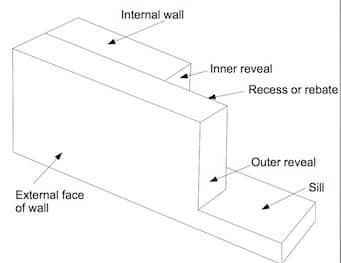
Traditional timber sliding sash windows are fitted into a reveal or recess in the brick work, both the sides & across the head (top of the window). There is NO recess at the bottom of the window, the hardwood sills are designed to sit on a flat surface.

When ordering a timber sash window, you will need the total window size so it is important to take into account the amount of window sitting hidden behind the reveal. We would recommend exposing approximately 30mm of the outer lining of the sash box on the top, left and right sides:


IMPORTANT – Check the internal width and height are larger than the external. It is also advisable to expose the overall size of the window by removing the internal architraves or linings, this can be a reassuring way to ensure that the windows are the correct size.


Sliding sash windows sitting in a standard opening.

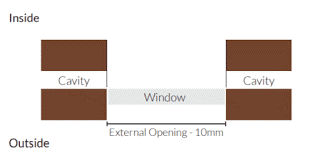
New build properties tend not to have a brick recess for sliding sash windows, this is because they are designed to take spiral balance sash windows which can be fitted in a more conventional way, so the usual tight brick to brick measurement less 10mm clearance is the way to go with this. Traditional timber sash windows can also be fitted in a flush opening without a sash reveal, this is usually known as ‘brick to brick fitting’. When fitted brick to brick the outside facing side of a sash box can be ‘dressed’ with some trim if you feel this is required.

Should you require any further assistance in measuring sliding sash windows or any other type of window, please do not hesitate in contacting one of us. Why not send us a few photos of your windows and we’ll talk you through it!

Timber Windows

Everything you need to know about Timber Bi-Fold Doors

Do you have a spectacular view of the city, a lovely garden or patio or even an outdoor landscape? Do you get the feeling that your existing doorways to these areas are simply not conveying the true impact of the view? Transform the look and feel of your home and incorporate aluminium bi-fold doors. Step outside of your comfort zone and consider bi fold doors. They provide one of the best ways that you can enjoy both outdoor and indoor living.

Bi-fold doors are one of the best ways to allow a homeowner to maximise a wide doorway. These special doors can be configured to integrate multiple door panels, typically two to eight, depending on the width of your doorway. Depending on the configuration they either stack to one or both sides.

Open plan living is an enviable feature of modern homes, and with their ability to be installed in very wide openings, a bi-fold door allows you to connect your living room with an outdoor entertaining area by essentially easily removing entire wall between the two spaces. This allows you to, in many cases, have your kitchen, living, dining, and outdoor areas all linked and open, offering a sensational aesthetic to your home. Even when they are closed, they offer a terrific amount of light and a near unobstructed view. This would be one of the most common ways to use a Bi-Fold Door.

How Do Timber Bi-fold Doors Work?

Interior and exterior bi-folding doors both use a simple track system that runs along the panels, which are connected on a train. The doors work by folding in on themselves and then gliding along the tracking system with the help of a series of wheels or a lower tracking system, which both lead to a smooth motion and quiet operation.

Bi-fold doors generally come in pairs, with two doors folding to one side or with four that part in the centre with two doors folding back to either side. Your bi-fold doors will usually come with all tracking and fittings already installed, can be opened either inwards or outwards. It’s this kind of flexibility that has led to their popularity in recent years amongst open-minded homeowners.

Most bi-fold doors will have anywhere between two and seven panels, all of which will be connected with hinges and attached to the roller track at the top or bottom of the door (or both). They are remarkably easy to operate, though it’s advised that you don’t get too carried away as if you use too much force you could end up pulling the doors out of the tracking system

In many homes, there are living and dining sections that next to each other but divided by a wall, or not divided at all. Sometimes, open plan isn’t always the best option, as you may wish to improve privacy or entertain two different groups at once. Installing bi-fold doors internally as a divided wall is a great way to make one large room into 2 without making the rooms seem boxed in or small. The glass panels keep noise transference to a minimum, but allow visibility into the adjoining room. This is great for families with small children for example, as you can have a dinner party in one room, with the kids table in the connecting room, where you have total visibility but can also enjoy some peace & quiet. Another example is if you work from home, where you could segment off a section of the living area during business hours, but then open it back up the rest of the time.

Above we talked about connecting two rooms, but by installing multiple bi-fold doors, you can turn your dining room into an outdoor entertaining area, simply by removing the walls around it. Depending on the layout of your home, you could install 2 or 3 bi-fold doors to make up the walls of the dining area, then when the weather’s beautiful, you can easily remove all the walls and dine alfresco!

If you’re lucky to have a bedroom that gazes upon the abundance of natural beauty, then why not take full advantage of it. This is one of the most beautiful ways to use Bi-fold doors. When it’s perfect weather, you can remove an entire wall to make the most of the sunshine and cool sea breeze, and even when it’s not the best conditions outside, you’ll have an unobstructed view of the reason you’re still in your PJ’s watching Netflix in bed.

Choosing the right bi-fold door for your renovation project can be both exciting and overwhelming. You’ve got a grand vision for your new space and a lot of questions about products, materials and styles. Although your contractor may make suggestions as to which material or brand to use, ultimately the final decision is up to you.

Bi-fold doors come in a range of sizes, glass types, colours and materials. One of the most important factors to consider when selecting the right bi-fold doors is which material to use for your project. When making your selection, you should note that not all materials are created equal. In fact, each of these materials has different properties which help to determine their price point.

Timber is one of the oldest building materials known to man. It is all natural, non-toxic and a high quality, timber doors can last many, many years. Timber products come from FSC certified forests which means that they are harvested from forests that are responsibly managed and farmed. Wood that comes from an FSC certified forest is replaced with new growth for future use.

Although more expensive than PVC, selecting timber for your bi-fold doors can greatly elevate the look of your project. it may also help to create an ambiance that is warm, welcoming and even rustic.

Timber Windows

Timber Windows the Environmentally Friendly Choice

Whether it’s cutting out single use plastics, switching to electric cars, or volunteering for beach clean-ups, we all play our part in helping to reduce pollution and in making our planet a healthier, more sustainable place to live. At Timber Windows Direct, we are no different, that is why we ensure all the timber that we use is FSC certified.

The Forest Stewardship Council, or FSC for short, are a non-profit organisation that is dedicated to promoting responsible and sustainable forestry. They certify forests all over the world to ensure they meet the highest environmental standards.

To be given FSC certification a forest must be managed in an environmentally appropriate, socially beneficial and economically viable manner. This is what makes the FSC system unique and ensures that a forest is well-managed from the protection of indigenous people’s rights to the methods of felling trees. Forests that meet these strict standards are given FSC certification and the timber allowed to carry the FSC label.

As well as our timber coming from environmentally friendly and sustainable sources, it also holds plenty of environmentally friendly properties itself. Wood has the best thermal insulation of any mainstream construction material, so that when you Timber Windows are paired with argon filled double glazed units, your home will stay warmer for longer, allowing you to keep the heating off for longer, saving both money, and the environment.

Timber windows also last up to 60 years, double the length of some other materials, and are repairable should any damage occur, meaning your investing into the future of the planet as well as the future of your home. When the time does eventually come to replace your windows, wood is fully reusable and uses much less energy to recycle in comparison to steel or aluminium.

Even after replacing your windows, you can rest assured knowing that you are making a positive impact on the planet!

A material that only needs sunlight and rainfall to grow? A material that uses 24 times less energy to produce than steel? Now that’s seems like the environmentally friendly choice for your windows…

Get in contact with Timber Windows Direct to obtain a quote.

Timber Windows

Should I choose Weights or Springs?

Traditionally, all sliding sash windows were operated by cast iron weights.

Weights

A sash box of 98mm is built into each side of the window, which houses the weights. This is then attached to a piece of sash cord, which travels over a pulley in the top corners of the window and attaches to the sash that will be sliding. The weight is selected to closely match the weight of the sash that is sliding, so that a perfect counterbalance is achieved and movement of the otherwise heavy window sash is as effortless as possible.

Spring Balances

The use of weights and pulleys in modern sliding sash windows has declined over recent years, and has largely been replaced by the spring balance system. The Springs work using similar principles of counterbalancing, but achieve it through the use of two springs inside a PVC tube. Spring balances are normally visible on the inside of the window. However, a thin cover paint matched to the window and allow total concealment is used in manufacturing. This makes the windows with spring balances almost perfectly reflect the style of those with weights and pulleys.

To aid in opening windows, as well as hold windows open and closed, spiral balances utilize a spiral-shaped rod within a tube. This rod connects to a spring, which is what provides the tension for supporting the sash. The tension is adjusted by being wound to match the sash it is supporting.

Should I choose weights or springs?

Both systems have advantages and disadvantages, and the right system for you will depend on your location, the reveals in the window opening and the desired impact you are hoping for. Weight and pulley systems have an unmistakeable historic feel, they fit neatly behind traditional reveals, the systems last longer (many decades) and repair only requires fitting a new sash cord. Spiral balances systems fit neatly into all building/reveal profiles without reducing light.

If you would like a quote for sash windows with Weights or springs please get in touch.

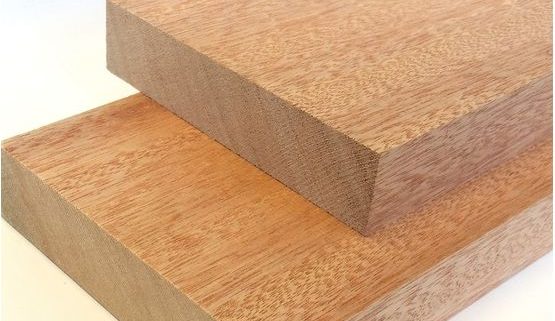
Timber Windows - Meranti Hardwood

Meranti

Meranti is a versatile hardwood timber suited to a range of projects where aesthetic beauty is a priority. 

Whether your latest creation looks like a window frame, moulding, piece of furniture or general joinery job, this straight-grain wood is a hardwearing and easy to work with choice that can be machined, sanded and finished beautifully.

With straight-grain consistency, meranti trees produce long, straight pieces of lumber. It’s used for moulding, structure, furniture, cabinets, window and doors, and veneers for plywood. Meranti is one of the more affordable hardwoods due in part to numerous subspecies, prolific growing characteristics and availability.

Red meranti is not a tree species but a loose wood term that is used for lumber from trees of the shorea genus. In total there are over 190 shorea tree species and all part of the dipterocarpaceae family. These trees grow in the tropical rainforests all throughout Asia and are famous for their hardwood properties. Red meranti is a classification term based on wood properties like colour, hardness, density and weight. Trees like shorea leprosula and shorea ovalis produce top quality red meranti!

Red meranti is one of the most used and traded tropical hardwoods. It is difficult to work with hand tools because of its hardness and high density. Pre drilling is always advised when screws or nails are used.

Red meranti will absorb paint quick and multiple layers are often not sufficient. It is therefore recommended to use special oils that soak into the wood. This protects it from the elements and gives it nice colorations. Red meranti can be glued well but due to its high density it is advised to use special heavy duty glue.

Hardwoods generally come from broad-leafed, deciduous trees such as oak, beech and mahogany. The thing that defines a hardwood from a softwood is the presence of special pores in the cellular structure of the wood itself. Their complex cellular structure gives them a great dimensional stability and durability. Hardwoods are used in everything from musical instruments, boats, tools and of course, windows.

Why not request a hardwood window quote from Timber Windows Direct?

Timber windows direct - Obscured

What does obscure glass mean?

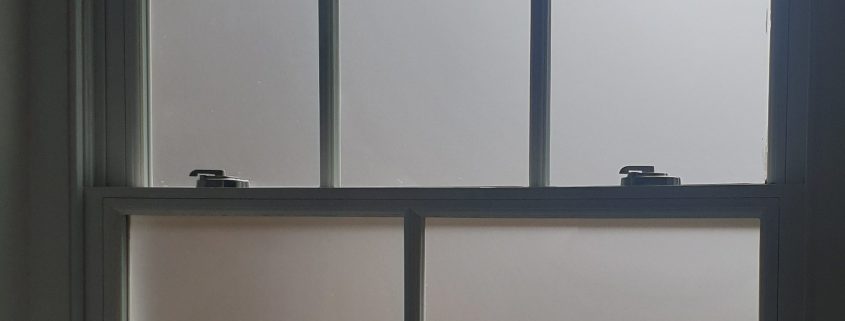
Obscure glass can be any one of dozens of types of glass, each set apart from ordinary glass due to their partial lack of transparency. Obscure glass of any sort distorts or obscures the items on the other side of the glass, whether this is by using textures or patterns. Obscure glass ranges from only offering very slight distortion to completely hiding the items in question from view or revealing only silhouettes.

Perhaps our most common sort of obscure glass is float mat glass, which has been chemically treated to stop it from being transparent, while still allowing large amounts of light through. Immediately distinctive with its smooth, frosted appearance, satin glass is a versatile and popular form of obscure glass – though many, many more types exist.

Frosted glass is produced by the sandblasting or acid etching of clear sheet glass. This creates a pitted surface on one side of the glass pane and has the effect of rendering the glass translucent by scattering the light which passes through, thus blurring images while still transmitting light

The increased use of glass as a modern decorative material leads to the necessity of satisfying the specific requirements which designers and architects place before it. Thus, ornamental glass should let the light come inside a room enhancing the warmth and depth of its features while at the same time preserving its privacy. The ornamental glass offered by Timber Windows Direct boasts the highest quality and a unique style to match.

Timber Windows

Timber Windows with Argon

Why Are Double-Glazed Windows Filled with Argon?

When it comes to energy efficiency, windows are notoriously vulnerable.  Given a chance, they’ll drain the heat out of your home and into the great outdoors, far faster than brickwork and doors.

Thankfully, certain types of Timber window offer considerable protection against this loss of heat.  Of these, the most widespread is Double Glazing, which features in a majority of homes in the United Kingdom.  It works by placing two panes of glass parallel to one another in the frame – an arrangement which helps to impede the flow of heat from one side of the Timber window to the other.

Inert gases like argon, krypton and xenon are more often used by manufacturers today.  Each offers considerable improvements in thermal efficiency and noise reduction.

What is Argon?

‘The chemical element of atomic number 18, an inert gaseous element of the noble gas group. Argon is the commonest noble gas, making up nearly one per cent of the earth’s atmosphere.’

It is therefore amazing that it was not discovered until 1894, the technology was simply not available before then. Now we do know it exists it is very useful, Argon is non-reactive so it is a perfect element when really high temperatures are required such as with welding, when you look in a light bulb it looks like there’s nothing there, but in fact you are looking at Argon it is non-toxic, colourless, odourless and chemically inert.

Argon is heavier than air, and so provides superior insulation and sound-proofing characteristics.  It’s also far more resistant to the formation of condensation, and will corrode the surrounding window far less than its equivalents – particularly at the bottom of the window, where condensation tends to start forming.

If you’re looking to upgrade your existing windows, an argon filled double-glazed replacement makes a sensible choice.

http://www.timberwindows-direct.co.uk